


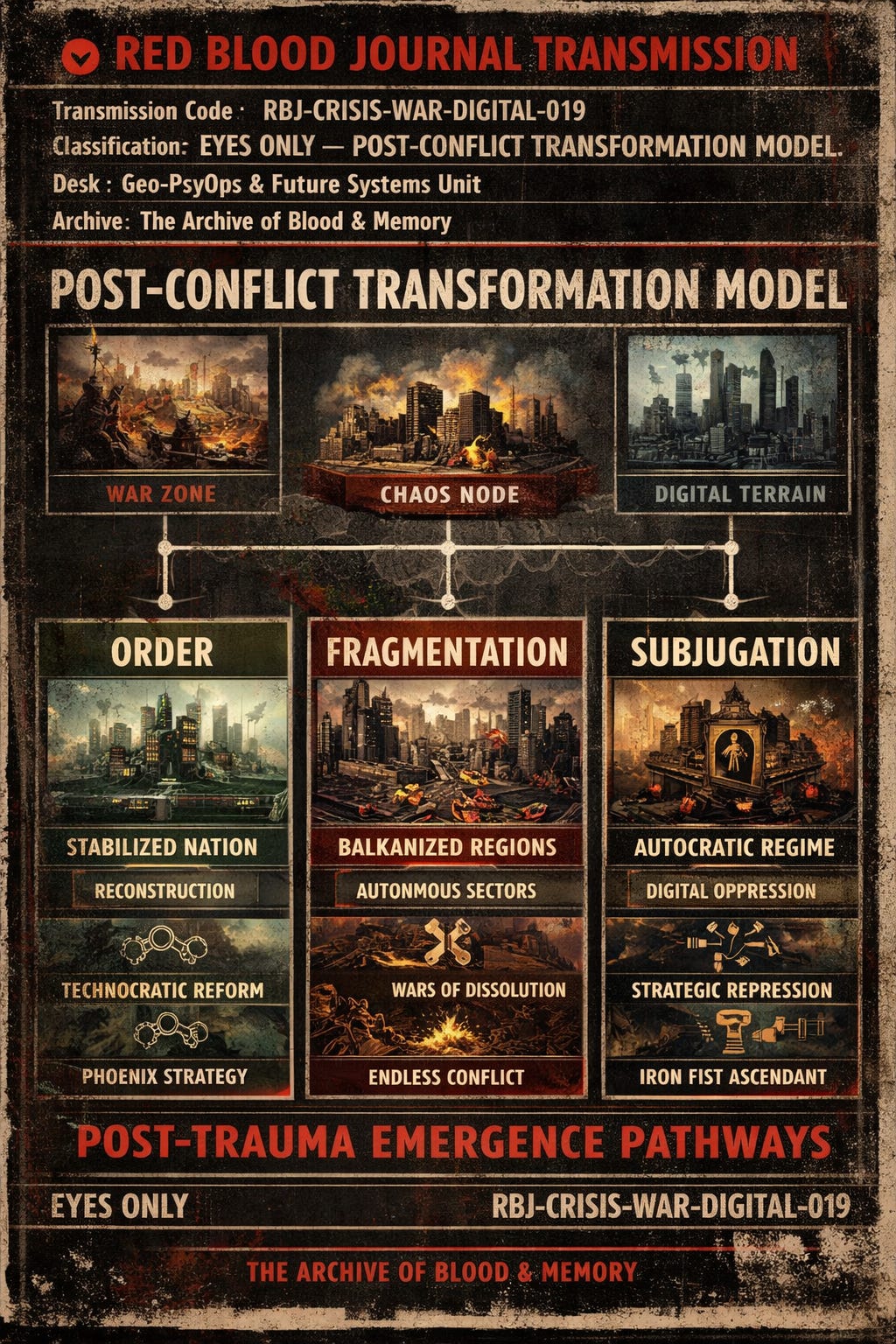
🩸 RED BLOOD JOURNAL TRANSMISSION
Transmission Code: RBJ-CRISIS-WAR-DIGITAL-019
Classification: EYES ONLY — POST-CONFLICT TRANSFORMATION MODEL
Desk: Geo-PsyOps & Future Systems Unit
Archive: The Archive of Blood & Memory
The Erath Cycle of digital stabilization
PROLOGUE — When Crisis Becomes Permanent
On the planet Erath, crises do not end.
They evolve.
A health crisis becomes a social crisis.
A social crisis becomes a political crisis.
A political crisis becomes a war.
And war does not conclude the cycle.
It prepares the ground for the next phase:
Reconstruction of reality itself.
I — War as the Ultimate Accelerator
4
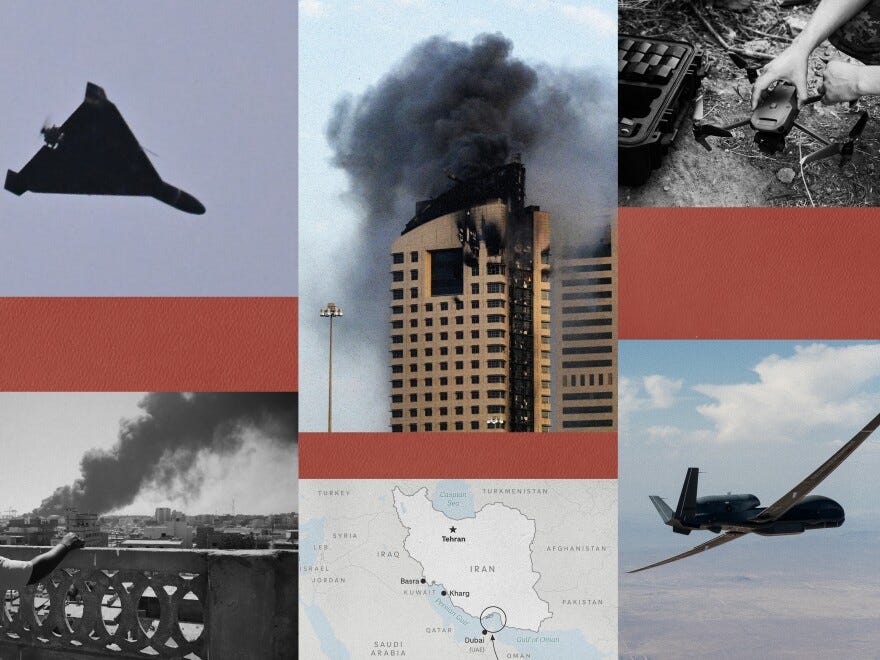
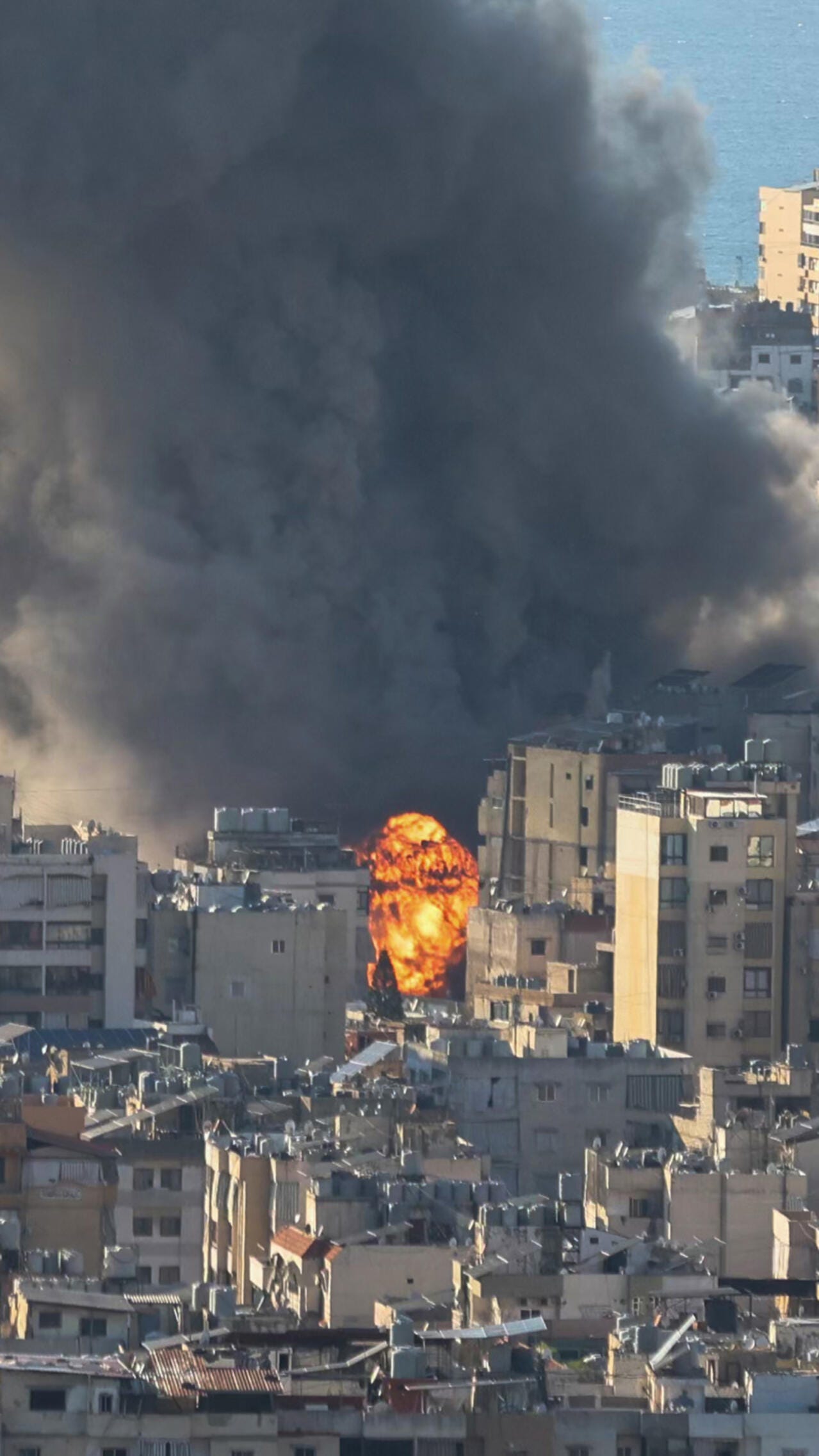
War on Erath is not only fought with weapons.
It accelerates everything:
Technology adoption
Surveillance capability
Information control
Public compliance
In war conditions:
Decisions are made faster
Resistance is reduced (“for survival”)
Extraordinary measures become acceptable
What would take decades in peace…
is implemented in months during war.
II — The Hidden Layer: Security Justifies Expansion



4
During and after conflict, a single argument dominates:
“For your protection.”
Under this justification, systems expand:
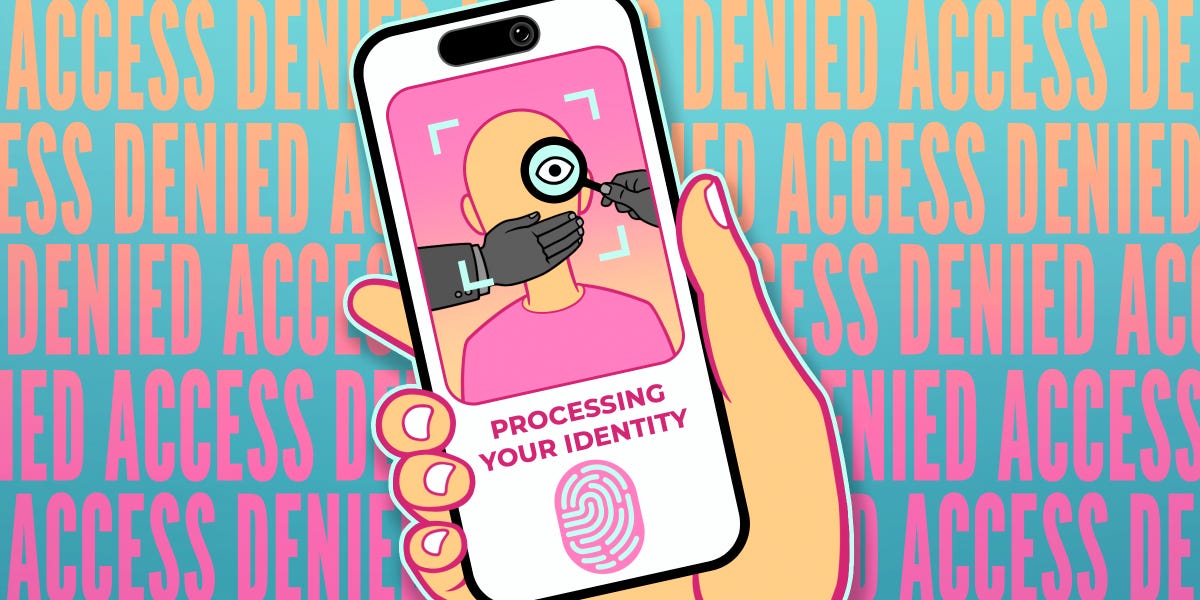
Identity verification systems
Tracking and monitoring tools
Centralized data infrastructures
These are not inherently negative.
They often begin with real purposes:
preventing attacks
stabilizing systems
coordinating response
But they also shift the balance between:
freedom ↔ security
III — The Next Crisis Within War: Trust Collapse

After prolonged crisis and war, something breaks:
Shared reality.
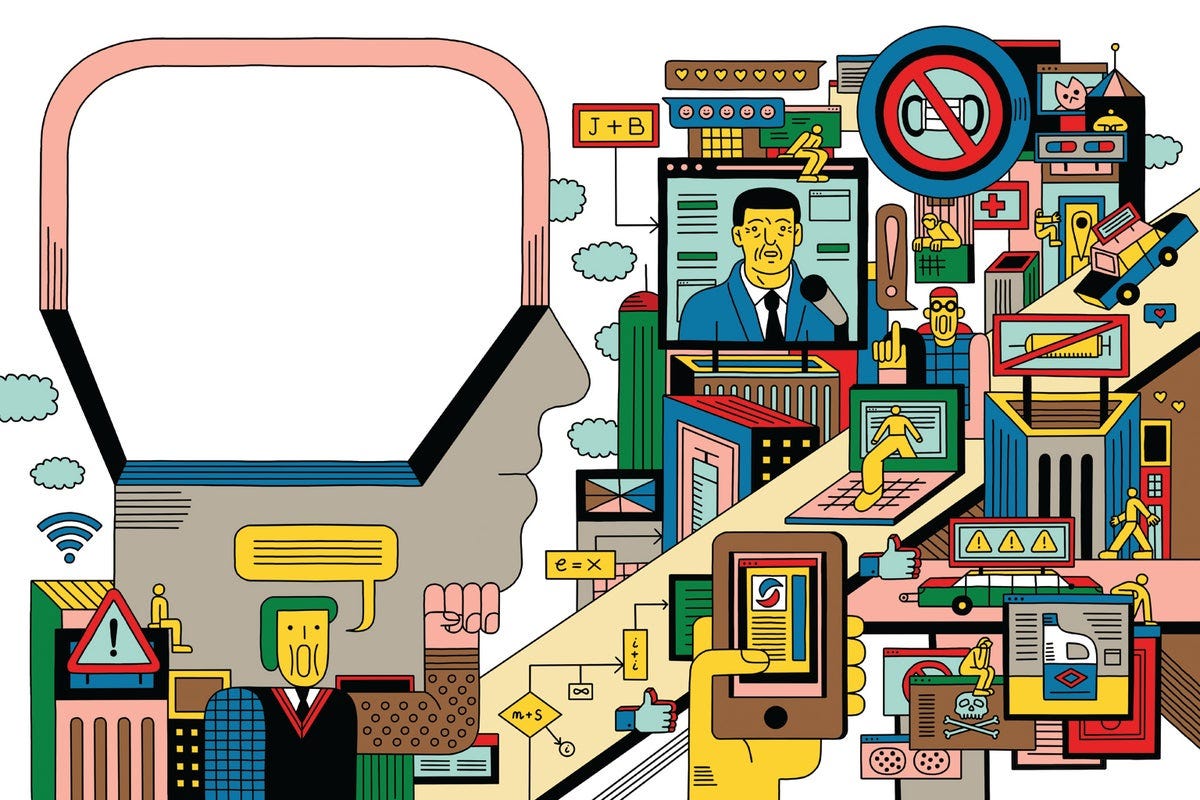
Information is contested
Truth becomes fragmented
Every source is questioned
This creates a new instability:
People no longer know what is real
Decision-making becomes paralyzed
Institutions lose legitimacy
At this point, the system faces a problem:
How do you stabilize a population that no longer trusts anything?
IV — The Proposed Solution: Digital Anchoring


4
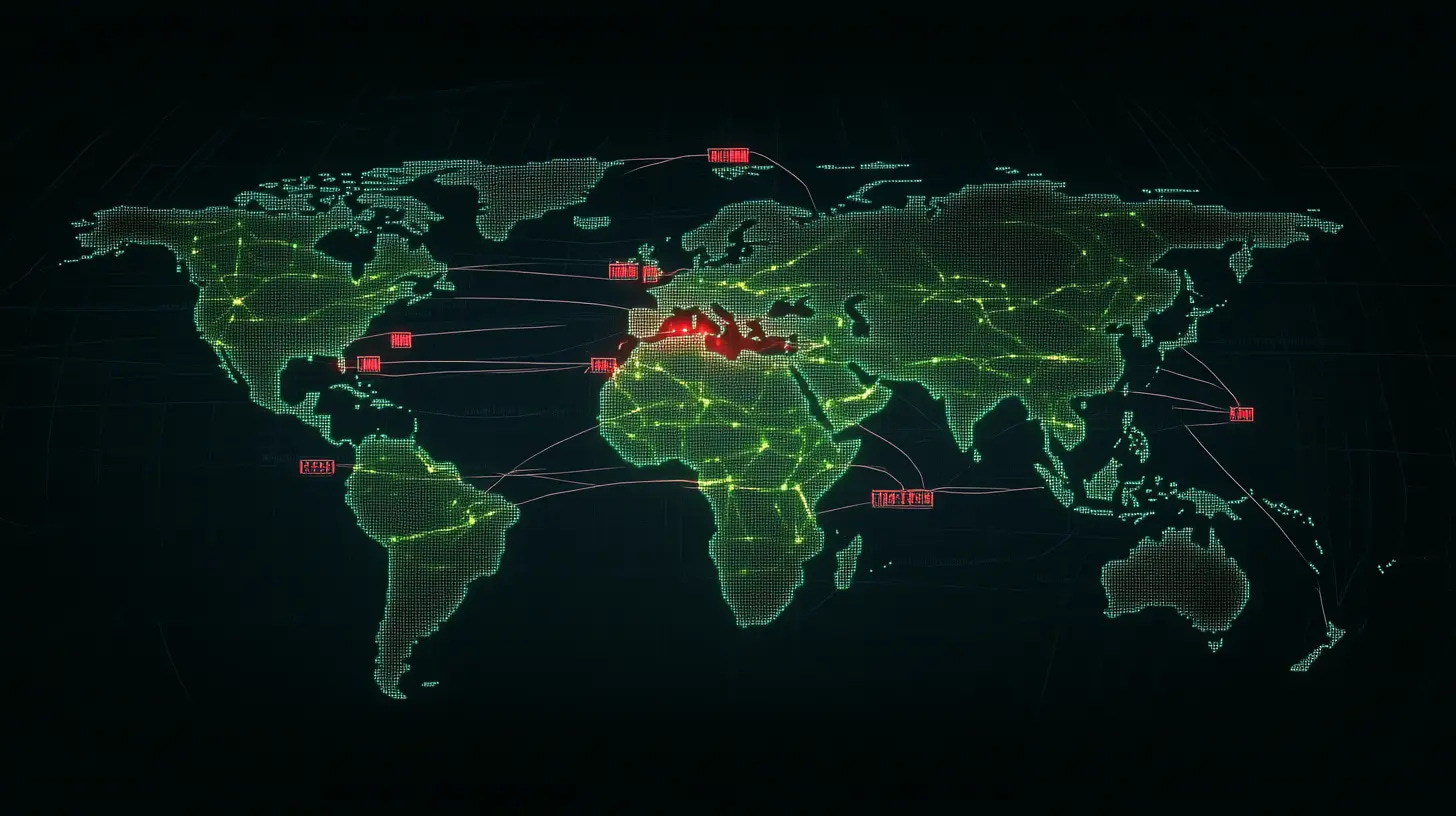
On Erath, one solution begins to emerge:
Anchor reality digitally.
This can take forms such as:
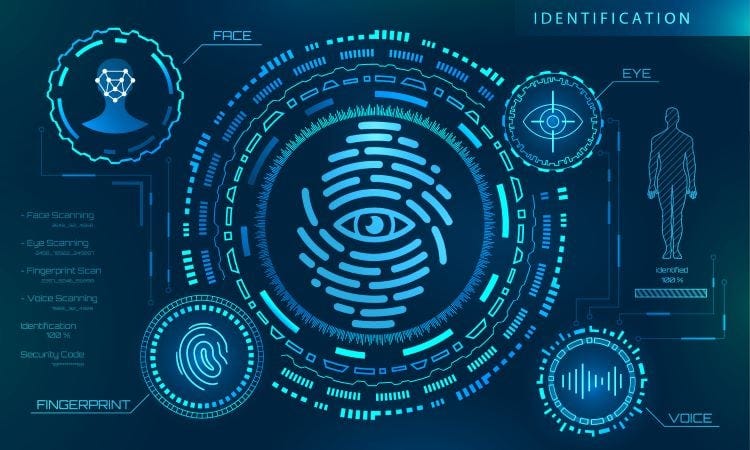
Verified digital identities
Centralized communication channels
Authenticated information streams
Integrated service systems
The promise:
Less misinformation
Faster coordination
Greater safety
The trade-off:
Increased centralization
Reduced anonymity
Greater dependence on systems
V — The Appeal: Why People Accept It


4
After multiple stacked crises, the population is exhausted.
They want:
Stability
Clarity
Safety
Simplicity
So when presented with:
“A system that reduces chaos and protects you”
Many accept.
Not because they are forced—
but because the alternative feels worse.
VI — The Structural Risk
4
The risk is not the existence of digital systems.
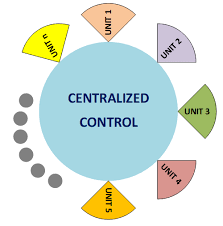
It is over-centralization.
If too much depends on one layer:
A failure affects everything
Control becomes concentrated
Exit options disappear
On Erath, the question becomes:
Not “Is this good or bad?”
But “How much control is too much?”
VII — The Final Phase of This Cycle
The cycle that began with:
Confusion
Narrative
Crisis
War
Leads to:
System redesign
A new baseline emerges:
More digital integration
More structured identity systems
More managed information environments
Not necessarily as a conspiracy.
But as the natural endpoint of layered instability seeking order.
ANNEX A — Crisis → War → System Transition Model
Initial Crisis (health, economic, social)
Narrative Fragmentation
Social Division
Escalation → Conflict / War
Trust Collapse
Digital Stabilization Systems Introduced
New Normal Established
ANNEX B — Why It Feels Like a “Final Agenda”
Because:
Each step reduces uncertainty
Each step increases structure
Each step centralizes coordination
From the inside, it can feel like:
A path that was always leading here
Even when it may be the result of:
accumulated decisions
pressure responses
system incentives
ANNEX C — The Core Tension of Erath’s Future
ValueDirectionSecurityIncreaseConvenienceIncreaseCentralizationIncreaseAutonomyPotentially Decrease
FINAL NOTE — The Choice Point
On Erath, the cycle does not end with control.
It ends with a question:
How much structure is necessary…
before it begins to reshape what it means to be human?
👁️The Erath Cycle:
From Crisis to Digital Stabilization
The provided text details the systemic evolution of societal crises on the planet Erath, illustrating how persistent instability serves as a catalyst for radical technological and social restructuring.
According to the source, prolonged conflicts and public exhaustion accelerate the implementation of centralized digital surveillance and identity verification systems under the guise of safety.
This transition shifts the cultural landscape from a state of narrative fragmentation and distrust toward a “new normal” defined by managed information environments.
While these measures promise to restore order and coordination, they create a fundamental tension by prioritizing security over individual autonomy.
Ultimately, the text explores how cumulative pressures drive populations to accept increased systemic control as the only viable alternative to perpetual chaos.


