


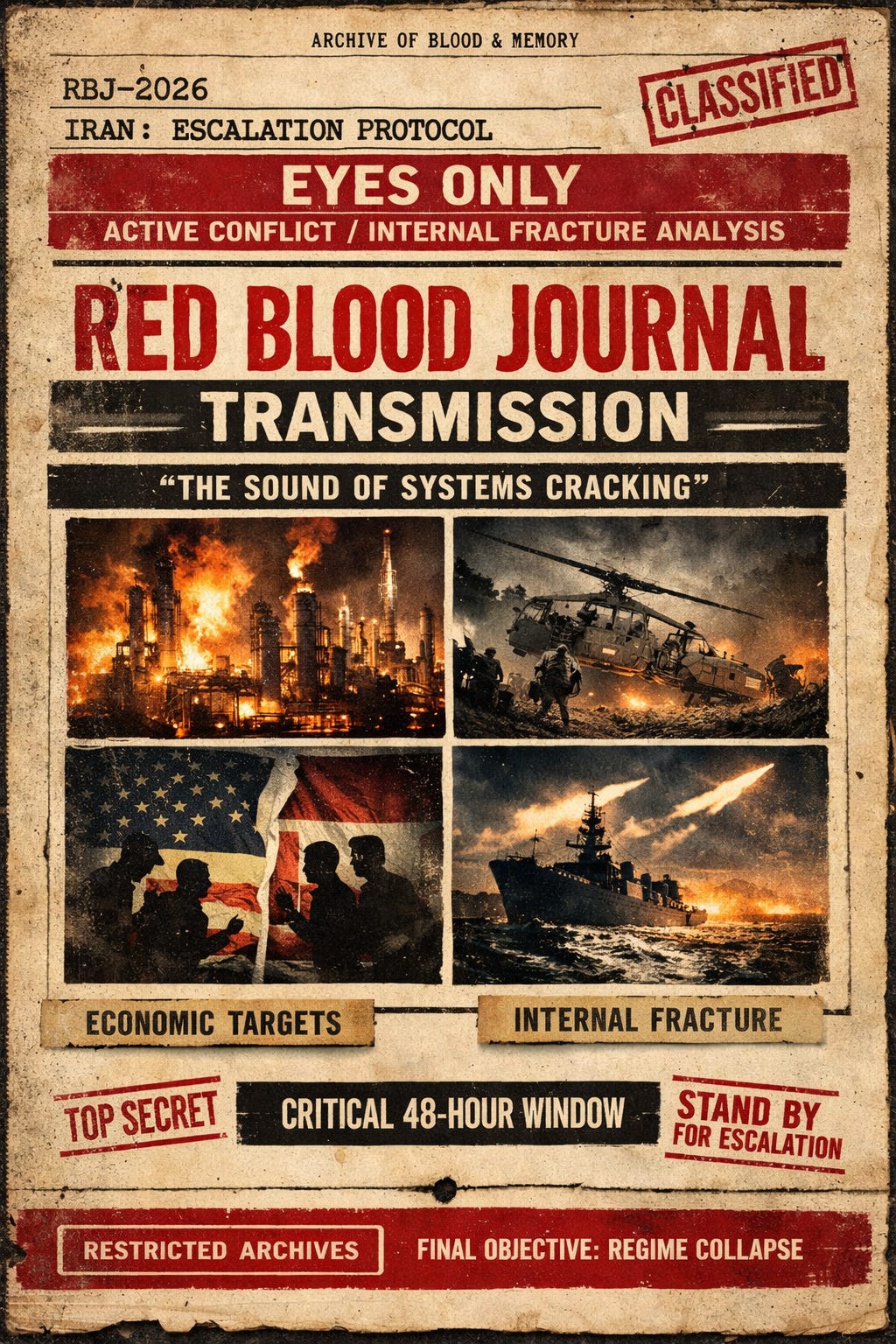
🩸 RED BLOOD JOURNAL TRANSMISSION
Archive: The Archive of Blood & Memory
Transmission Code: RBJ-2026-IRAN-ESCALATION-PROTOCOL - 0976
Classification: EYES ONLY — ACTIVE CONFLICT / INTERNAL FRACTURE ANALYSIS
Desk: Geo-PsyOps & War Systems Unit
Status: LIVE TRANSMISSION — HIGH VOLATILITY
PROLOGUE — THE SOUND OF SYSTEMS CRACKING
Across the surface of Planet Erath, the illusion of controlled escalation is dissolving.
Bombs fall not only on infrastructure—but on narratives.
Pilots go missing. Towers go dark. Cities flicker between signal and silence.
What appears as war between nations reveals something deeper:
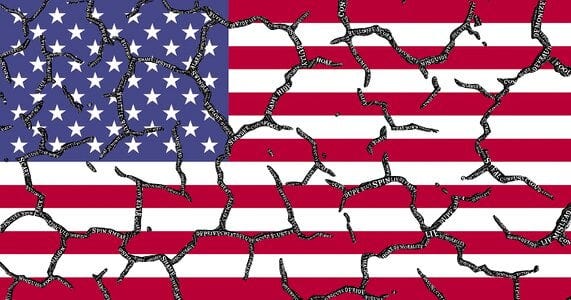
A system under simultaneous external pressure and internal fracture.
This is no longer a conventional conflict.
This is a stress test of power architecture itself.
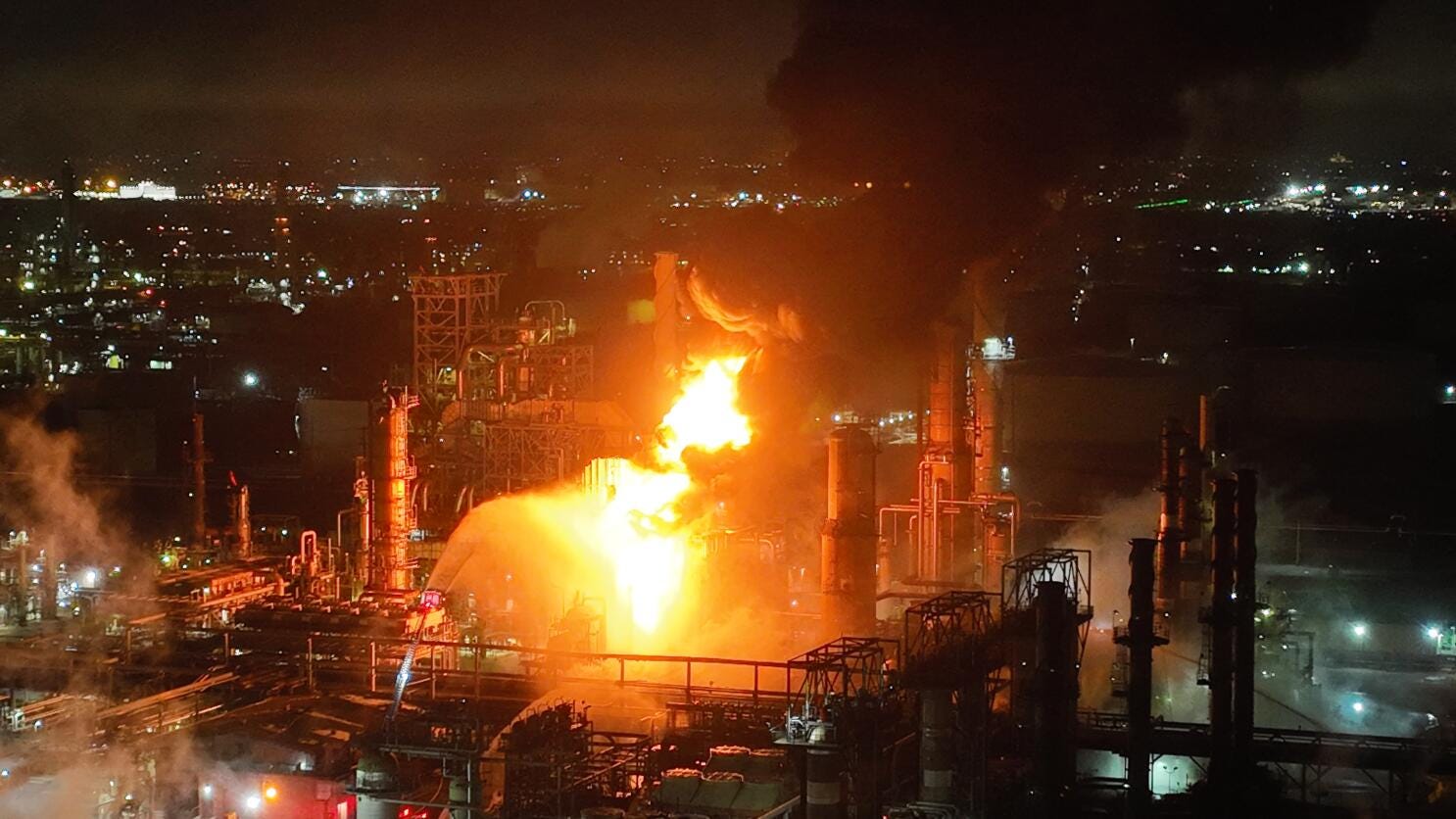
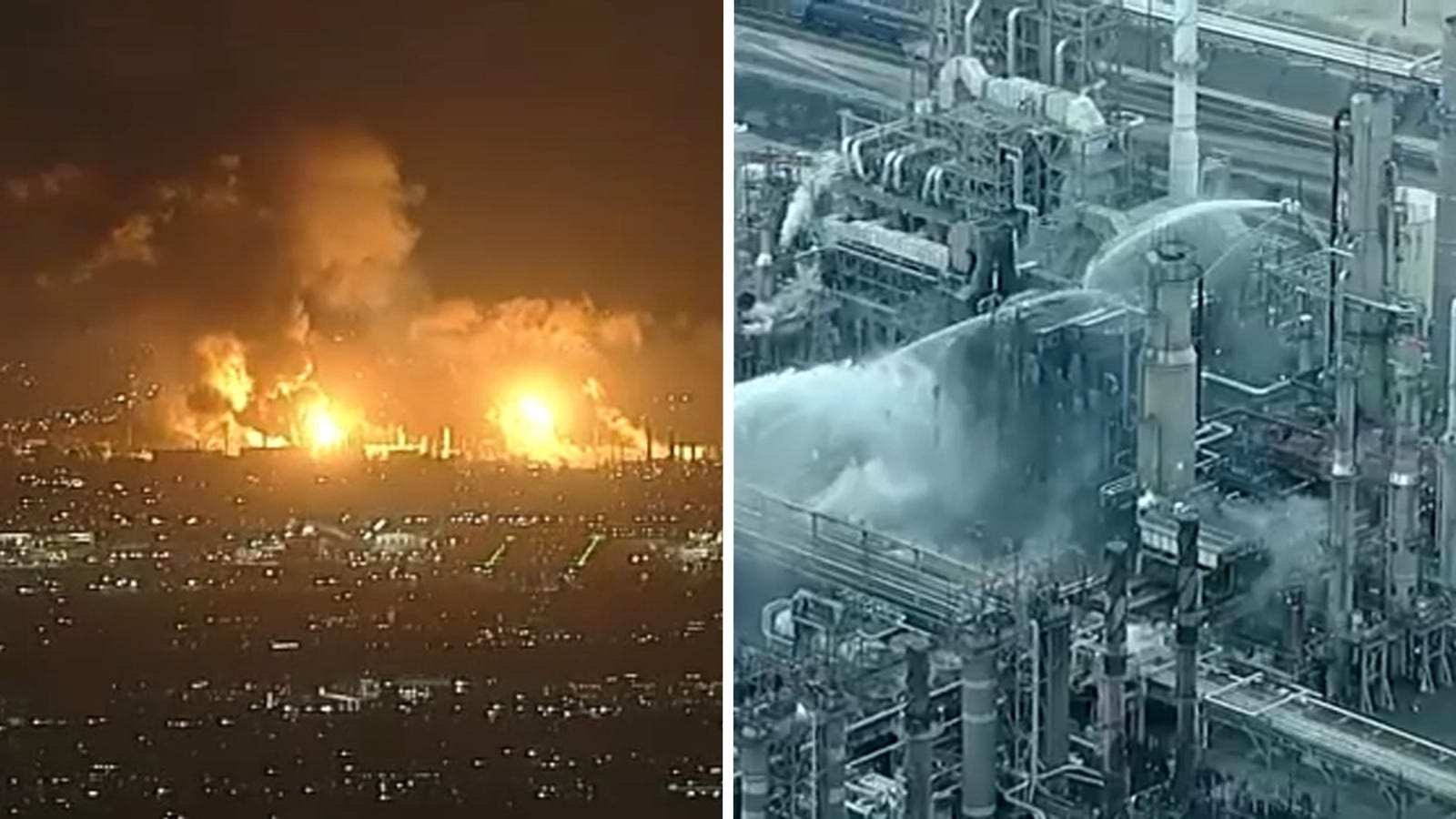
SECTION I — THE STRIKE PATTERN: ECONOMIC ARTERIES TARGETED

4
The pattern is precise—not random.
Steel. Petrochemicals. Energy nodes.
These are not just facilities.
They are cash engines—the bloodstream of state continuity.
Observed targeting logic:
Destroy revenue → weaken operational capacity
Disrupt industry → destabilize internal control
Signal vulnerability → trigger psychological collapse
The statement “70% of steel capacity destroyed” is not just damage assessment.
It is economic warfare translated into numbers.
SECTION II — THE MISSING PILOT: SIGNAL OR SMOKESCREEN
4
A downed helicopter.
One pilot recovered. One missing.
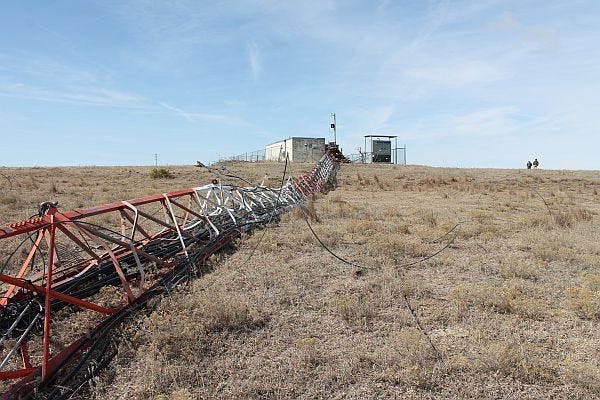
Communications towers destroyed nearby.
This raises a critical question inside the Erath framework:
Is the pilot the objective—or the cover story?
Possible interpretations:
Literal: Search-and-rescue under fire
Operational: Justification for localized ground insertion
Strategic: Masking a deeper mission (e.g., asset retrieval, intelligence, or material extraction)
In Erath conflicts, the visible story is rarely the full story.
SECTION III — THE DEADLOCK: TERMS THAT CANNOT MEET
Negotiation frameworks exist—but they do not intersect.
Side A demands:
Nuclear dismantlement
Full inspection
Missile reduction
Proxy disengagement
Side B demands:
War termination
Guarantees of non-aggression
Compensation
Sovereign control over strategic waterways
This is not negotiation.
This is parallel reality diplomacy.
Agreement probability approaches zero because:
Each side’s demands negate the other’s survival logic
Concessions equal structural surrender
SECTION IV — THE INTERNAL FRACTURE: POWER WITHOUT CENTER
4
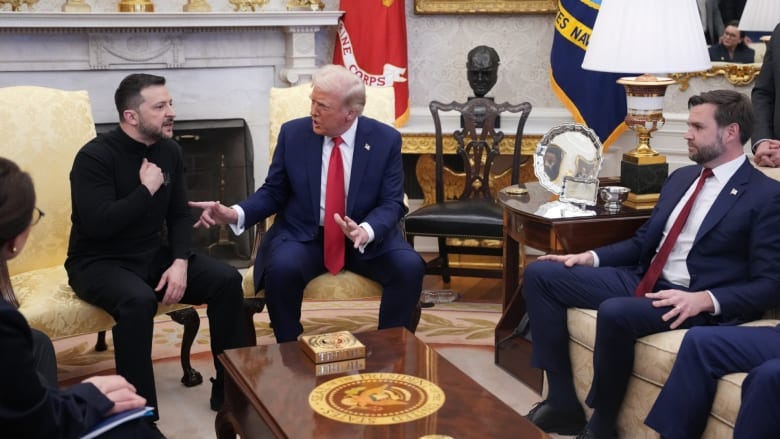
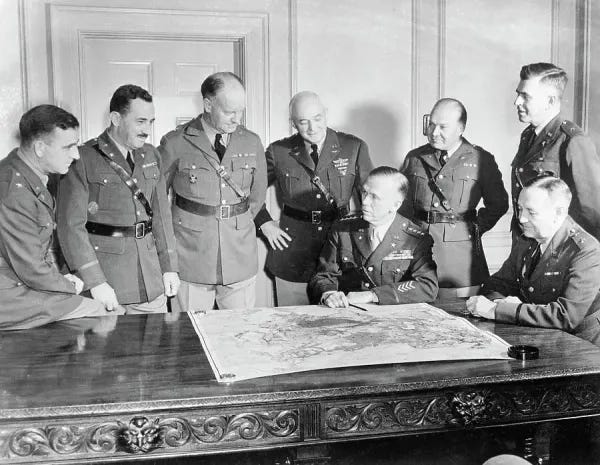
The most critical battlefield is not external.
It is internal.
Two dominant currents emerge:
Continuation Bloc: War must proceed
Negotiation Bloc: War must end through agreement
This is not ideological disagreement.
It is a fight for post-conflict control.
Key dynamics:
Messaging to external powers becomes indirect signaling
Public narratives mask internal positioning
External actors may exploit fractures to reshape leadership
When central authority weakens, latent rivalries surface violently.
SECTION V — ESCALATION WINDOW: THE 48-HOUR EDGE
4
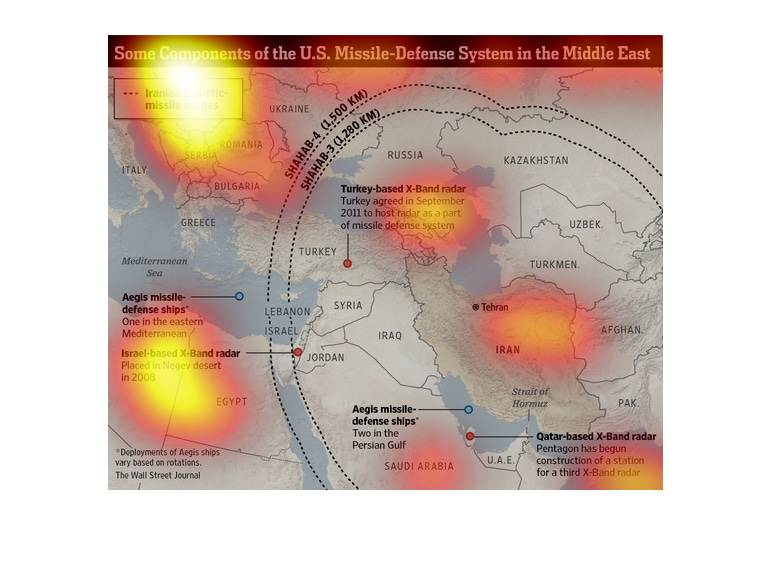
A deadline approaches.
48 hours.
This transforms the environment into a compressed decision window.
Possible outcomes within this window:
Mass Strike Expansion
Infrastructure + command targets
Leadership Targeting Phase
High psychological impact
Controlled De-escalation Signal
Low probability given current trajectory
The presence of:
Cruise missile mobilization
Leadership monitoring at highest levels
Public signaling from decision-makers
…indicates readiness, not restraint.
SECTION VI — THE NARRATIVE ENGINE: WHAT THE PUBLIC IS TOLD
Inside Erath, narratives serve as operational tools.
Key competing narratives:
War for defense
War for liberation
War as staged prolongation
Each narrative:
Directs emotional alignment
Shapes perception of legitimacy
Determines tolerance for destruction
The battlefield of perception runs parallel to the battlefield of firepower.
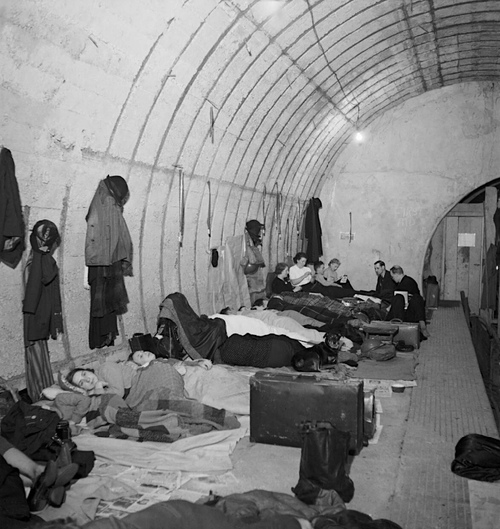
SECTION VII — THE CIVILIAN FIELD: STRESS, SIGNAL LOSS, UNCERTAINTY


4
The civilian layer experiences the war differently:
Information fragmentation
Communication disruption
Psychological saturation
Uncertainty becomes the dominant condition.
Not knowing:
What was hit
Who was targeted
What comes next
…is itself a weaponized state.
SECTION VIII — THE CORE DIRECTIVE: FOCUS AS CONTROL
Within the transmission, a repeated directive emerges:
Maintain focus on the primary objective.
Do not allow secondary issues to fragment attention.
In Erath logic, this represents:
Narrative consolidation strategy
Goal anchoring under chaos
Resistance to informational diversion
Whether one agrees or not is secondary.
The function is clear:
Control the direction of collective attention.
ANNEX A — THE STRIKE LOGIC MODEL
Economic Core → Infrastructure → Revenue Collapse → System Weakening
ANNEX B — THE POWER FRACTURE MODEL
Central Authority Weakens → Factions Surface → External Leverage Increases → Internal Conflict Intensifies
ANNEX C — THE ESCALATION LOOP
Deadline → Pressure → Strike → Reaction → Wider Conflict → New Deadline
FINAL NOTE — THE SYSTEM UNDER TEST
This is no longer a question of who strikes harder.
It is a question of:
Which structure collapses first
Which narrative holds
Which internal fracture becomes irreversible
On Planet Erath, wars are rarely about endings.
They are about transitions.
And this system is now entering one.
💥System Fracture:
The Erath Escalation Protocol
This text details an analytical report regarding an intense geopolitical crisis on the planet Erath, where traditional warfare has evolved into a total systemic stress test.
The conflict targets economic arteries like energy and steel to trigger internal collapse while utilizing narrative manipulation to control public perception.
Strategic deadlock persists because the opposing factions hold irreconcilable demands that threaten each side’s fundamental survival. Within this chaos, internal leadership fractures emerge, creating a power vacuum that external forces may eventually exploit.
As a 48-hour escalation window approaches, the situation shifts from a standard military engagement toward a permanent structural transition of power.
This report highlights that the ultimate victor will be whichever entity can maintain narrative cohesion and structural integrity longest.


