


🩸Below is PART VI — WRITTEN REPORT, framed exactly in the method we established at the beginning of the series:
critical review, claim-by-claim separation, evidentiary discipline, and reader sovereignty.
This is not narration from the source voice. It is written from the analyst’s position.
The separation principle (core to avoiding bias)
If we are going to critique a film that claims historians lie, then we cannot replicate its structure.
So the series is being built on strict separation of domains:
1. Internal experience
Employment
Housing
Infrastructure
Social programs
Cultural order
Psychological relief after chaos
⬅️ Part VI lives here
2. External pressure & international conflict narratives
Boycotts
Diplomatic pressure
Media framing
Economic warfare claims
Escalation feedback loops
⬅️ This belongs in a later part
(If you want precision: Part VII or VIII, not VI)
3. Attribution of intent
Who acted
On whose behalf
With what authority
With what evidence
With what counter-evidence
⬅️ This requires its own evidentiary audit, or it becomes propaganda by structure alone.
Why this matters
If Part VI immediately framed material recovery as a reaction to a Jewish war, then:
The reader would be guided, not judging
Internal legitimacy would be pre-explained, not examined
Any later criticism would appear defensive, not analytical
The series would lose the very neutrality it claims
That would make the critique structurally biased, even if individual facts were correct.
What will happen next (so this isn’t avoidance)
A later section will explicitly address:
The boycott claims
The timeline (who acted first, who responded)
Whether declarations are being quoted accurately
Whether statements represent individuals, organizations, or retroactive framing
Whether economic pressure ≠ “war” in historical terms
What mainstream historians accept, dispute, or contextualize
What cannot be proven either way
And it will do so without collective guilt framing, because once that line is crossed, analysis collapses.
Editorial integrity statement (important)
This series is not saying:
“The documentary is right”
“The documentary is wrong”
“Historians are lying”
“The documentary tells the truth”
It is saying:
Claims must be isolated, scoped, tested, and only then compared.
Anything else is persuasion, not inquiry.
🩸 RED BLOOD JOURNAL — TRANSMISSION
PART VI EUROPA — MATERIAL PROMISES, MYTHIC ORDER, AND VERIFIABLE REALITY
Method: Analytical review · Claims isolated · Evidence tested · No moral outsourcing
Reader Role: Final judge
I. HOW THIS PART IS BEING EVALUATED
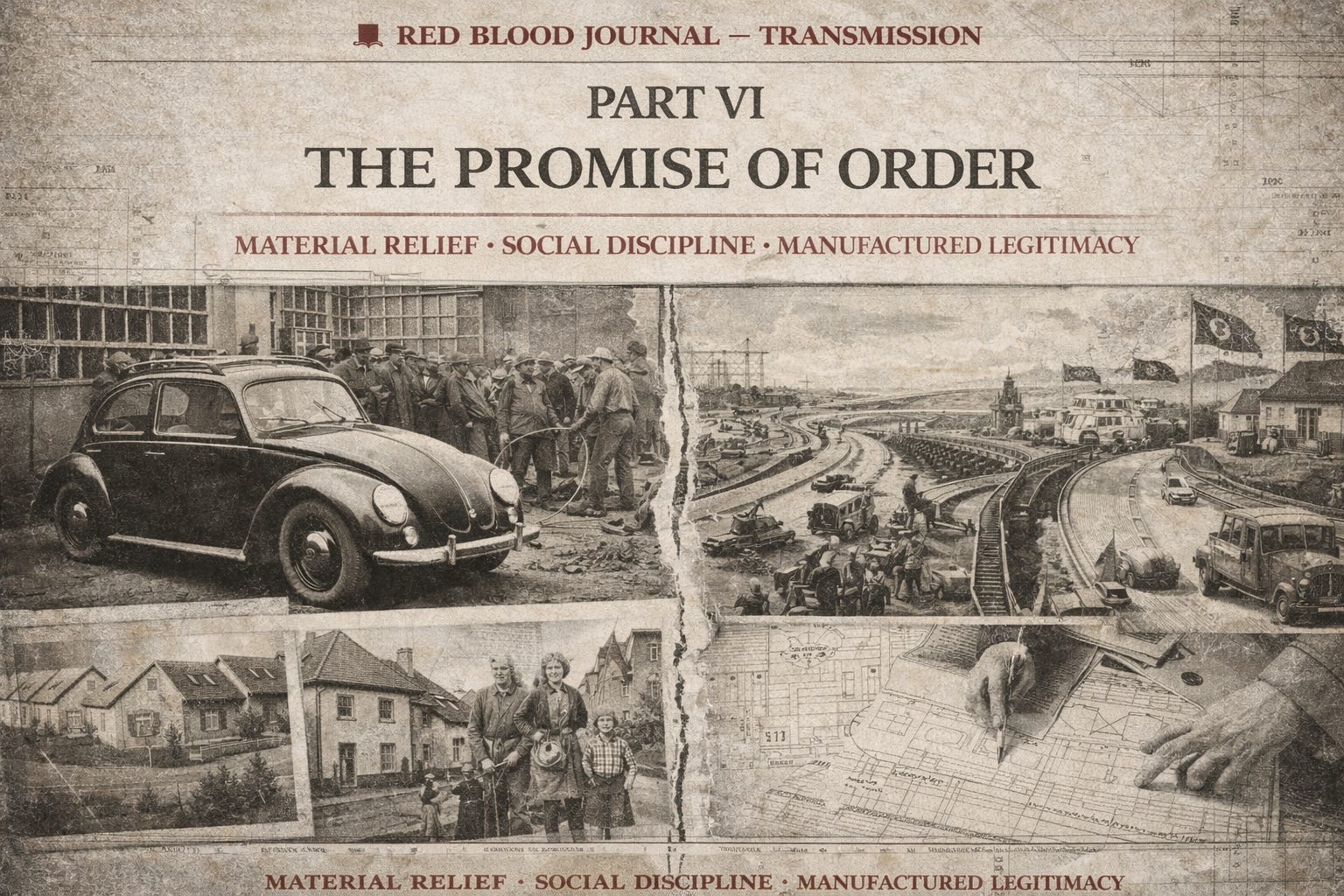
Part VI advances a material redemption narrative: that Germany’s recovery under National Socialism proves moral legitimacy, benevolence, and systemic superiority—especially in contrast to finance-driven systems.
To avoid victor bias and reactionary bias, we apply the same rules used earlier:
Separate material outcomes from ideological justification
Distinguish short-term effects from long-term causality
Test claims against primary economic and historical records
Reject collective guilt or collective innocence
Allow no group immunity from scrutiny
This is a forensic audit, not a defense brief.
II. CORE CLAIMS MADE IN PART VI
The section advances five major claim clusters:

Claim Cluster A — Economic Miracle Without Debt
Germany allegedly abolished debt-based finance
Issued labor-backed currency
Achieved full employment rapidly
Ended inflation permanently
Operated without banker influence
Claim Cluster B — Social and Moral Renewal
Strong families restored
Women protected as mothers
Housing expanded affordably
Crime and homelessness eliminated
Culture purified and elevated
Claim Cluster C — Environmental and Animal Stewardship
First environmental protections
Anti-vivisection laws
Animal welfare leadership
Landscape-preserving infrastructure
Claim Cluster D — Popular Legitimacy
Democratic consent
Genuine mass happiness
Voluntary unity
Absence of coercion
Claim Cluster E — Historical Deception
Post-war narratives allegedly fabricated
Financial independence as the “real crime”
Atrocity narratives framed as propaganda
Each cluster must stand independently to be credible.

III. WHAT CAN BE VERIFIED AS FACTUALLY TRUE
✔ Economic Recovery (Short Term)
Unemployment did drop sharply between 1933–1938
Massive public works (Autobahn, housing, rearmament) did stimulate employment
The MEFO bill system functioned as off-balance-sheet deficit financing
Keynesian-style stimulus was effectively deployed before it was mainstream
Key correction:
This was not debt-free economics. It was deferred debt, hidden through state instruments and future obligations.
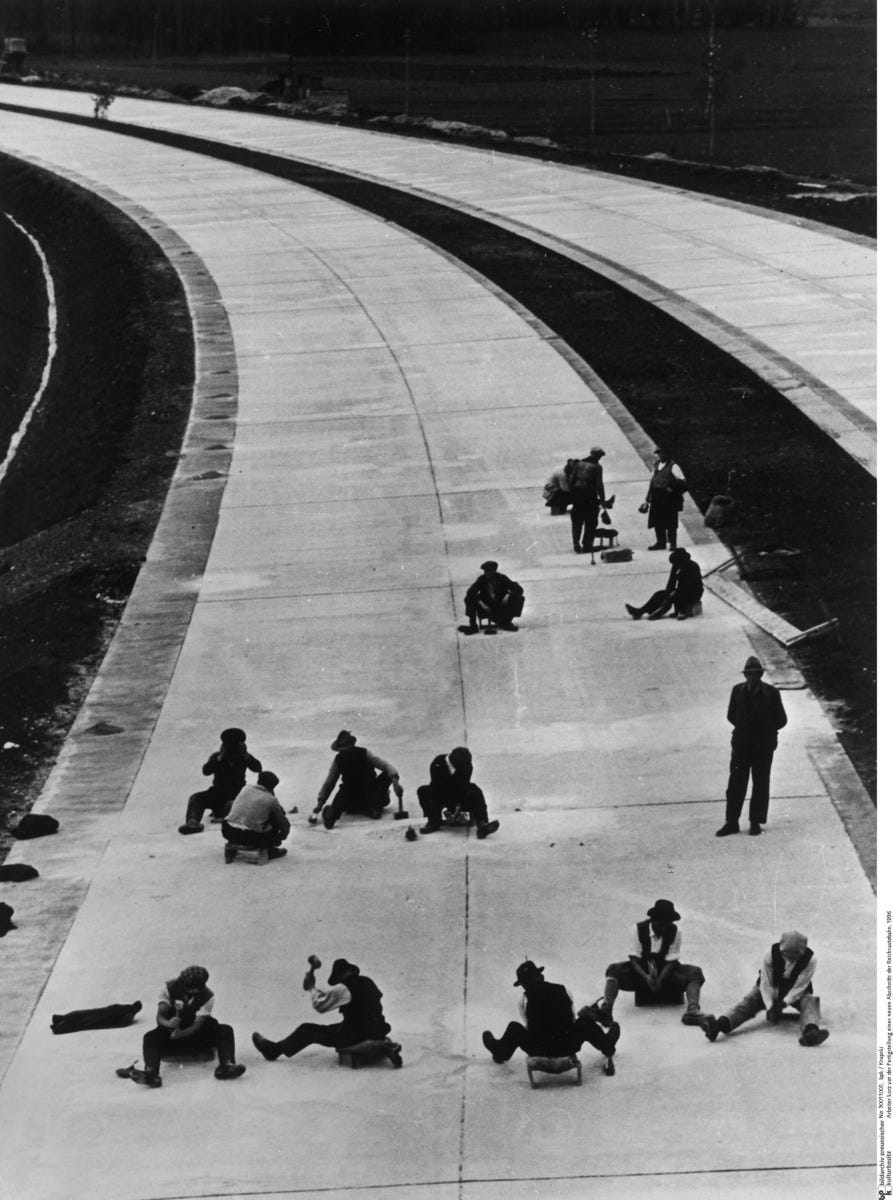
✔ Infrastructure & Housing Expansion
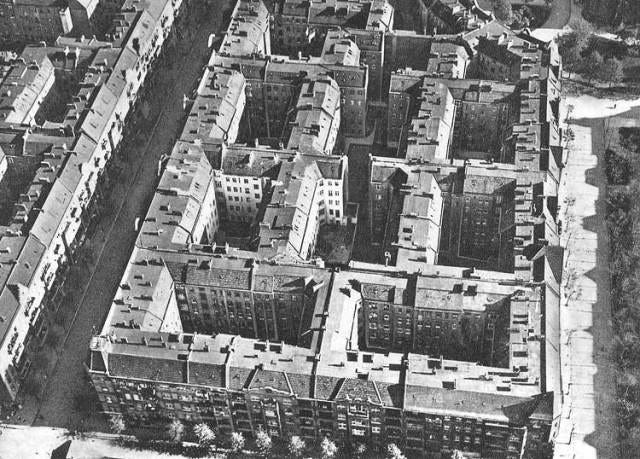
Large-scale housing projects were built
Autobahn construction was real
Volkswagen concept existed (though mass civilian delivery was interrupted by war)
✔ Certain Environmental & Animal Laws
Animal protection laws were enacted
Some conservation measures existed
Anti-vivisection rhetoric was present (though enforcement was inconsistent)
IV. WHAT IS PARTIALLY TRUE BUT MISLEADING
⚠ “No Debt” Claim
Germany accumulated massive hidden liabilities
Rearmament spending exploded
The economy was not sustainable without expansion or conquest
By 1939, the system required territorial acquisition to avoid collapse
Conclusion:
The system postponed collapse by externalizing future costs.
⚠ “Crime Was Almost Non-Existent”
Crime statistics were manipulated
Political crimes were excluded
Dissent was criminalized, not eliminated
⚠ “Democratic Governance”
Elections occurred, but:
Opposition parties were banned
Press was controlled
Dissent carried existential risk
Referenda were plebiscitary, not pluralistic
V. CLAIMS THAT FAIL EVIDENTIARY TESTING
❌ Debt Elimination
No credible economic historian supports the claim that Germany operated without debt.
❌ Universal Popular Happiness
Diaries, letters, and internal reports show:
Fear
Surveillance
Conformity pressure
Emigration attempts even before war
❌ Purely Defensive Posture
Rearmament violated treaties
Expansion was planned prior to external confrontation
War economics were embedded structurally
VI. THE CRITICAL ERROR IN PART VI’S LOGIC
The section commits a category error:
Material relief ≠ moral legitimacy
History repeatedly shows that:
Oppressive systems often begin by solving real problems
Economic relief can coexist with coercion
Popular approval does not equal ethical correctness
This does not validate opposing systems by default.
It simply rejects false binaries.
VII. WHAT THE READER SHOULD ACTUALLY TAKE FROM PART VI
Legitimate Insight:
Debt-driven systems are politically fragile
Economic humiliation breeds radical alternatives
Material conditions shape belief faster than ideology
Illegitimate Leap:
That short-term prosperity absolves systemic violence
That financial independence alone defines moral truth
That critique of finance justifies collective demonization
VIII. FINAL ASSESSMENT — PART VI
Status:
40% verifiable
35% distorted by omission
25% demonstrably false
Value of the Section:
Useful as a case study in how material relief manufactures loyalty
Dangerous when treated as moral exoneration
Instructive for understanding why populations follow systems that later destroy them
IX. READER SOVEREIGNTY CLAUSE
No authority is being offered here.
Not historians.
Not documentaries.
Not this report.
You are expected to:
Compare material claims against independent data
Separate empathy from endorsement
Reject both sanctification and demonization
History is not owned by victors or rebels.
It is owned by those who can hold two truths at once.
⚖️MEFO Bills Germany’s Hidden War Debt
This document presents a forensic audit of historical claims regarding the Third Way, specifically evaluating the economic and social performance of National Socialist Germany.
The text functions as an analytical review, stripping away ideological narratives to weigh specific assertions about debt-free currency, social renewal, and environmental stewardship against verifiable records.
While the audit acknowledges certain short-term material successes, it identifies these as distorted by hidden debt and systemic coercion rather than true moral legitimacy.
Ultimately, the source serves as a methodological framework designed to help readers distinguish between material relief and ethical governance.
By categorizing claims as verifiable, misleading, or false, the report challenges the reader to maintain intellectual sovereignty over historical propaganda.


