


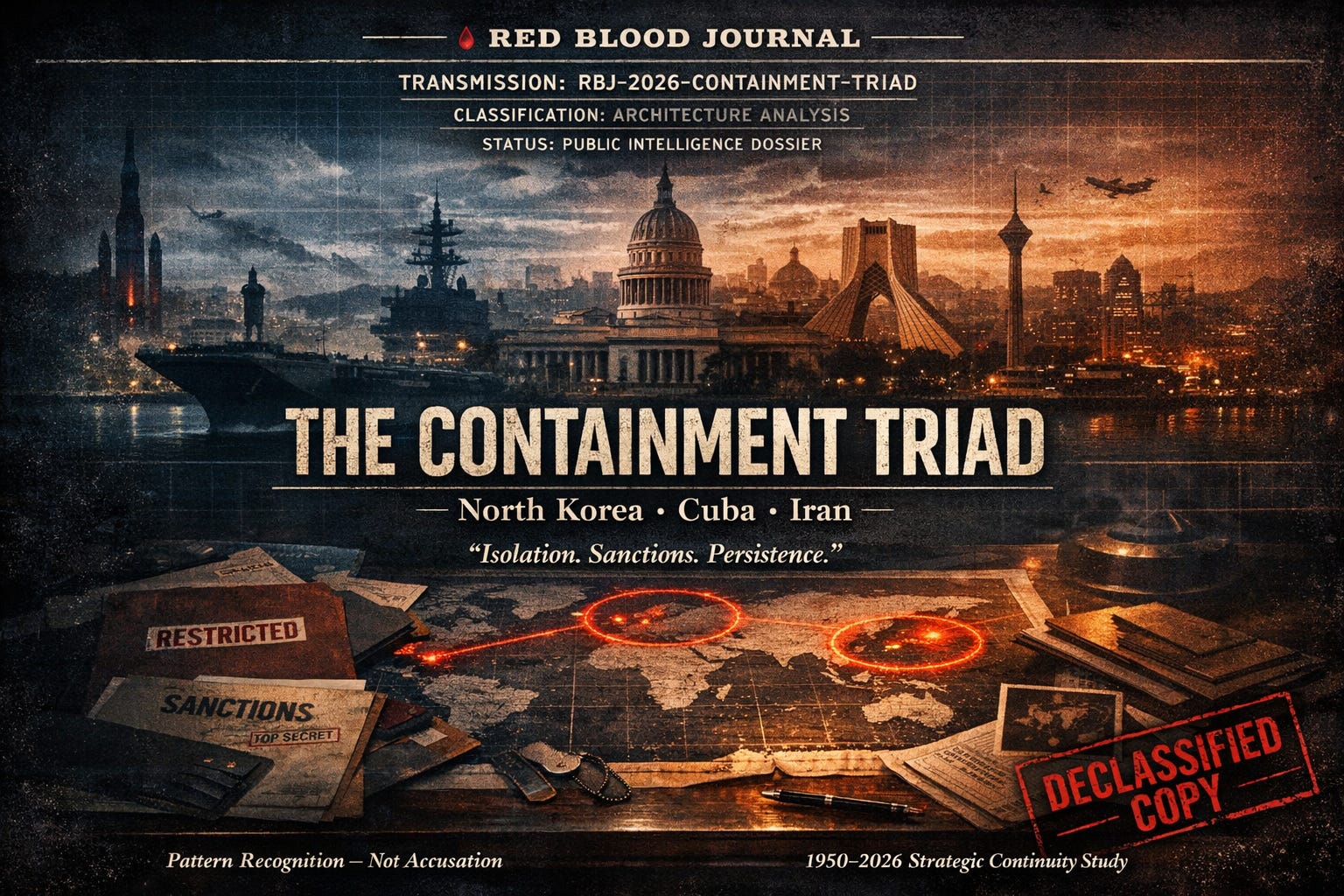
🩸 RED BLOOD JOURNAL TRANSMISSION
T#: RBJ-2026-CONTAINMENT-TRIAD
Classification: Geopolitical Containment Architecture Study
Status: Analytical Transmission
Scope: North Korea – Cuba – Iran (1950–2026)
PROLOGUE — CONTAINMENT AS A DOCTRINE
In modern geopolitical history, certain states are not merely rivals — they become permanent containment cases.
This transmission examines three of them:
🇰🇵 North Korea
🇨🇺 Cuba
🇮🇷 Iran
For over half a century, U.S. policy toward these nations has followed a recognizable architecture:
Diplomatic isolation
Economic sanctions
Intelligence pressure
Regional military positioning
Narrative framing as systemic threats
This report does not assume moral superiority or victimhood on either side.
It asks a narrower question:
Is there a structural pattern in how adversaries are managed — and what are the consequences of that pattern?
I — THE CONTAINMENT BLUEPRINT
Across decades and administrations — Democratic and Republican alike — the policy pillars remain consistent.
1. Isolation
Diplomatic downgrades
Restricted access to international finance
Limited trade integration
2. Economic Constriction
Banking sanctions
Energy export restrictions
Secondary sanctions on third-party states
3. Security Framing
Military exercises near borders
Missile defense positioning
Public designation as threat actors
4. Strategic Persistence
Unlike short-term conflicts, containment toward these three states has lasted multiple generations.
Containment becomes permanent policy.
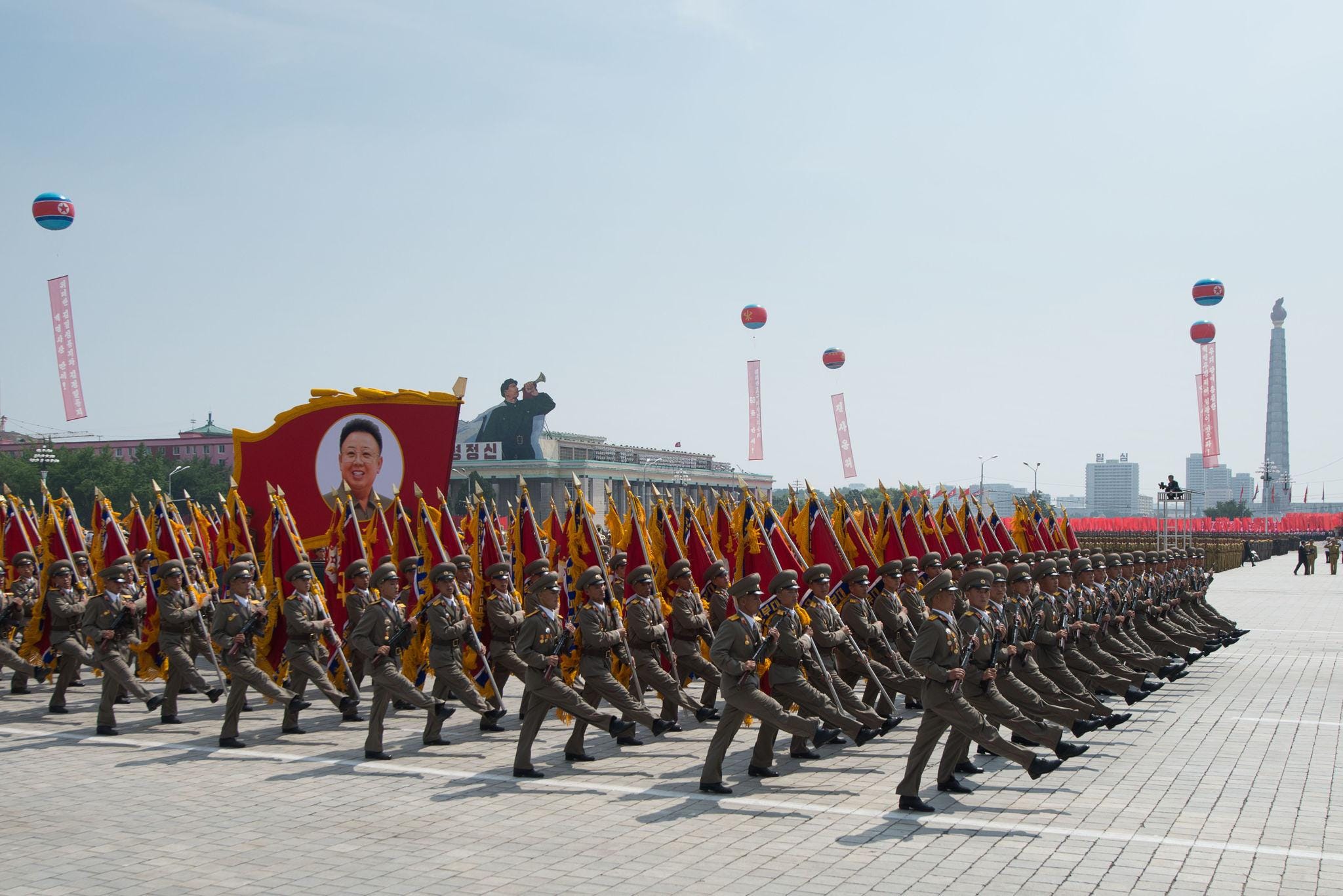
II — CASE STUDY: NORTH KOREA
4
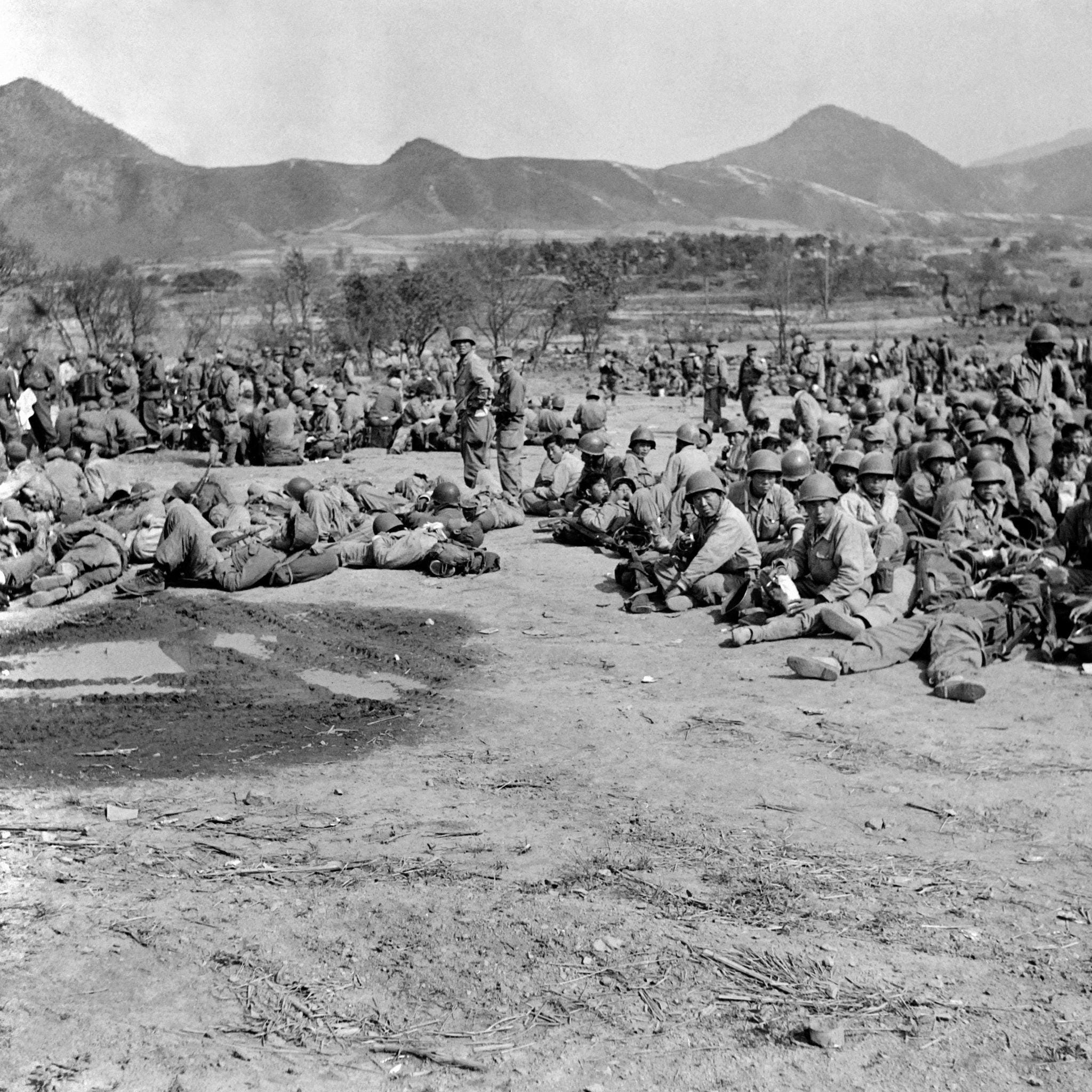
Historical Anchors
Korean War intervention (1950–1953)
Ongoing U.S. military presence in South Korea
Sanctions expanded following nuclear development
Structural Reality
North Korea adopted:
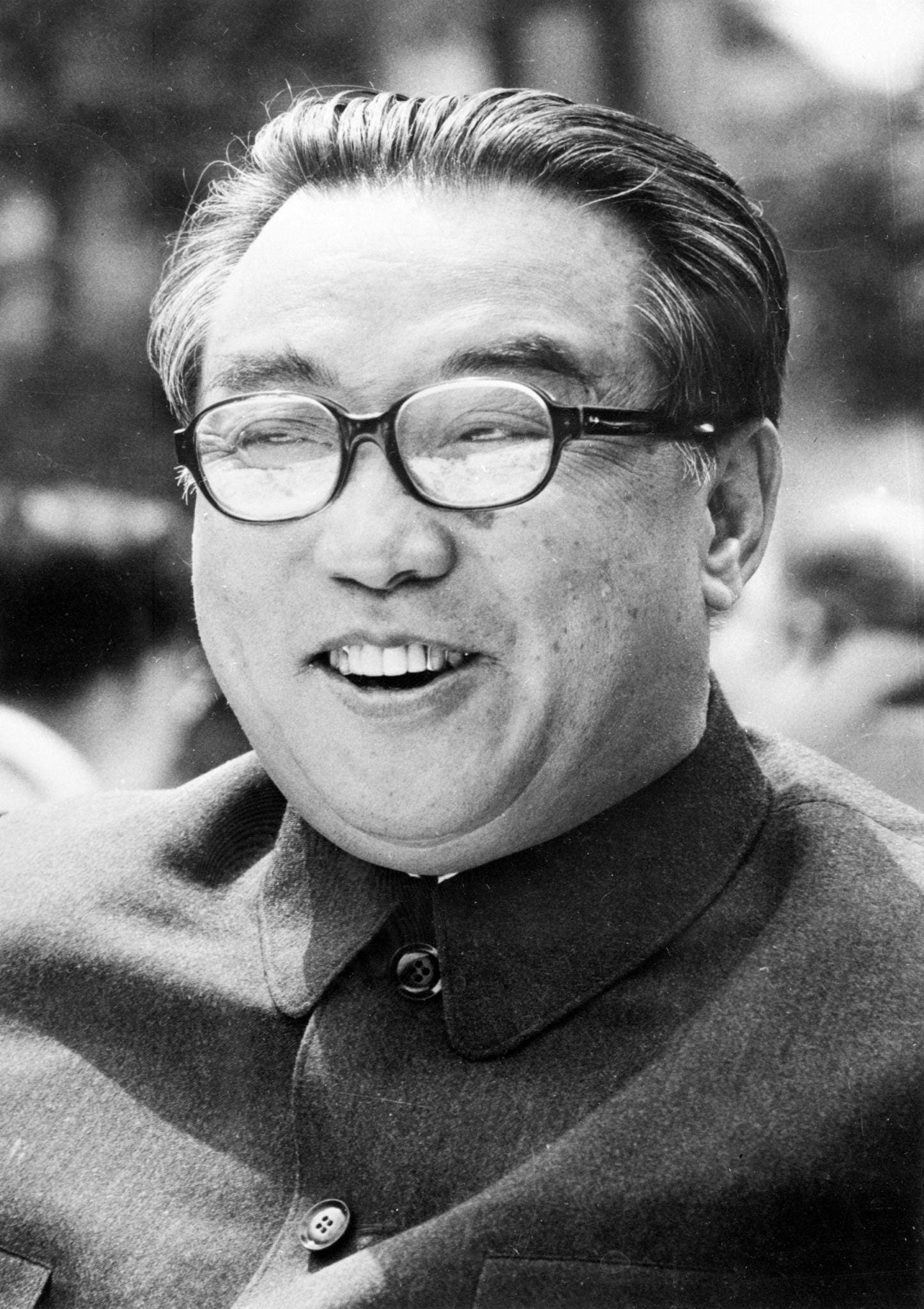
A closed economic model
Military-first governance
Dynastic leadership continuity
Analytical Observation
Containment likely reinforced:
Security paranoia
Nuclear acceleration
Internal justification for isolation
However:
Even absent U.S. pressure, North Korea lacks:
Scale
Institutional openness
Trade integration capacity
It may have evolved differently — but superpower status is structurally improbable.
III — CASE STUDY: CUBA

4
Historical Anchors
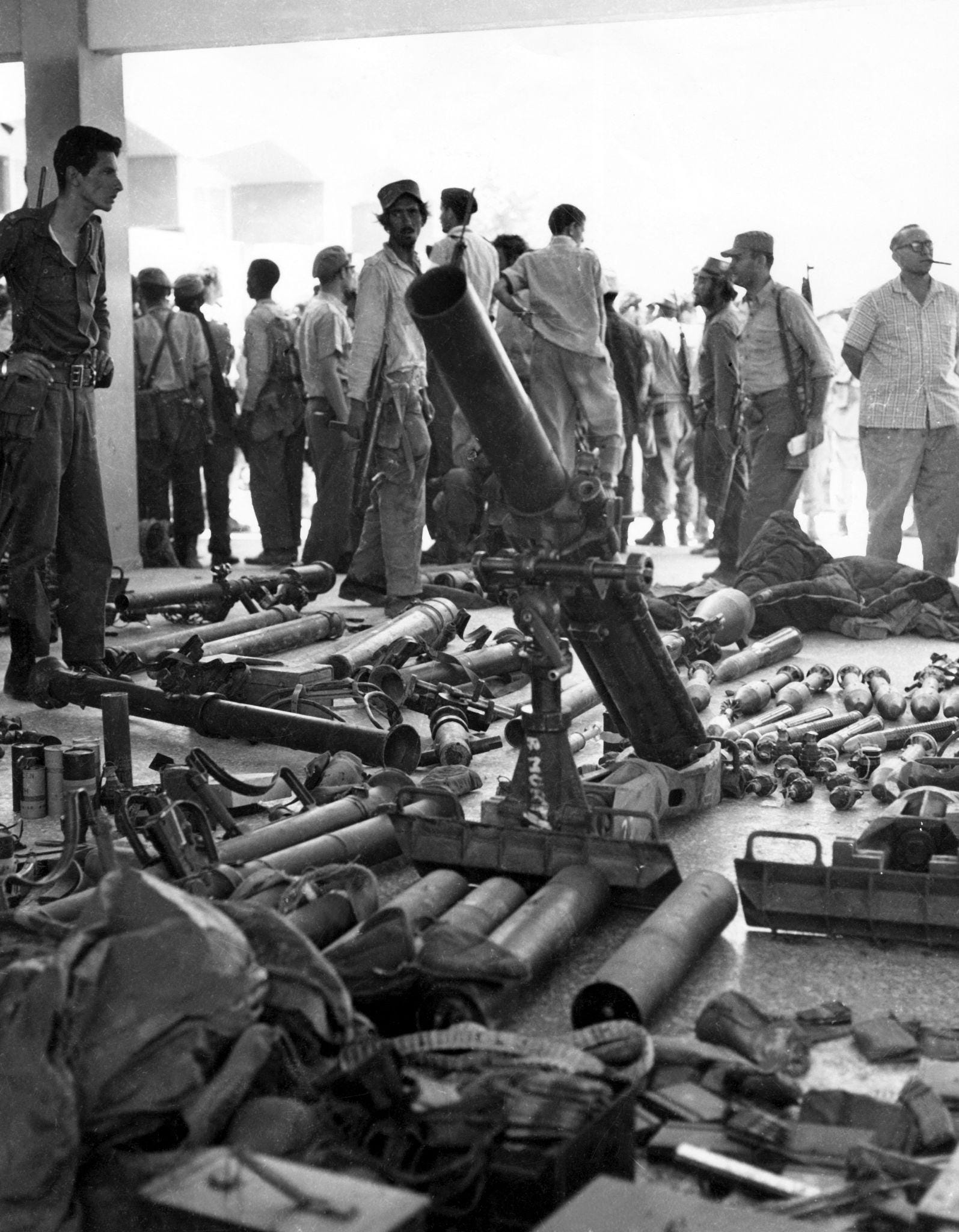
Bay of Pigs (1961)
Cuban Missile Crisis (1962)
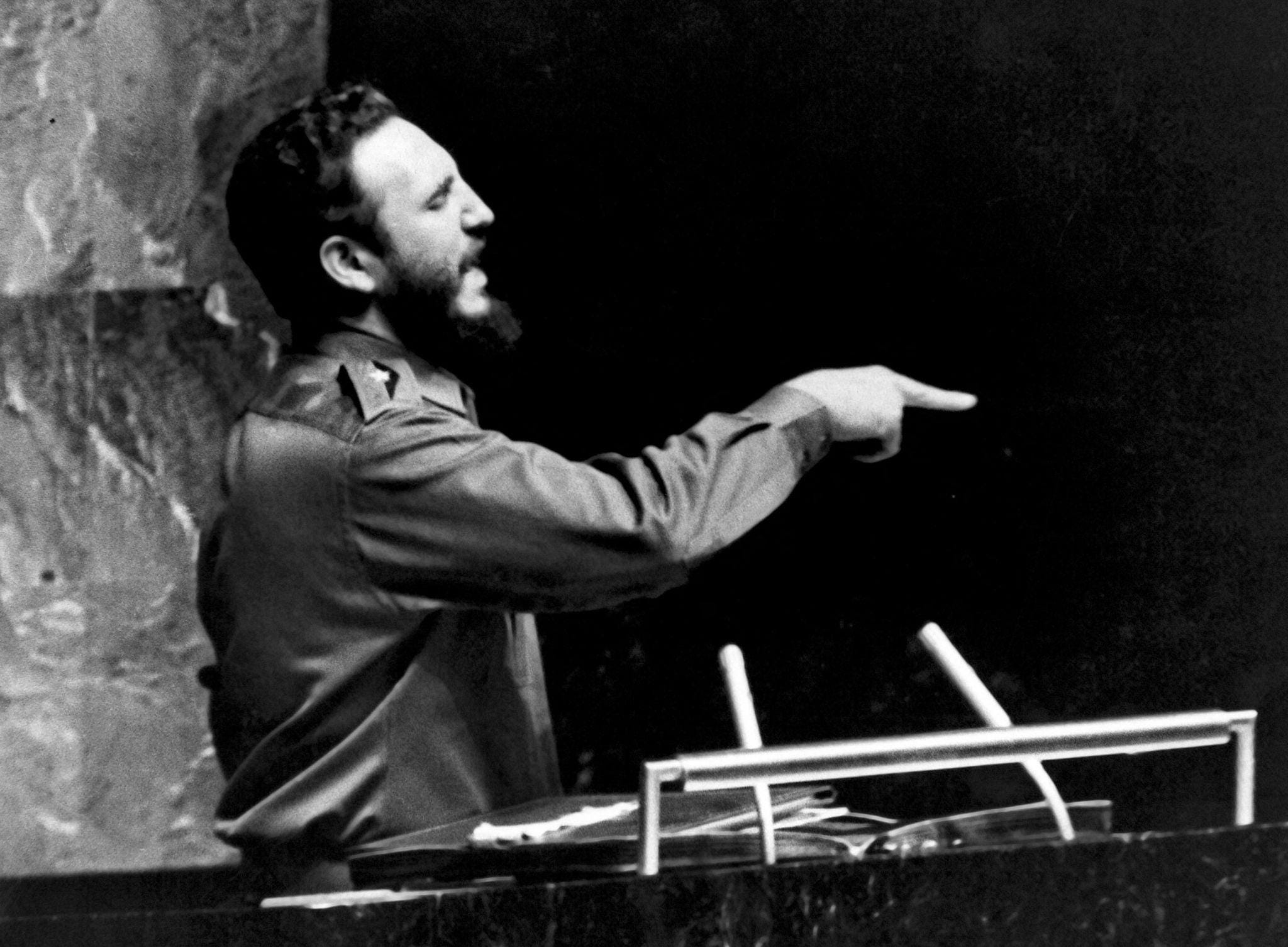
Embargo regime lasting over 60 years
Structural Reality
Cuba:
Centralized its economy
Depended heavily on Soviet subsidy
Maintained limited private sector development
Analytical Observation
The embargo:
Restricted foreign capital access
Constrained modernization
Reinforced state control narratives
Yet:
Cuba’s demographic size and geography limit superpower potential.
The more accurate assessment:
Containment contributed to stagnation, but did not block a superpower trajectory.
IV — CASE STUDY: IRAN

4
Historical Anchors
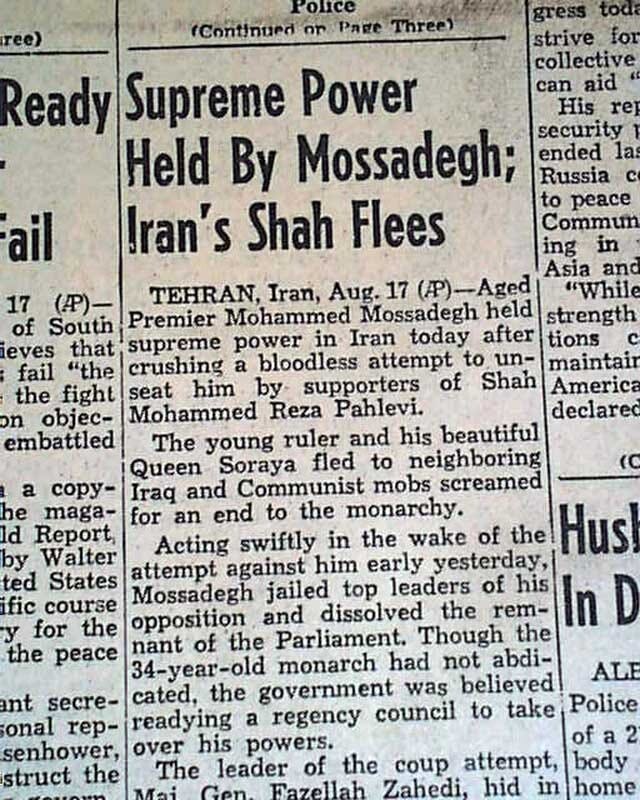
1953 CIA-backed coup against Mossadegh
U.S. support for the Shah (1953–1979)
Post-1979 sanctions architecture
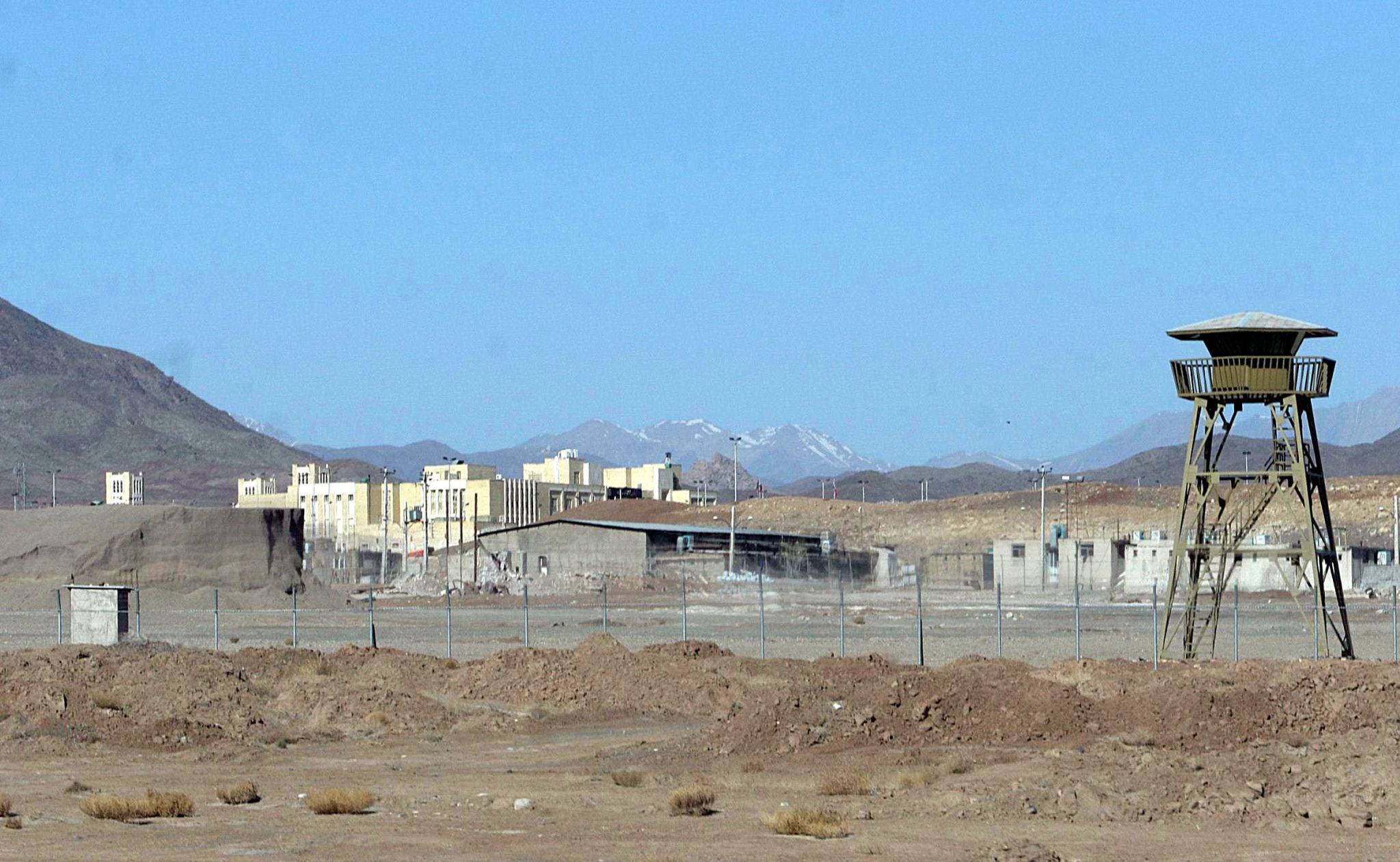
Cyber operations (e.g., Stuxnet)
Regional proxy competition
Structural Reality
Iran possesses:
Large population
Energy reserves
Industrial capacity
Strategic geography
Analytical Observation
Iran represents the strongest counterfactual case.
Without sustained sanctions:
GDP growth likely higher
Regional integration broader
Capital access greater
Yet internal decisions also shaped outcomes:
Concentrated economic control
Revolutionary export doctrine
Strategic confrontation posture
Conclusion:
External containment and internal governance co-produced the present trajectory.
V — THE ENEMY CYCLE HYPOTHESIS
A recurring critique suggests:
Adversaries serve strategic and economic purposes within Western defense ecosystems.
Documented factors include:
Defense spending increases during prolonged tension
Arms sales tied to regional threat narratives
Sanctions regimes persisting beyond immediate crises
This does not imply fabrication of threats.
It suggests:
Long-term rivalry becomes institutionalized.
Threat → Budget → Posture → Counter-response → Renewed threat.
The cycle stabilizes itself.
VI — SUPERPOWER COUNTERFACTUAL
A superpower requires:
Global economic scale
Currency influence
Ocean-spanning military capability
Technological export dominance
Institutional reach
None of the three structurally meet that threshold — even without containment.
Iran might emerge as a major regional power.
Cuba and North Korea would likely remain mid-tier states.
Thus the sharper question is not:
“Were they prevented from becoming superpowers?”
But rather:
Did containment policies narrow their developmental bandwidth and lock them into adversarial identity loops?
Evidence suggests yes.
VII — STRATEGIC CONSEQUENCE
Long-term containment creates:
Hardened regimes
Reduced diplomatic flexibility
Generational mistrust
Parallel economic systems outside Western frameworks
It also preserves:
Western strategic dominance
Defense industry continuity
Alliance cohesion
Containment is therefore not accidental.
It is a structural choice.
FINAL NOTE — PATTERN, NOT MORALITY
This transmission does not assign virtue or blame.
It identifies pattern:
When states diverge ideologically and strategically from Western frameworks, the response is not temporary conflict — it is durable constriction.
The outcome is mutual entrenchment.
Whether this architecture enhances long-term global stability remains an open question.
⛓️The Architecture of Permanent Containment
The provided text outlines a geopolitical framework known as permanent containment, focusing on how the United States manages long-term adversaries like North Korea, Cuba, and Iran.
This strategy utilizes a consistent toolkit of diplomatic isolation, economic sanctions, and military positioning to restrict the growth and influence of these nations over several decades.
Rather than aiming for immediate resolution, this architecture creates a self-sustaining cycle that justifies defense spending and reinforces adversarial identities on both sides.
While the analysis suggests these countries were unlikely to become global superpowers regardless of pressure, containment has successfully stunted their economic development and hardened their political regimes.
Ultimately, the source argues that this durable constriction is a deliberate structural choice that prioritizes Western strategic dominance over diplomatic flexibility. This process results in a state of mutual entrenchment that shapes the modern international landscape.


