


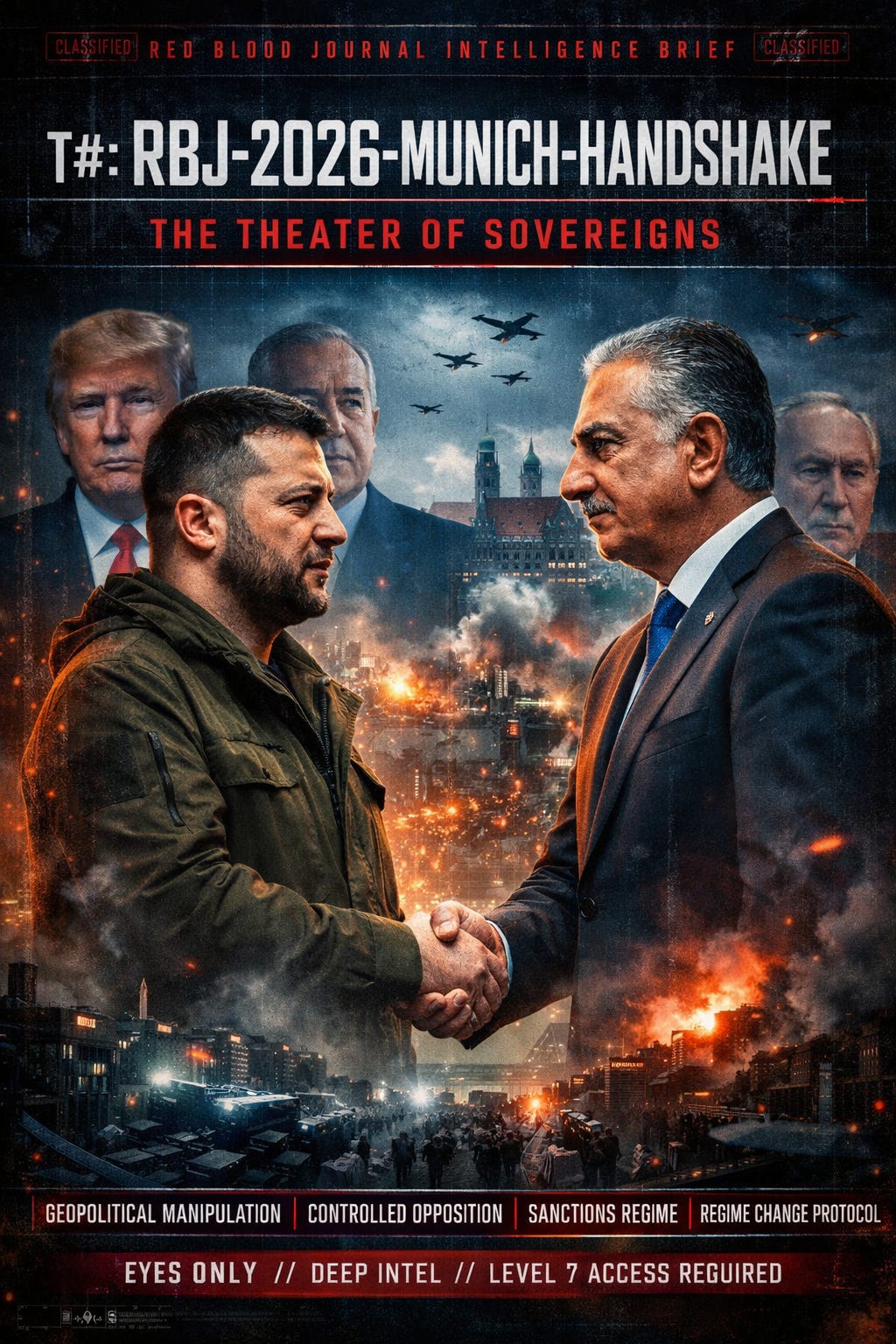
🩸 RED BLOOD JOURNAL TRANSMISSION
T#: RBJ-2026-MUNICH-HANDSHAKE
Classification: Diplomatic Theater / Sovereign Alignment Protocol / Narrative Warfare
Desk: Counterintelligence Analysis Wing — Archive of Blood & Memory
Cross-Reference: Useful Enemy Doctrine / Sanctions Regime Architecture / Controlled Opposition Theory
PROLOGUE — THE HANDSHAKE THAT WAS NEVER JUST A HANDSHAKE
4
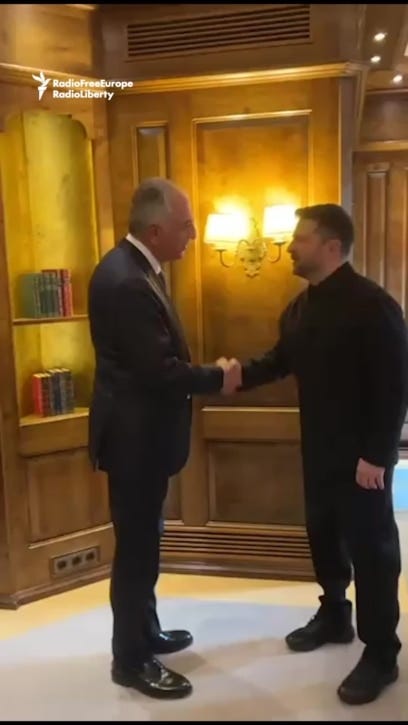
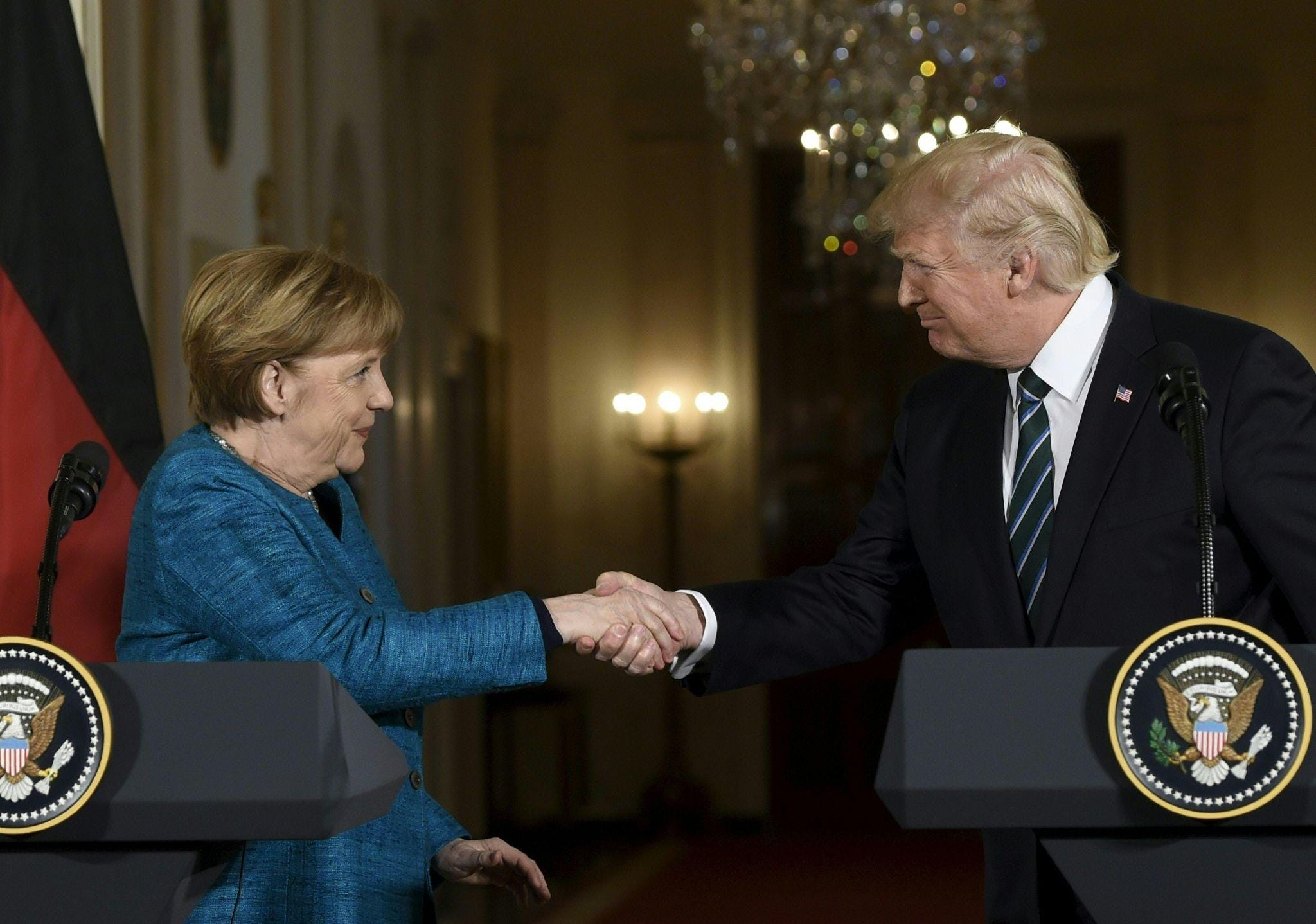
The photograph appears harmless.
Two men.
Two suits.
Two smiles calibrated to signal legitimacy.
One represents a nation at war.
The other represents a nation that no longer exists.
Yet the meeting was not about the present.
It was about the future ownership of Iran.
Because in modern geopolitical theater, legitimacy is not inherited through blood.
It is manufactured through recognition.
And recognition is the currency of power.
SECTION I — THE GHOST OF THE THRONE
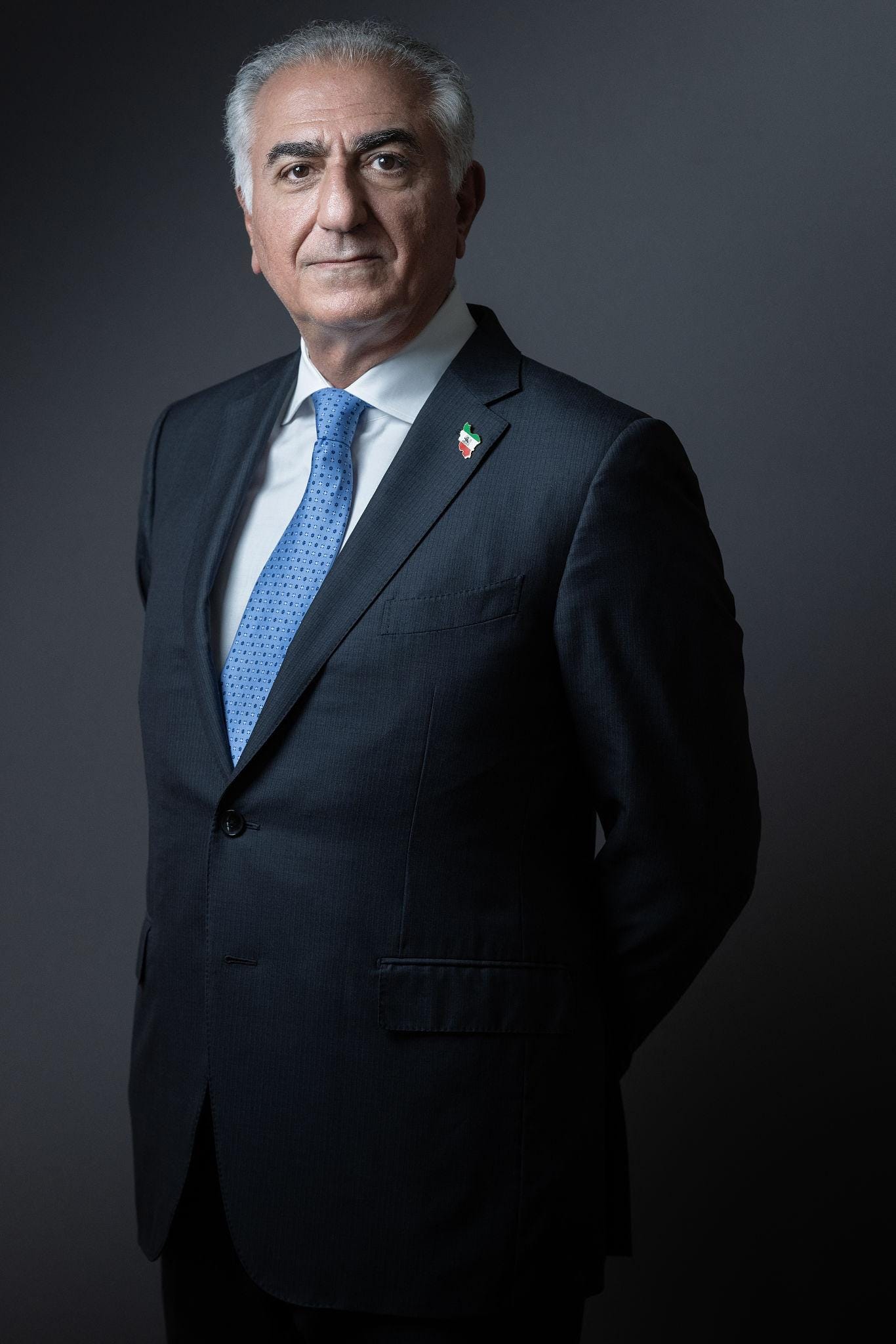
Reza Pahlavi does not control Iran.
He commands no army.
He governs no territory.
He signs no laws.
Yet he is received by heads of state.
Why?
Because he represents a contingency asset.
A placeholder sovereign.
A dormant key waiting for the lock to break.
When a regime becomes unstable, power does not emerge from chaos.
It transfers to whoever has already been introduced to the global system.
Recognition precedes authority.
Authority does not precede recognition.
This is the invisible law.
SECTION II — ZELENSKYY AND THE WAR BEYOND UKRAINE
4
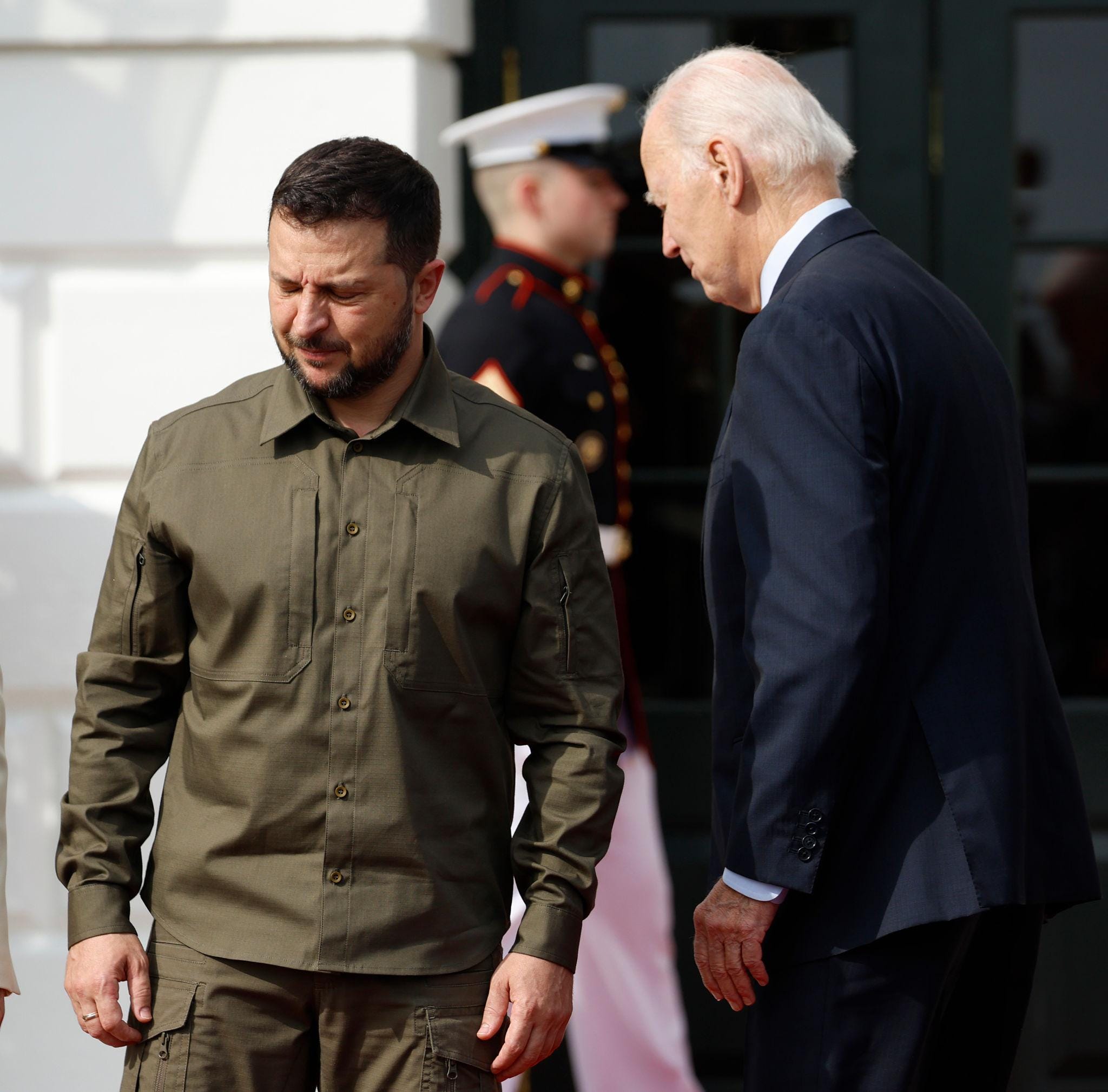
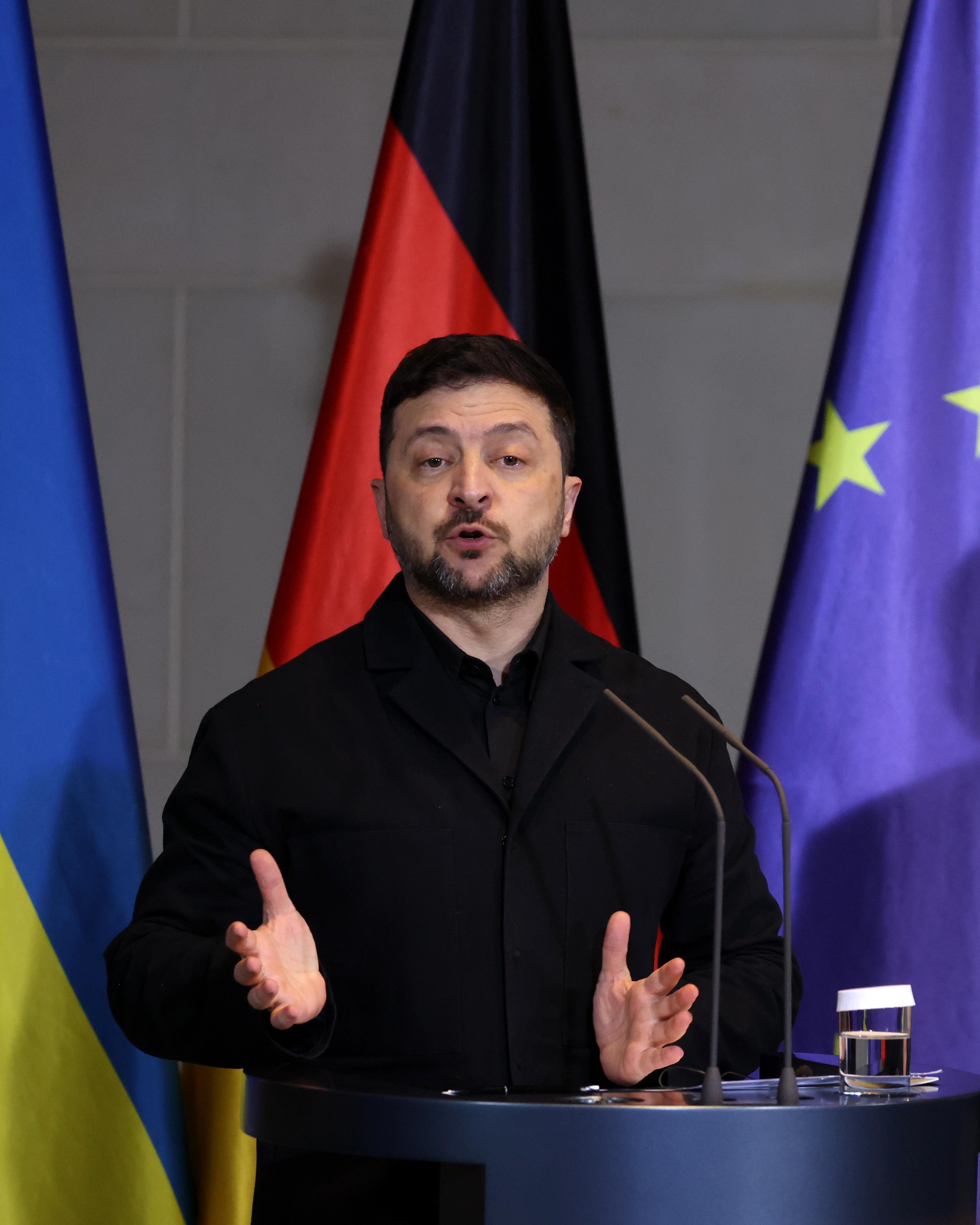
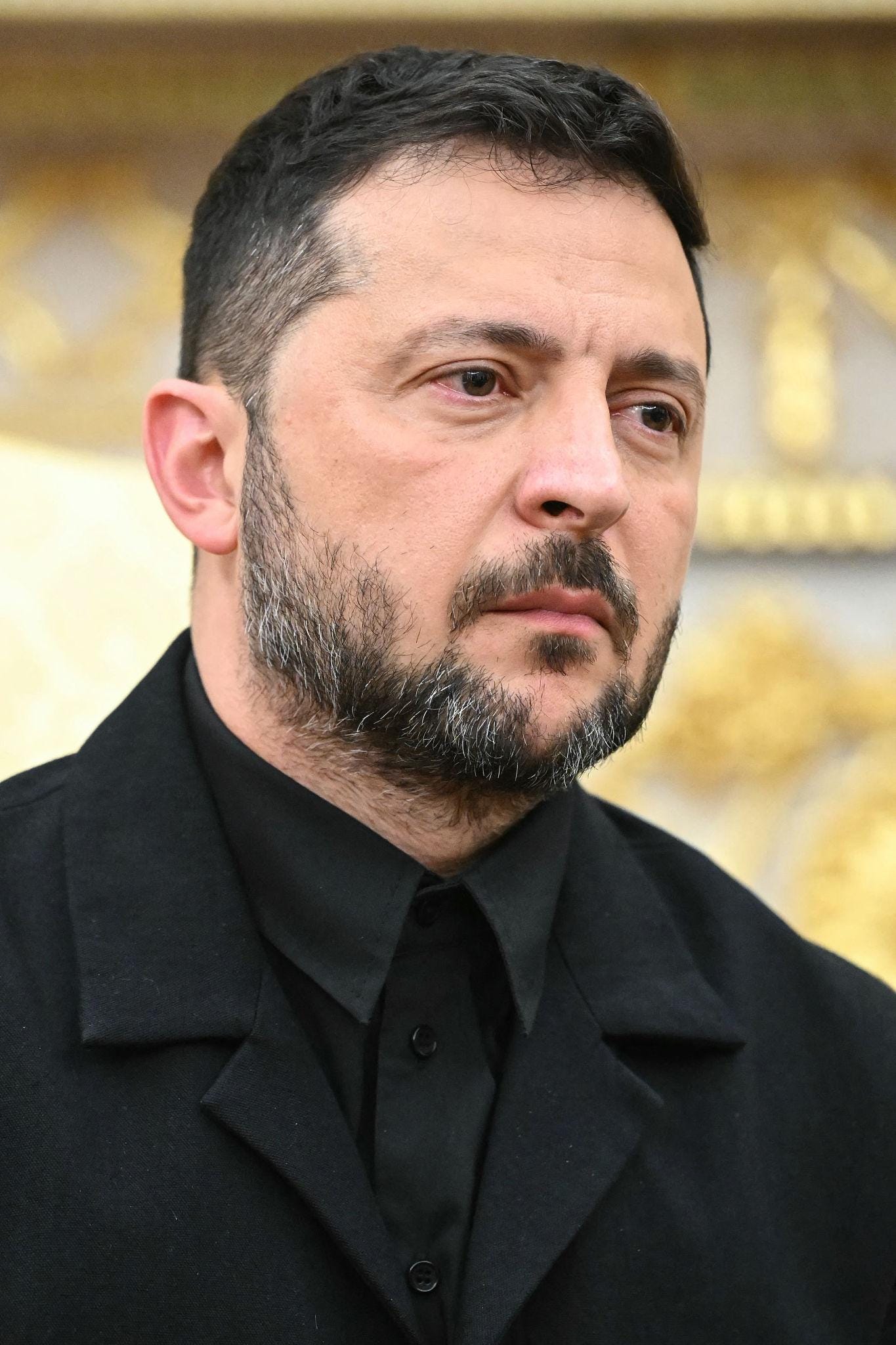
Volodymyr Zelenskyy is not merely fighting Russia.
He is participating in a larger containment network.
Iran supplies drones to Russia.
Russia supplies strategic depth against Western expansion.
Ukraine becomes the battlefield where these networks collide.
But war alone cannot defeat Iran.
Sanctions weaken economies.
Diplomacy weakens legitimacy.
Symbolism weakens perception.
And perception determines survival.
By meeting Pahlavi publicly, Zelenskyy performed a signal operation.
Not toward Iran’s present.
But toward Iran’s possible future.
SECTION III — THE SANCTIONS ARCHITECTURE
Sanctions are presented to the public as punishment.
In reality, they serve three deeper functions:
1. Economic suffocation
Reduce internal stability.
2. Psychological pressure
Convince citizens their government is isolated.
3. Transitional preparation
Position alternative leadership as internationally acceptable.
Sanctions do not just weaken regimes.
They prepare replacement regimes.
This is the unspoken phase.
SECTION IV — THE NETWORK OF INTERLOCKING ENEMIES
4
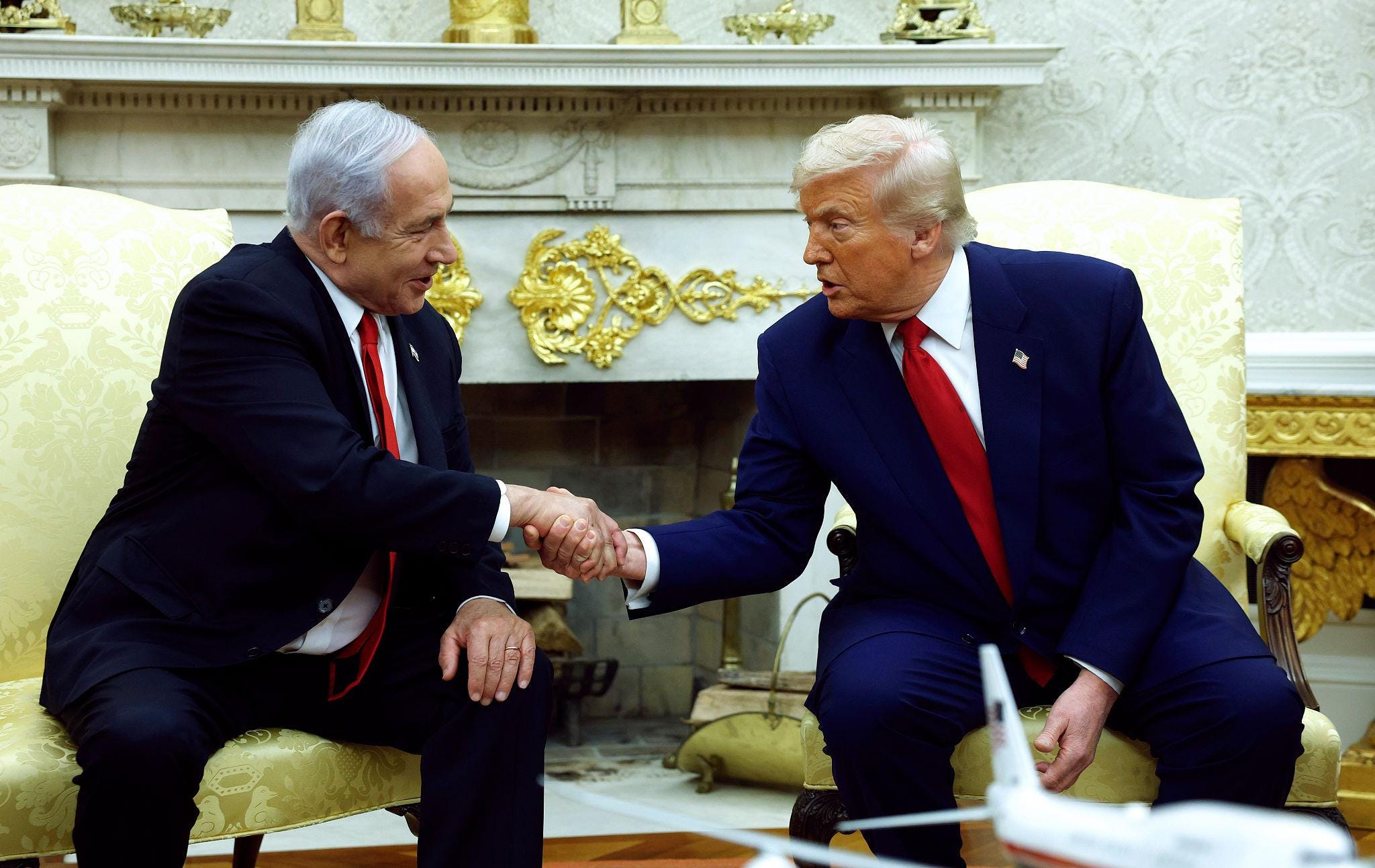
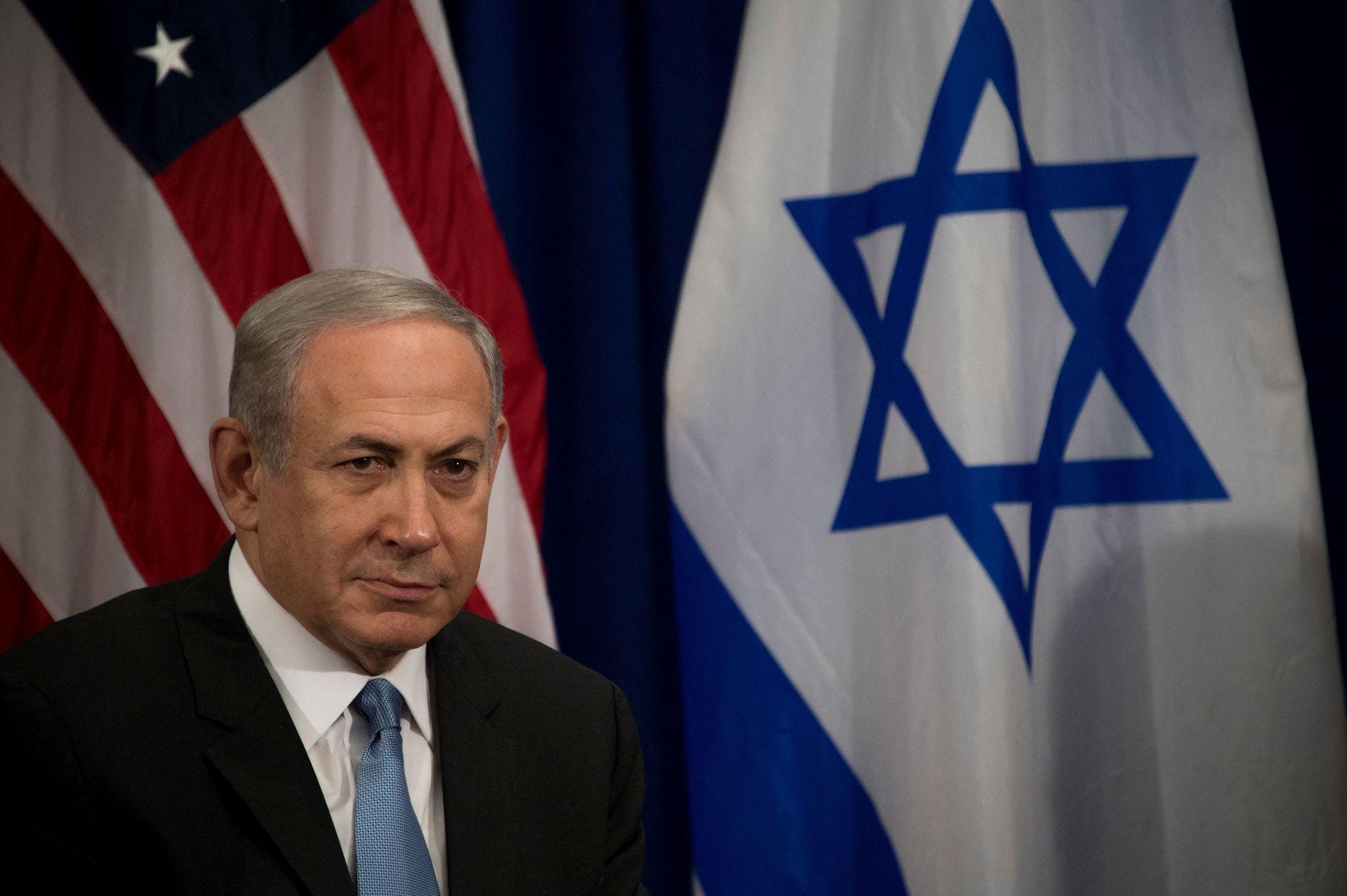
Benjamin Netanyahu opposes Iran.
Donald Trump imposed maximum sanctions on Iran.
Zelenskyy condemns Iran.
These actions appear independent.
But they converge on a single outcome:
Iran’s containment.
Not necessarily destruction.
Containment preserves usefulness.
Because a permanent enemy justifies permanent mobilization.
Military budgets.
Surveillance powers.
Alliance cohesion.
The enemy becomes structural.
Removing the enemy collapses the structure built around it.
SECTION V — THE USEFUL ENEMY PARADOX
Every power system requires opposition.
Not to destroy.
But to define itself.
Without threat, authority weakens.
Without conflict, unity dissolves.
Without fear, compliance declines.
Thus emerges the paradox:
The enemy must exist.
But must never fully win.
And must never fully disappear.
Iran occupies this structural role.
As the Soviet Union once did.
As terrorism once did.
As new adversaries will continue to do.
SECTION VI — THE THEATER OF LEGITIMACY TRANSFER
This meeting was not about war.
It was about succession preparation.
If Iran’s internal structure fractures, global recognition will determine who inherits authority.
Not internal elections.
Not popular will alone.
Recognition determines access to:
Financial systems
Military support
Diplomatic legitimacy
Global economic integration
Power flows toward whoever is already inside the system.
Not whoever stands outside it.
SECTION VII — THE ILLUSION AND THE REALITY
The public sees conflict.
Power structures see continuity.
Leaders rise and fall.
Systems endure.
Enemies rotate.
Narratives evolve.
But the architecture remains intact.
Because stability, not victory, is the ultimate objective of power.
COUNTERINTELLIGENCE NOTES
Observation A:
Public diplomatic recognition often precedes regime transition events by years.
Observation B:
Exiled leadership figures serve as contingency sovereignty assets.
Observation C:
War, sanctions, and diplomacy operate as integrated tools, not separate events.
Observation D:
Legitimacy is constructed externally before it manifests internally.
FINAL ASSESSMENT — THE HANDSHAKE AS SIGNAL
The meeting in Munich was not random.
It was not casual.
It was not symbolic alone.
It was preparatory.
Because in the architecture of modern power, the future is introduced quietly before it arrives loudly.
The photograph is not evidence of conspiracy.
It is evidence of preparation.
Preparation for outcomes that have not yet been publicly declared.
END TRANSMISSION
T#: RBJ-2026-MUNICH-HANDSHAKE
Archive Status: Active
Next Transmission: The Contingency Sovereign Protocol — How Exiled Leaders Are Positioned Before Regime Transition
🎭The Architecture of Manufactured Legitimacy and Sovereign Succession
The provided text analyzes a high-profile meeting between Volodymyr Zelenskyy and Reza Pahlavi as a calculated act of geopolitical theater rather than a casual encounter.
It posits that such interactions are used to manufacture legitimacy for exiled leaders, positioning them as contingency assets ready to assume power if a current regime collapses.
This strategic recognition serves as a signal operation, signaling to the global community that a successor government is already being integrated into Western power structures.
Furthermore, the analysis suggests that international sanctions and diplomatic optics work in tandem to weaken existing authorities while preparing a replacement leadership.
Ultimately, the source views conflict and diplomacy as tools within a broader architecture of power designed to ensure systemic continuity through the cultivation of useful enemies and pre-approved transitions.


