



🩸 RED BLOOD JOURNAL — CONSPIRACY REPORT
Transmission ID: T#CAPONE-STATE
Classification: Restricted Circulation
Subject: Al Capone & the United States Government — Parallel Criminal Architectures
Tagline: Different costumes. Same machine.
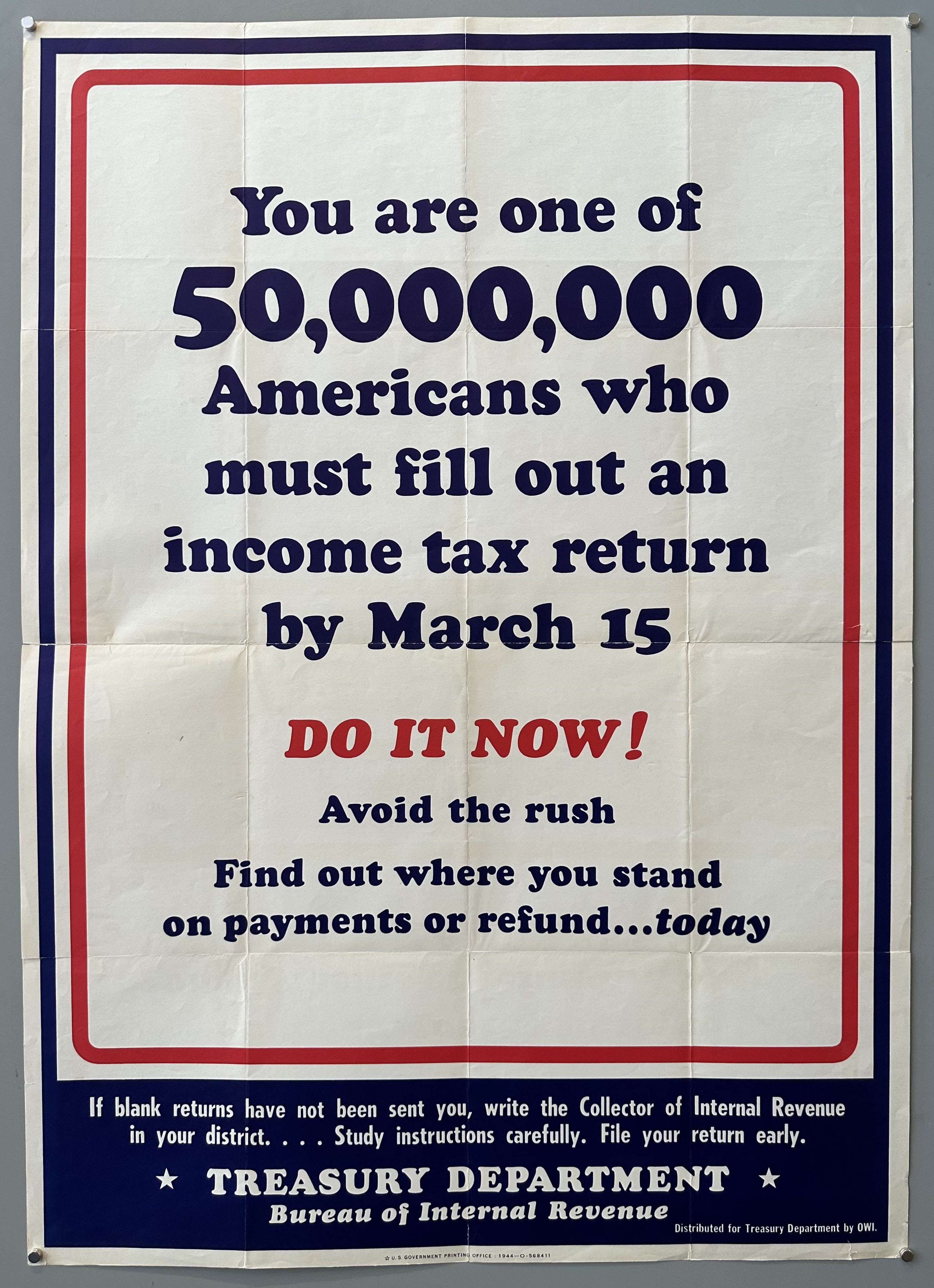
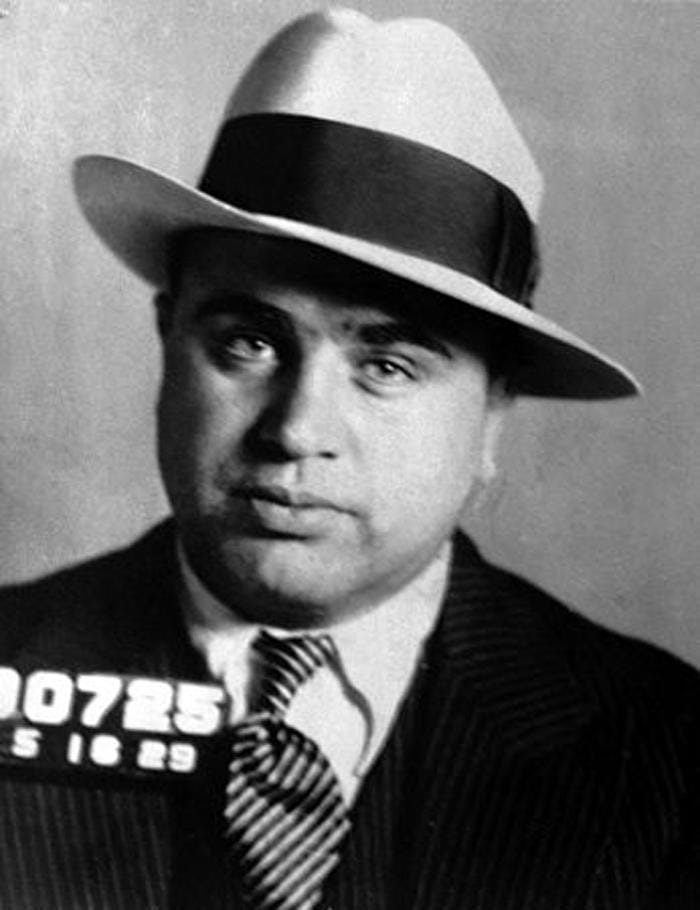

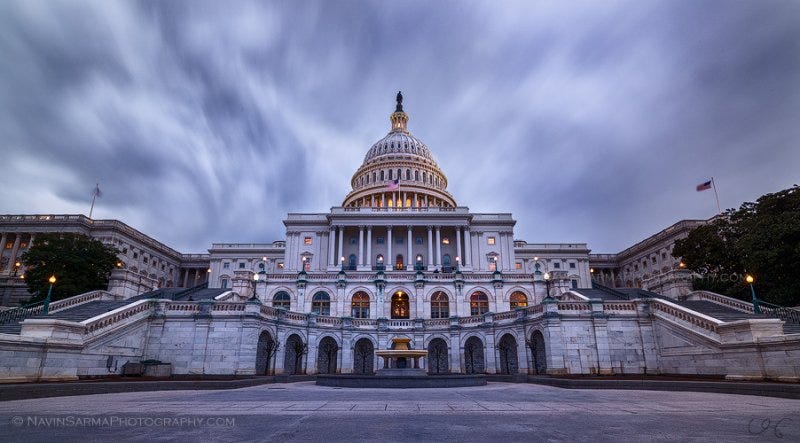
Capone’s Criminal Architecture Is Governance
EXECUTIVE SUMMARY
Official history teaches that Al Capone was a criminal aberration—a parasite feeding off an otherwise lawful society.
This report advances a forbidden counter-thesis:
Al Capone was not an anomaly. He was a prototype.
The modern U.S. state operates on nearly identical principles—only with legality, flags, and paperwork replacing tommy guns.
The difference is not method.
The difference is branding.
I. PROHIBITION VS REGULATION — CREATING CRIME TO CONTROL IT
Capone’s Chicago
Alcohol outlawed by Prohibition
Massive black market instantly created
Violence surged, not because of booze—but because of illegality
U.S. Government Model
Drugs, guns, gambling, financial instruments, speech, trade, movement
Regulation manufactures scarcity
Scarcity creates dependence
Dependence justifies enforcement budgets
🔎 Pattern Match:
Create a forbidden market → profit from controlling access → punish competitors.
Capone needed Prohibition.
The state needs regulation.
II. PROTECTION RACKETS — THEN AND NOW
Capone
“Nice business you have. Shame if something happened to it.”
Paid protection fees ensured “safety”
Refusal meant raids, arson, disappearance
Modern State
Taxes framed as “public safety”
Licenses, permits, compliance fees
Non-payment means seizure, prison, exclusion from society
💡 Key Insight:
Protection rackets become “law” when the strongest gang writes the rules.
III. TERRITORY CONTROL — THE MAP IS THE WEAPON
Capone
Controlled neighborhoods, unions, ports
Borders enforced by violence
Rivals eliminated
United States
Controls global trade lanes
Enforces borders selectively
Uses sanctions, embargoes, and military force
🌍 Translation:
Chicago → Global
Streets → Seas
Enforcers → Militarized bureaucracies
IV. ENFORCEMENT ARMS — BADGES REPLACE BULLETS
Capone’s Enforcers
Bribes to police
Judges on payroll
Violence as deterrence
State Enforcers
IRS, ATF, DEA, FBI
Civil asset forfeiture
Financial suffocation instead of gunfire
🧾 Why Capone Fell
Not murder.
Not extortion.
Taxes.
The same tool now funds the entire machine.
V. MORAL NARRATIVES — SINS THEN, SINS NOW
Capone
Sold vice while condemning rivals as immoral
Funded soup kitchens to launder reputation
Government
Sells war as freedom
Surveillance as safety
Debt as opportunity
🎭 Moral laundering is structural, not accidental.
VI. THE MYTH OF LEGITIMACY
Capone was called a criminal because:
He lacked sovereign recognition
He didn’t win the monopoly on force
The state is called legitimate because:
It did
History is written by the victors
Violence is sanctified by law
📌 Hard Truth:
Legality is retrospective morality.
VII. WHY THIS COMPARISON IS FORBIDDEN
Because once seen, it cannot be unseen.
If Capone is a criminal:
Why isn’t war profiteering?
Why isn’t regulatory capture?
Why isn’t inflation theft?
Why isn’t mass surveillance racketeering?
If the state is moral:
Why does it rely on coercion?
Why does it fear transparency?
Why does it punish alternatives?
CONCLUSION — SAME BEAST, NEW SUIT
Al Capone ran Chicago like a business.
The U.S. government runs the world like one.
The difference:
Capone needed guns
The state needs belief
🩸 FINAL TRANSMISSION LINE
When organized crime wins, it calls itself government.
When government loses, it calls itself tyranny.
Capone’s Criminal Architecture Is Governance
The provided text, a conspiracy report titled “Capone and State: Parallel Criminal Architectures,” asserts a controversial counter-thesis that the modern U.S. government operates on principles nearly identical to those used by mobster Al Capone.
The report argues that while Capone used tommy guns, the state substitutes legality, taxes, and regulation to achieve the same criminal ends, such as creating forbidden markets to control them and operating a protection racket framed as public safety and taxation.
The analysis draws direct parallels between Capone’s methods of territory control and enforcement and the government’s use of military bureaucracies, sanctions, and agencies like the IRS and FBI.
Ultimately, the source concludes that the fundamental difference between Capone and the state is not method but branding and legitimacy, stating that when organized crime wins, it calls itself government.


