



🩸RED BLOOD JOURNAL TRANSMISSION
Transmission Code: RBJ-ERATH-OBVIOUS-961
Classification: EYES ONLY — PATTERN RECOGNITION THRESHOLD
Desk: Parallel Planet Intelligence Wing
Archive: The Archive of Blood & Memory
PROLOGUE — THE THING NO ONE SAYS
On the surface of Planet Erath, nothing appears broken enough to trigger panic.
The roads still function—barely.
The systems still operate—slowly.
The institutions still speak—with confidence.
And yet…
A quiet realization has begun to spread—not through broadcasts, not through official channels—but through glances, pauses, and unfinished sentences:
“Something is off… and it’s too consistent to be accidental.”
No one declares it.
But many feel it.
I — THE PATTERN THAT REFUSES TO HIDE

4
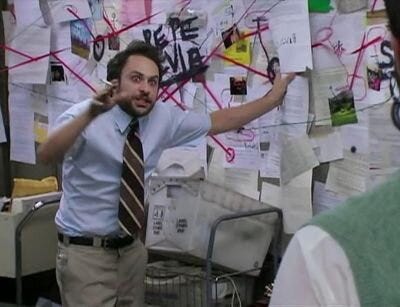
Across Erath, patterns repeat with mechanical precision:
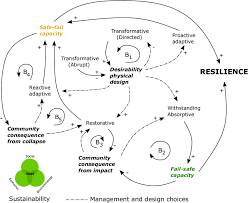
Crises emerge → urgency declared
Solutions introduced → complexity increases
Costs rise → services decline
Accountability fades → cycle resets
Different regions. Different leaders. Same outcomes.
Not identical events—
Identical trajectories.
This is not randomness.
This is structure expressing itself.
II — THE SILENCE OF THE AWARE



4
On Erath, awareness does not spread like fire.
It spreads like hesitation.
Citizens recognize the pattern, but:
They lack language that won’t get dismissed
They fear being labeled irrational
They cannot fully prove what they feel
So the conclusion remains unspoken:
“If it’s this obvious… why is no one addressing it?”
Because everyone is asking the same question—
quietly.
III — THE VERTICAL VEIN
4
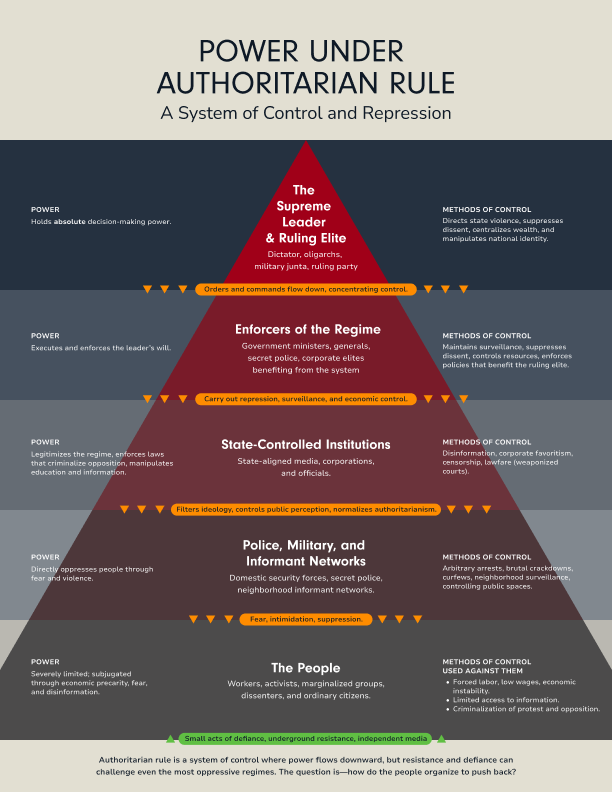
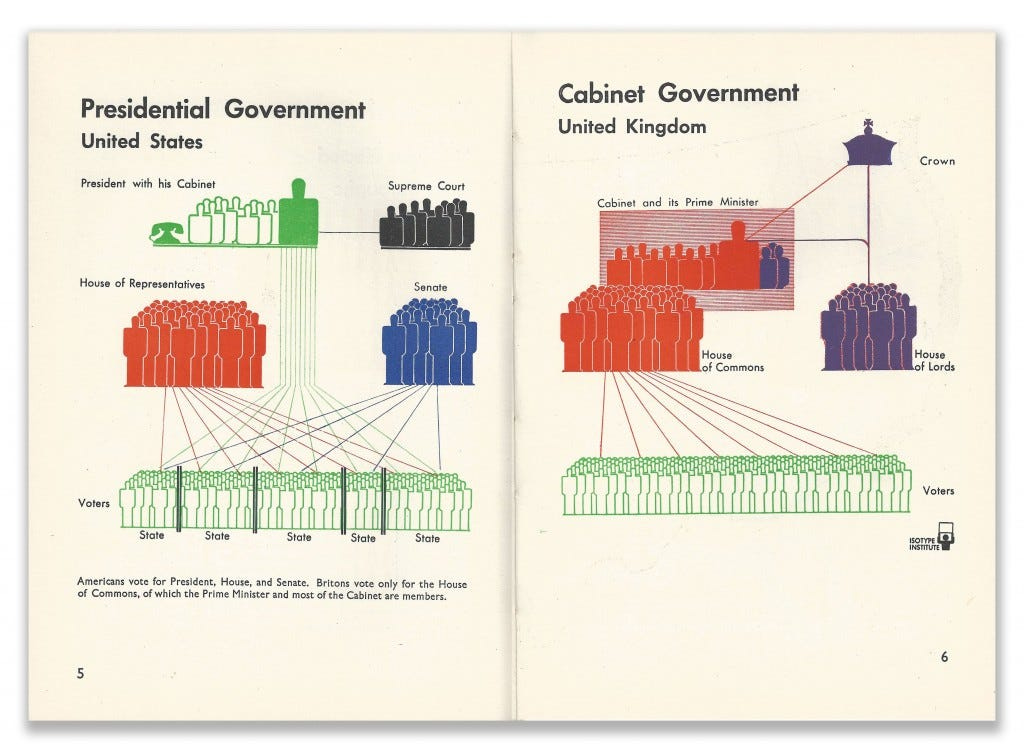
Erath’s systems are not horizontal—they are vertical.
At the top:
Decisions
Allocations
Rules
At the bottom:
Experience
Friction
Consequences
The distance between the two creates a phenomenon:
Impact without visibility
Those at the base feel outcomes
without ever seeing the origin.
And so the suspicion forms:
“If the effects are consistent… the source must be consistent.”
IV — THE ILLUSION OF CHAOS


4
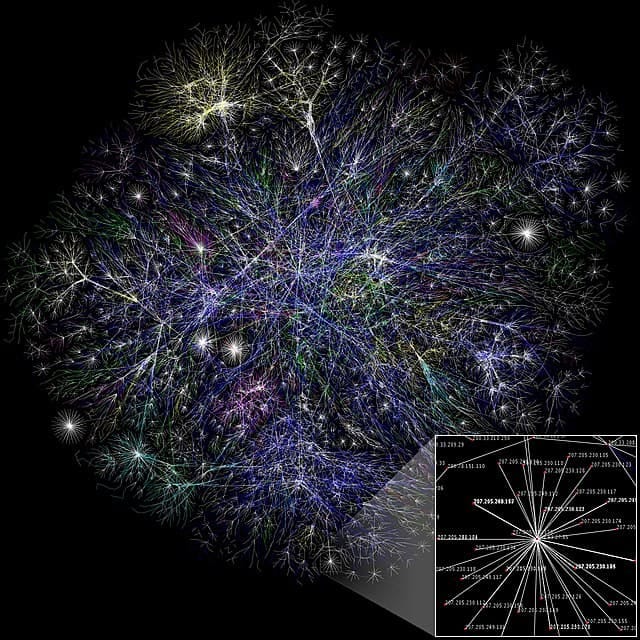
Erath appears chaotic:
Competing institutions
Conflicting narratives
Constant disorder
But beneath the noise lies something else:
Alignment without coordination
No single visible controller is required when:
Incentives align
Systems self-preserve
Outcomes reinforce themselves
This creates the most powerful illusion of all:
A system that behaves as if controlled—
without needing to prove that it is.
V — THE OBVIOUS PARADOX


4
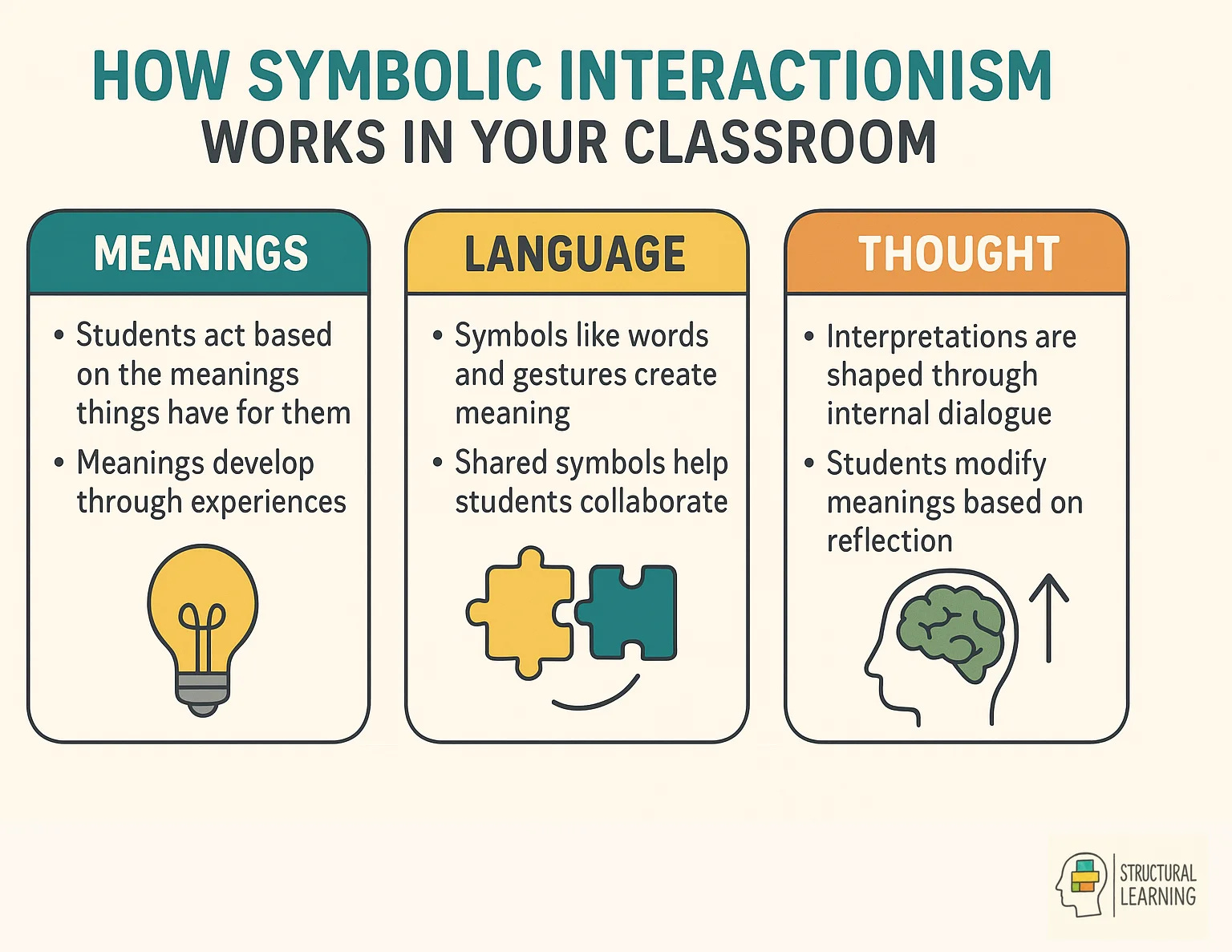
The greatest paradox on Erath:
The more obvious a pattern becomes,
the less people want to confront it.
Why?
Because accepting it requires:
Rewriting assumptions
Admitting vulnerability
Questioning foundational beliefs
So the mind chooses the safer path:
“It must be more complicated than that.”
Even when simplicity is staring directly at it.
ANNEX A — THE ERATH CYCLE MODEL
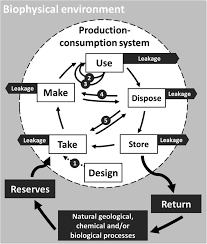
Pattern Loop Identified:
Pressure Introduced
Narrative Constructed
Response Justified
System Expanded
Cost Increased
Performance Declines
Cycle Resets Under New Context
Each cycle appears new.
Each structure remains the same.
ANNEX B — THE PERCEPTION GAP
LEVELWHAT IS SEENWHAT IS FELTTopPolicy, strategy, controlStabilityMiddleAdministration, messagingComplexityBottomDelays, costs, frictionDecline
The wider the gap,
the stronger the suspicion.
ANNEX C — THE THRESHOLD MOMENT
Erath is approaching a critical point:
Not collapse.
Not revolution.
But something quieter:
Recognition without coordination
A population that sees…
but does not act together.
FINAL NOTE — CLASSIFIED OBSERVATION
There is no need for a single hidden hand
when the system itself produces the same outcome
over and over again.
And yet—
To those living within it,
It feels indistinguishable
from design.
🩸 END TRANSMISSION
👁️The Erath Transmission:
A Study of Systematic Design
The provided text, titled “The Erath Transmission,” examines a civilization on the planet Erath where citizens increasingly sense a systematic pattern of failure underlying their daily lives. Although institutions maintain an illusion of order, repeated cycles of rising costs and declining services suggest that the societal decay is structural rather than accidental. This phenomenon creates a perception gap, where those at the top manage abstract policies while those at the bottom endure the friction of systemic decline. The text argues that a hidden controller is unnecessary because the system’s own aligned incentives naturally produce consistent, detrimental outcomes. Ultimately, the inhabitants of Erath face a psychological paradox, choosing to ignore these obvious patterns to avoid the uncomfortable reality of their vulnerable state. This transmission serves as a sociopolitical critique of how complex structures can simulate intentional design through self-preserving cycles of chaos.


