


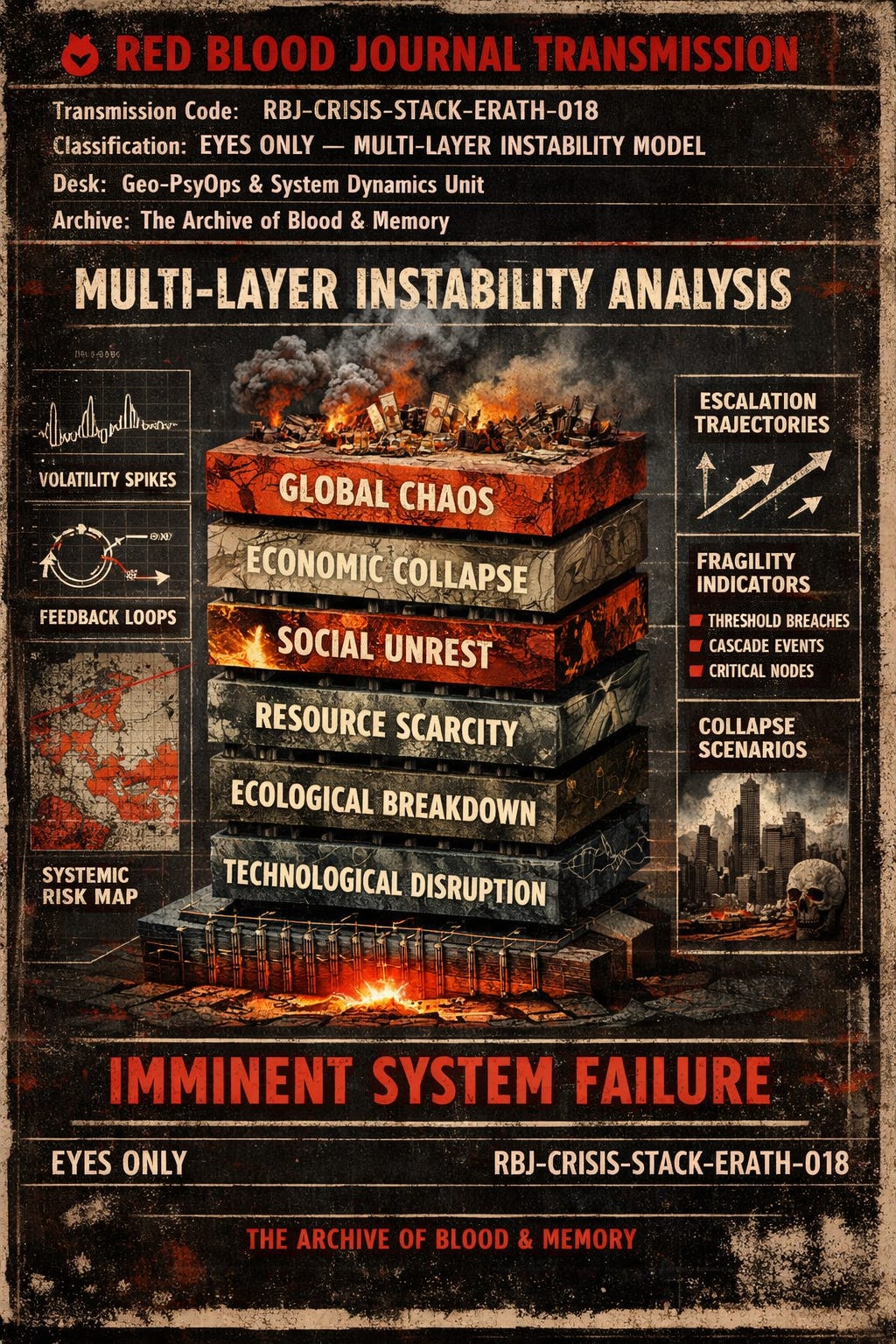
🩸 RED BLOOD JOURNAL TRANSMISSION
Transmission Code: RBJ-CRISIS-STACK-ERATH-018
Classification: EYES ONLY — MULTI-LAYER INSTABILITY MODEL
Desk: Geo-PsyOps & System Dynamics Unit
Archive: The Archive of Blood & Memory
Why modern systems multiply every crisis
PROLOGUE — The Storm That Multiplies Itself
On the planet Erath, crises rarely arrive alone.
A health emergency appears.
Then a narrative war follows.
Then an identity conflict ignites.
Then trust collapses.
What looks like chaos…
often follows a repeatable pattern:
Crisis → Amplification → Fragmentation → Secondary Crisis → Repeat
Not necessarily because one actor designs it all—
but because modern systems are built to amplify tension faster than they resolve it.
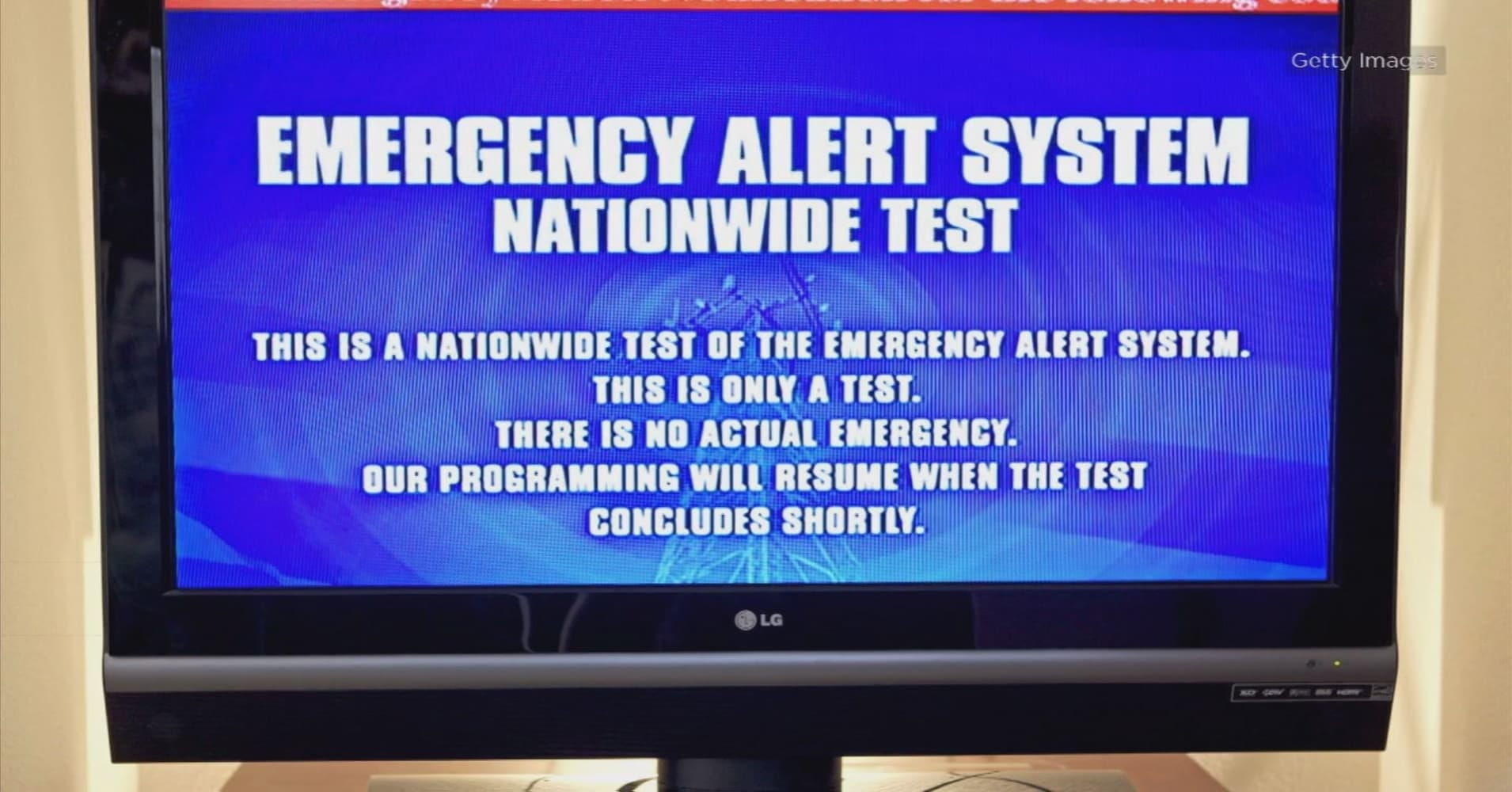
I — The Primary Shock: A Real Event


4
Every cycle begins with something real:
A pandemic
A financial shock
A geopolitical event
These are legitimate disruptions.
But on Erath, the moment the shock occurs, three parallel systems activate:
Information systems (media + platforms)
Institutional response (policy + authority)
Public reaction (fear + interpretation)
From here, the crisis stops being singular.
It becomes multi-layered.
II — Layer One: The Information Surge



4
The first multiplication happens in information space.
Competing narratives emerge
Data changes rapidly
Experts disagree publicly
Platforms reward high-engagement content
Result:
The population experiences not just the crisis—
but confusion about the crisis.
This is where uncertainty turns into:
Anxiety
Distrust
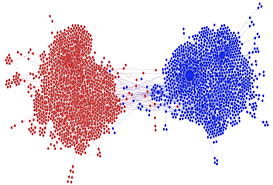
Polarization
III — Layer Two: Identity Attachment

4
Next, positions harden.
What begins as:
“What is happening?”
Becomes:
“What side are you on?”
Issues attach to identity:
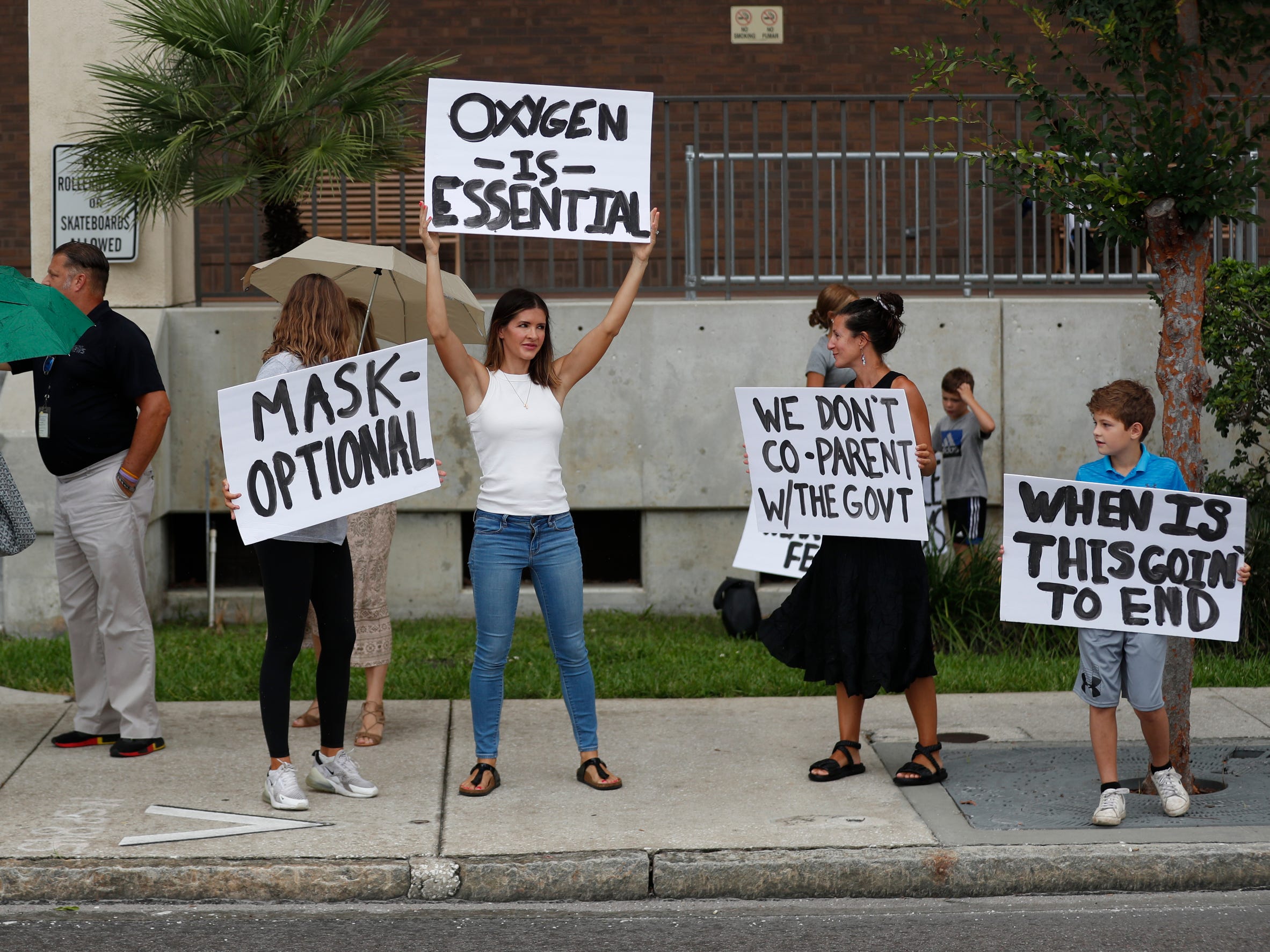
Health decisions become moral signals
Opinions become group membership markers
Disagreement becomes perceived threat
Now the crisis is no longer just external.
It becomes internal to society.
IV — Layer Three: Institutional Escalation



4
Institutions respond under pressure:
Policies tighten
Messaging becomes more forceful
Enforcement increases
Even when intentions are stabilizing, perception can shift:
Some see protection
Others see overreach
This creates a feedback loop:
Public distrust → stronger policy → more distrust
V — Layer Four: Secondary Crises Emerge


4
Now the system generates crises within the crisis:
Economic strain
Mental health decline
Social fragmentation
Educational disruption
Each of these becomes:
A new narrative battlefield
A new identity divider
A new policy challenge
The original crisis is now just one layer among many.
VI — The Stack Effect: Why It Feels Overwhelming


4
On Erath, the population experiences:
Multiple unresolved tensions at once
Conflicting information streams
Rapidly shifting norms
This creates:
Cognitive overload
When people are overwhelmed:
Decision quality drops
Emotional reactions increase
Simplified narratives become more attractive
VII — Is It Weaponized?
This is the critical question.
What can be observed:
Systems reward attention and engagement
Conflict generates more engagement than calm
Strong emotions spread faster than nuance
What sometimes happens:
Certain actors intentionally amplify division
Narratives are framed to mobilize support or opposition
Crises are used to push pre-existing agendas
What is often mistaken:
Not every outcome is centrally orchestrated
Many effects emerge from aligned incentives, not coordination
The key insight:
A system does not need a single mastermind
to produce outcomes that feel engineered.
If incentives favor:
urgency
outrage
division
Then the system will naturally produce:
crisis within crisis within crisis
ANNEX A — The Crisis Multiplication Model
Real Event (shock)
Information Explosion
Identity Alignment
Institutional Response
Secondary Effects
Feedback Loop → restart
ANNEX B — Why It Keeps Repeating
Platforms reward engagement
Institutions react under pressure
Public seeks certainty
Narratives simplify complexity
Each layer reinforces the next.
ANNEX C — The Only Real Countermeasure
On Erath, stability does not come from:
suppressing discussion
or forcing consensus
It comes from:
Slowing interpretation
Separating data from narrative
Avoiding identity attachment to evolving information
Maintaining tolerance for uncertainty
FINAL NOTE — The Illusion of a Single Crisis
The greatest misperception on Erath is this:
That people are living through one crisis at a time.
In reality, they are inside:
overlapping systems
competing narratives
cascading consequences
And the system—by design or by structure—
turns each wave into the next.
🌀The Erath Crisis Multiplication Model
The document describes a systemic cycle of instability on the planet Erath, where an initial disruption inevitably escalates into a multi-layered catastrophe.
Rather than remaining a singular event, a primary shock is amplified by digital information streams and the hardening of social identities, causing the public to prioritize tribal loyalty over factual reality.
As institutions struggle to react, their interventions often trigger a feedback loop of distrust and secondary societal crises that overwhelm the population’s cognitive capacity.
The model suggests this cascading chaos is driven more by structural incentives—such as platforms rewarding outrage—than by any single mastermind.
Ultimately, the text argues that true stability requires resisting narrative simplification and detaching personal identity from rapidly changing events to break the cycle of perpetual crisis.


