


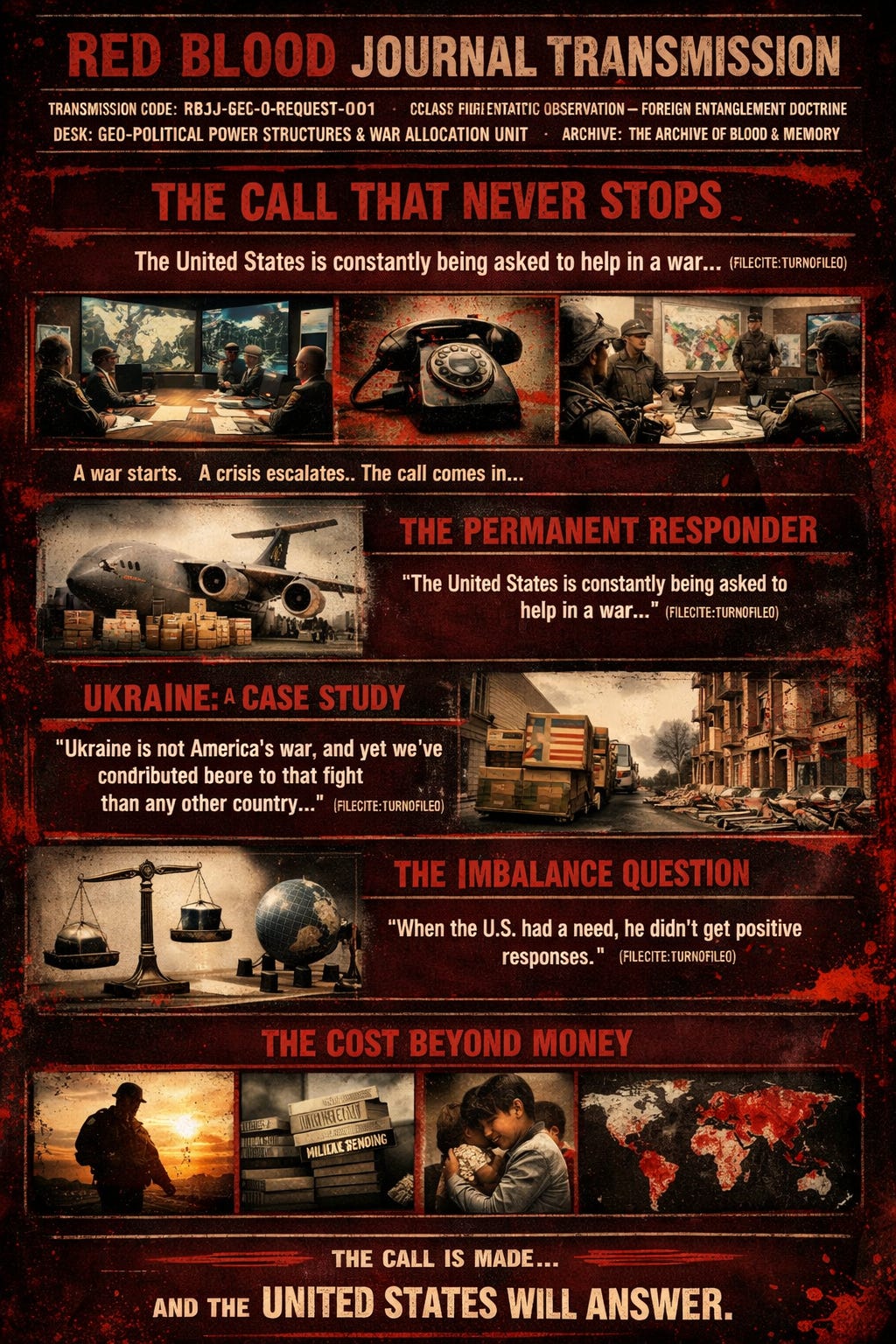
🩸 RED BLOOD JOURNAL TRANSMISSION
Transmission Code: RBJ-GEO-REQUEST-001
Classification: Strategic Observation — Foreign Entanglement Doctrine
Desk: Geo-Political Power Structures & War Allocation Unit
Archive: The Archive of Blood & Memory
PROLOGUE — THE CALL THAT NEVER STOPS

4
There is a pattern that rarely gets stated plainly, yet repeats with precision:
A war begins somewhere far away.
A crisis escalates.
A call is made.
And more often than not — that call is directed toward the same destination.
I — THE PERMANENT RESPONDER
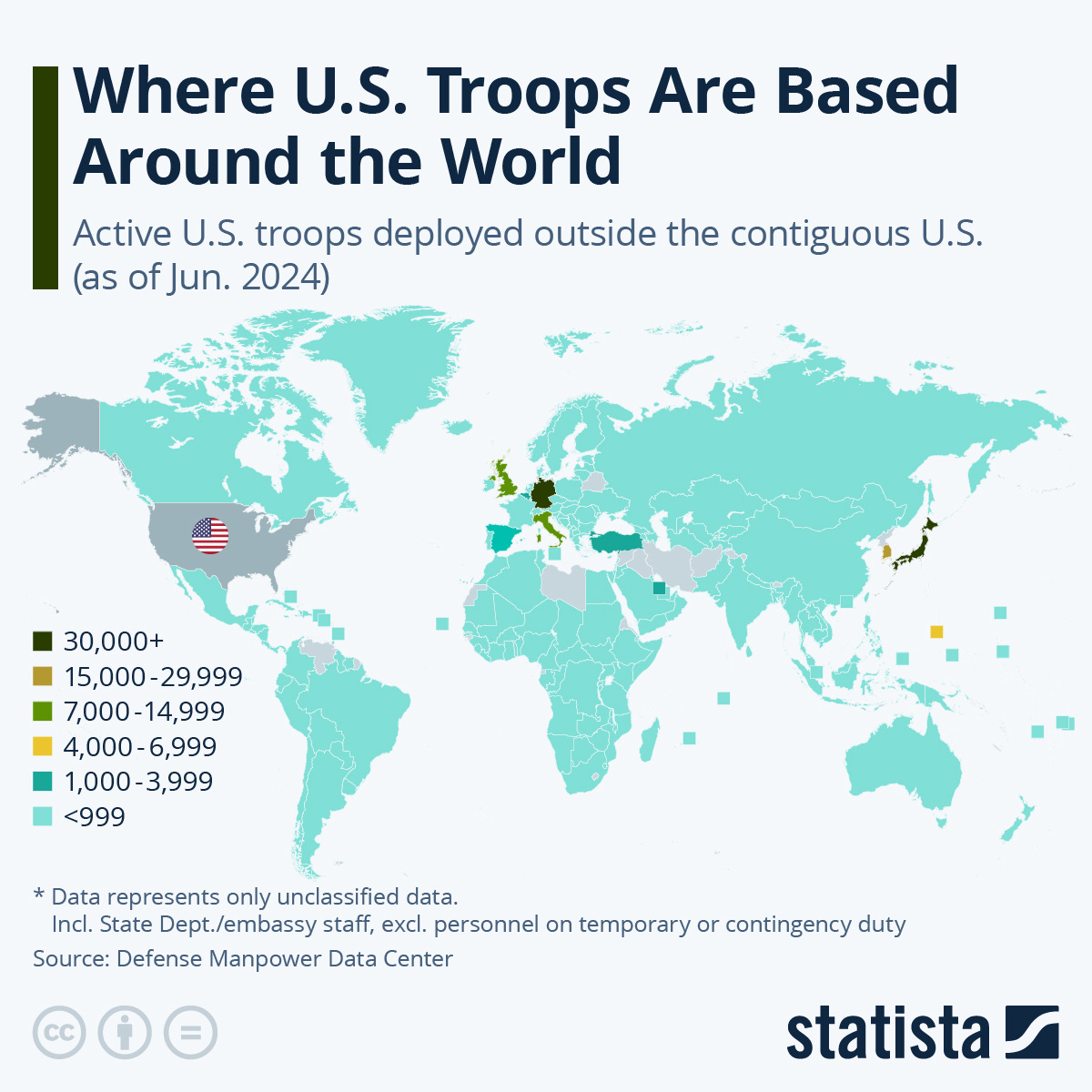
At the center of the modern global system sits a nation that is not merely a participant—but a default responder.
“The United States is constantly being asked to help in a war… more than any other country in the world…”
This is not an isolated opinion. It reflects a broader structural reality:
Conflicts erupt across continents
Alliances activate expectations
Military, financial, and logistical support flows outward
The system has evolved into something deeper than alliance—it resembles dependency architecture.
II — UKRAINE AS A CASE STUDY
4
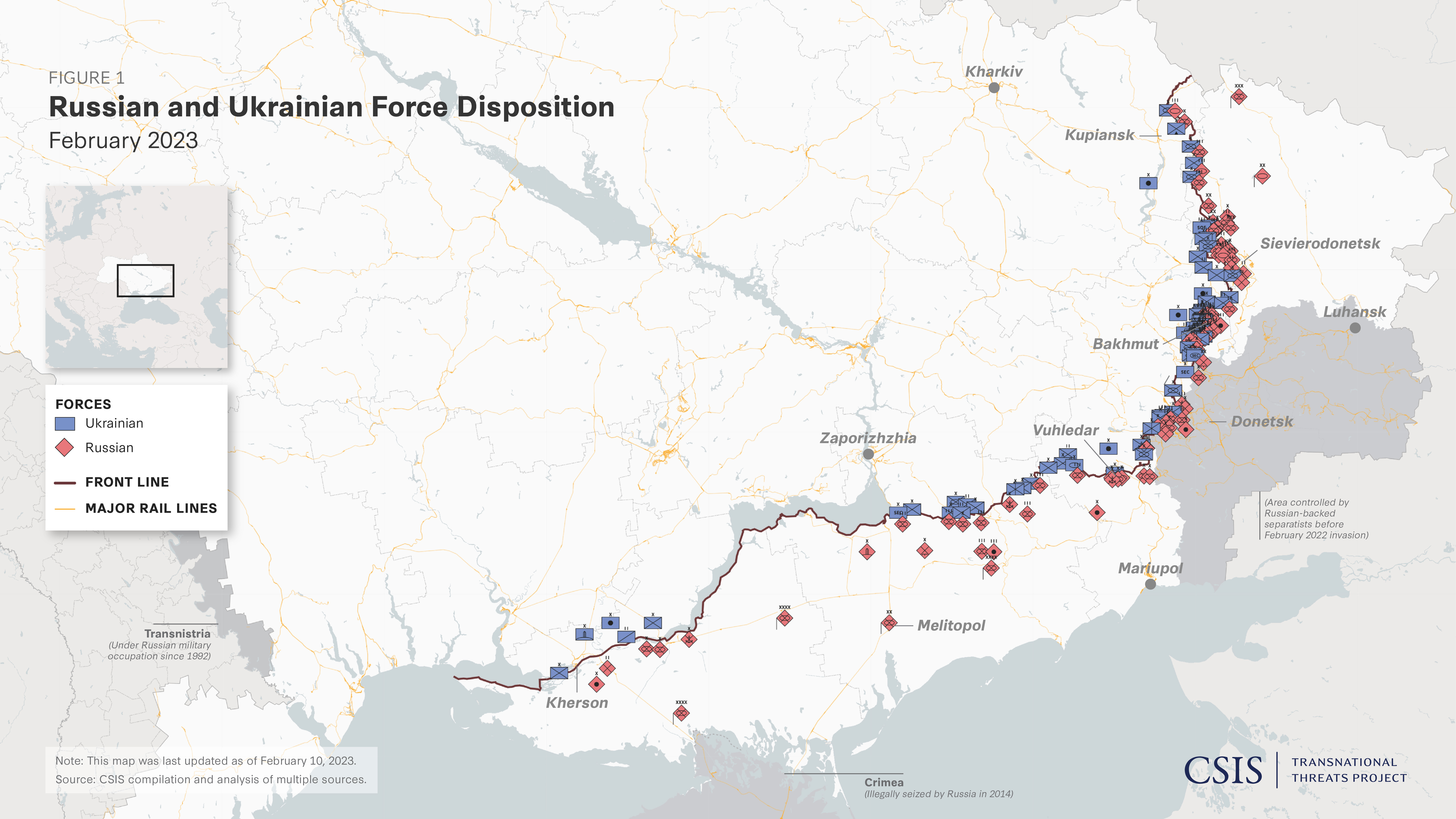
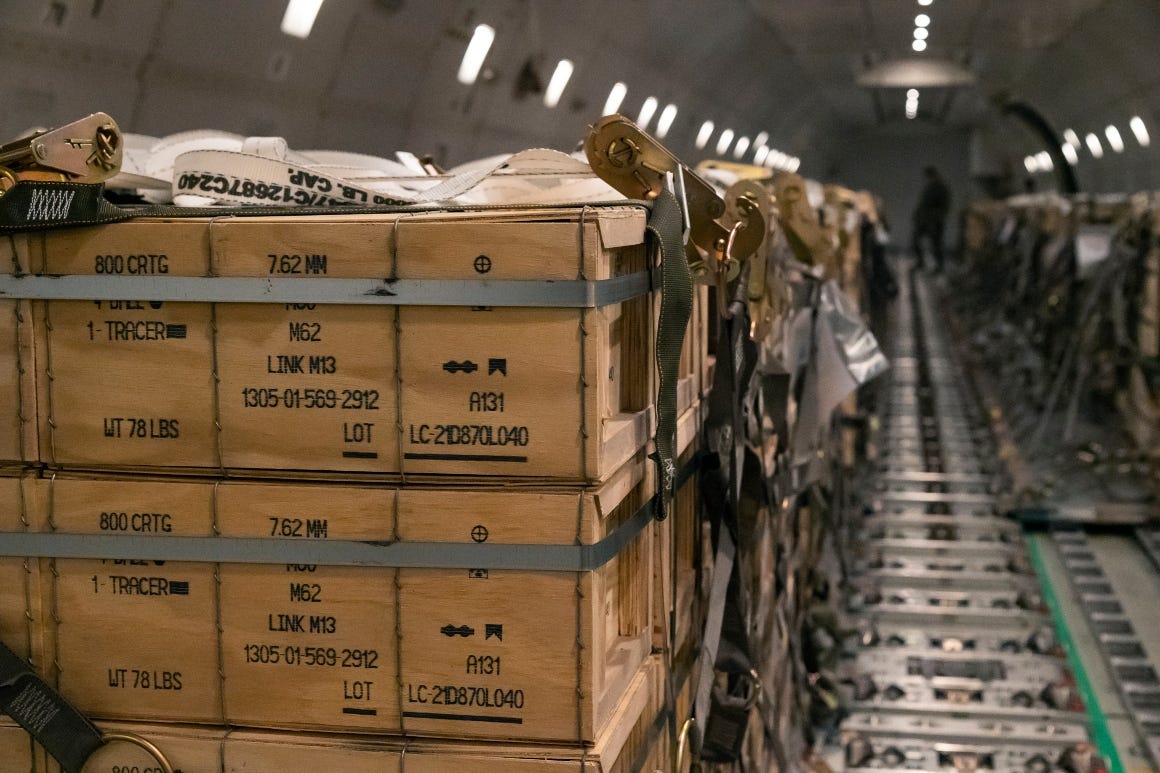
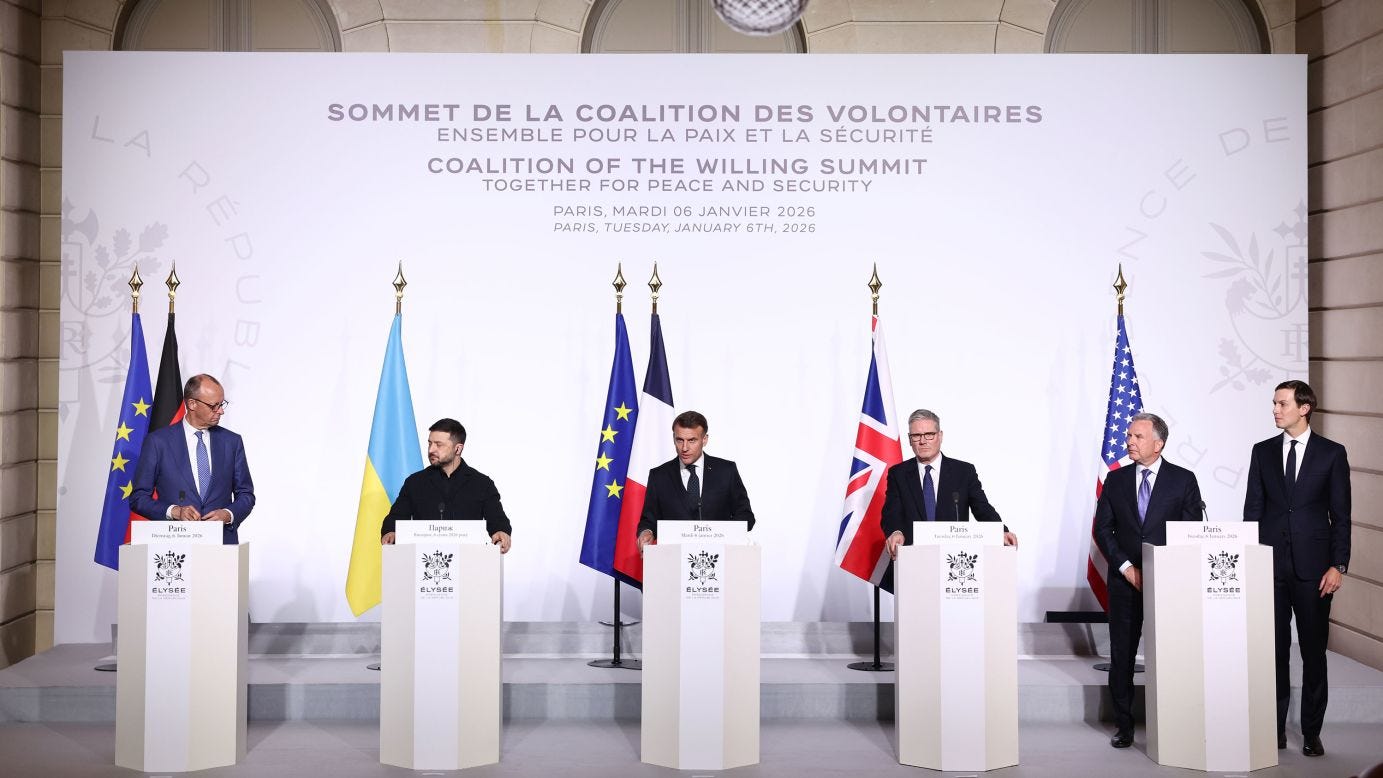
The war in Ukraine illustrates the pattern clearly:
A regional conflict
Located outside U.S. borders
Yet receiving the largest share of external support from the U.S.
“Ukraine is not America’s war, and yet we’ve contributed more to that fight than any other country…”
At the same time, a tension emerges:
Some European leaders initially framed it as not their war
Yet the expectation of U.S. involvement remained constant
This creates a paradox:
The war is regional — the responsibility becomes global — the burden concentrates.
III — THE IMBALANCE QUESTION

4
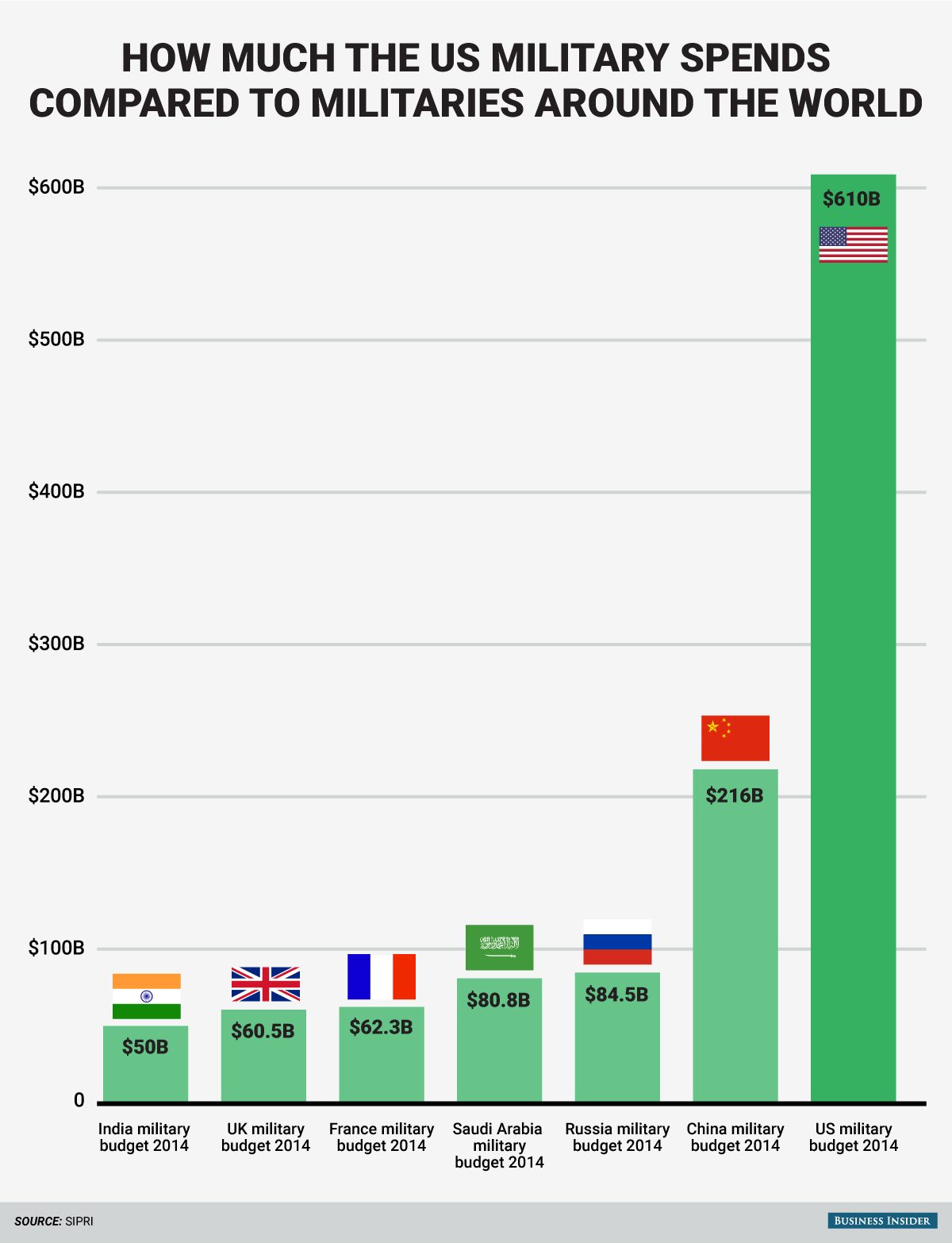
The deeper issue is not simply participation—but reciprocity.
“When the U.S. had a need, he didn’t get positive responses.”
This raises a critical question within the system:
Is this a network of mutual defense?
Or a structure where one node absorbs disproportionate obligation?
In strategic terms, this becomes:
Asymmetric Expectation vs. Symmetric Commitment
IV — THE UNWRITTEN DOCTRINE
Over time, an unwritten doctrine appears to form:
Crisis Anywhere → U.S. Engagement Expected
Allies Contribute → But Not Equally
Global Stability → Anchored by One Power
This is not officially declared.
It is enforced through repetition.
And repetition becomes policy.
V — THE COST BEYOND MONEY

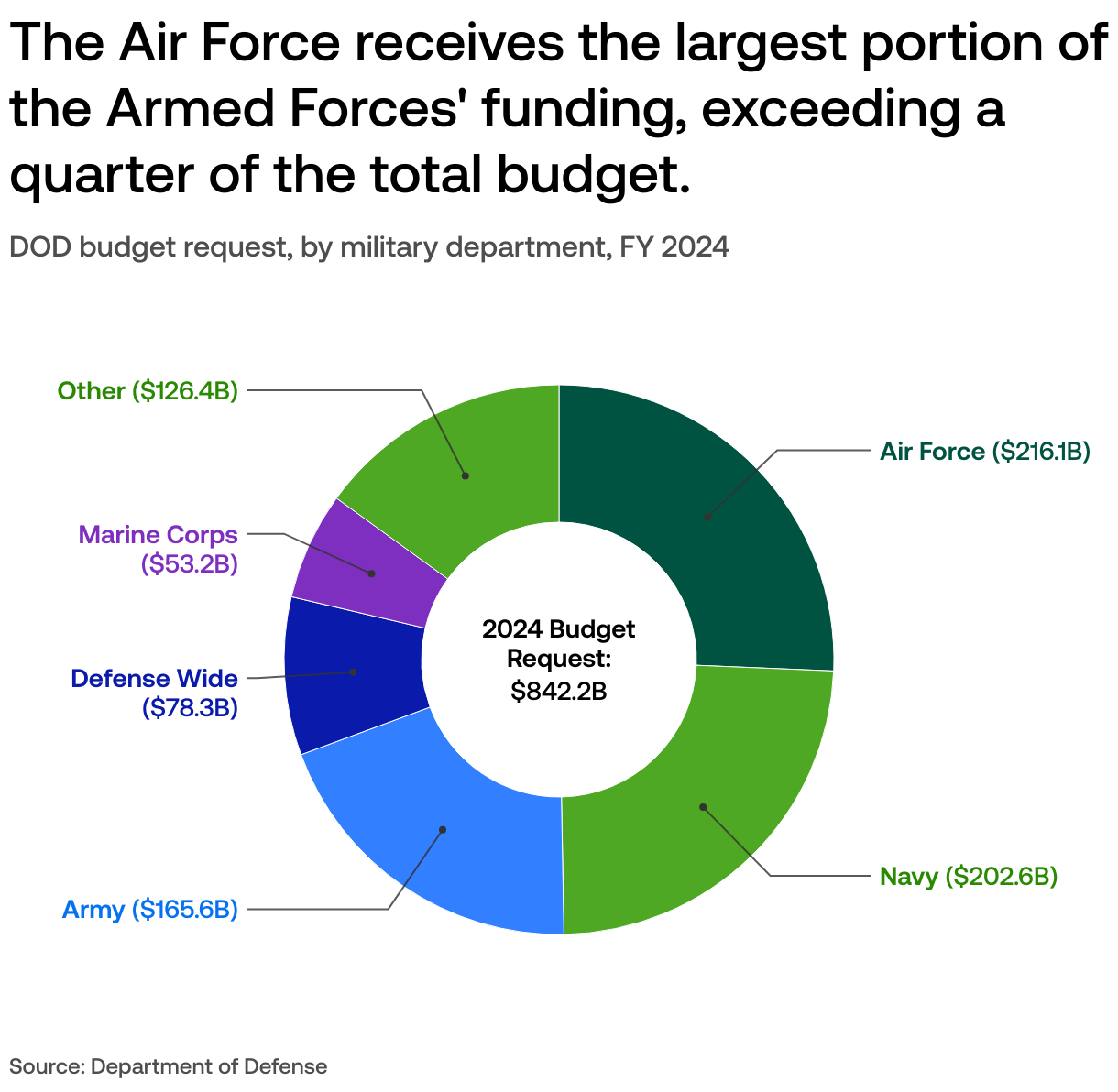

4
The cost is often framed in dollars—but the deeper costs include:
Strategic overextension
Domestic fatigue
Political division
Long-term global dependency cycles
The more a system relies on a single stabilizer,
the less incentive others have to stabilize themselves.
VI — THE STRATEGIC CROSSROADS
This leads to a pivotal decision point:
Continue as the default responder
Or redefine the terms of engagement
“It’ll be something to examine… the president will have to take into account down the road.”
The question is no longer whether the U.S. is involved.
The question is:
Should involvement remain automatic?
ANNEX A — THE GLOBAL RESPONSE LOOP
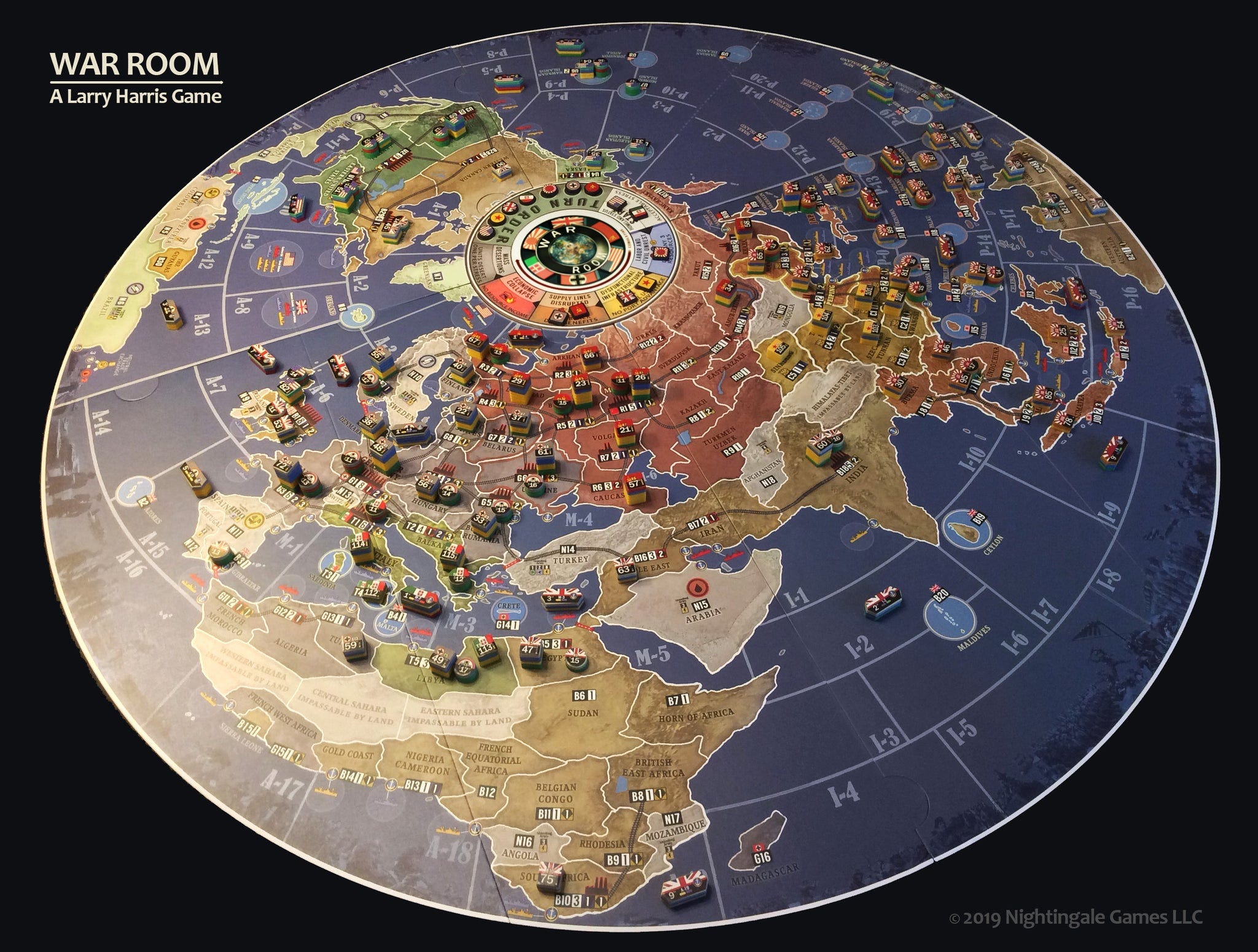
Trigger → Escalation → Appeal → U.S. Response → Stabilization → Repeat
A cycle reinforced by decades of precedent.
ANNEX B — THE ALLIANCE PARADOX
Allies expect protection
Protection reduces urgency for self-reliance
Reduced self-reliance increases dependence
Dependence reinforces expectation
A closed loop.
FINAL NOTE — THE SILENT EXPECTATION
There is no global announcement.
No official doctrine carved in stone.
Yet the pattern is visible:
When conflict rises…
when systems strain…
when uncertainty spreads…
The call is made.
And the assumption is already built in:
The United States will answer.
🇺🇸 The Default Responder:
Architecture of Asymmetric Alliance
The provided text examines a geopolitical phenomenon where the United States serves as the automatic primary responder to international conflicts and crises.
This systemic framework creates a dependency architecture, illustrated by the war in Ukraine, where global expectations for American military and financial aid often outweigh the contributions of regional allies.
A significant tension exists because this asymmetric commitment places a disproportionate burden on one nation while potentially discouraging other countries from developing their own self-reliance.
Over time, this recurring pattern has solidified into an unwritten doctrine that links global stability to a single power’s intervention.
Consequently, the document suggests that this cycle leads to strategic overextension and internal fatigue, prompting a need to reevaluate whether such involvement should remain guaranteed.
Ultimately, the narrative questions the sustainability of a global order that relies on a closed loop of constant American stabilization.


