


🩸PART III
THE POLITICS OF MARTYRDOM
From Karbala to Modern Revolutions
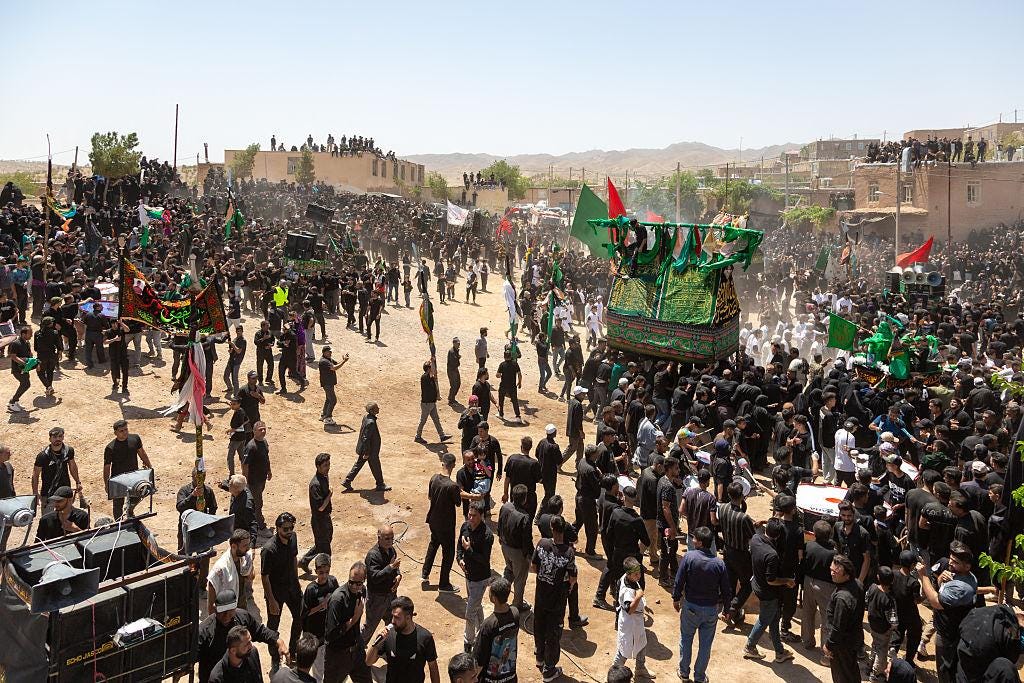
Weaponizing the memory of Karbala
PROLOGUE — THE MEMORY THAT NEVER DIED
The story of Karbala did not fade.
For over a thousand years it lived inside religious ritual.
Inside poetry.
Inside mourning ceremonies.
Inside collective identity.
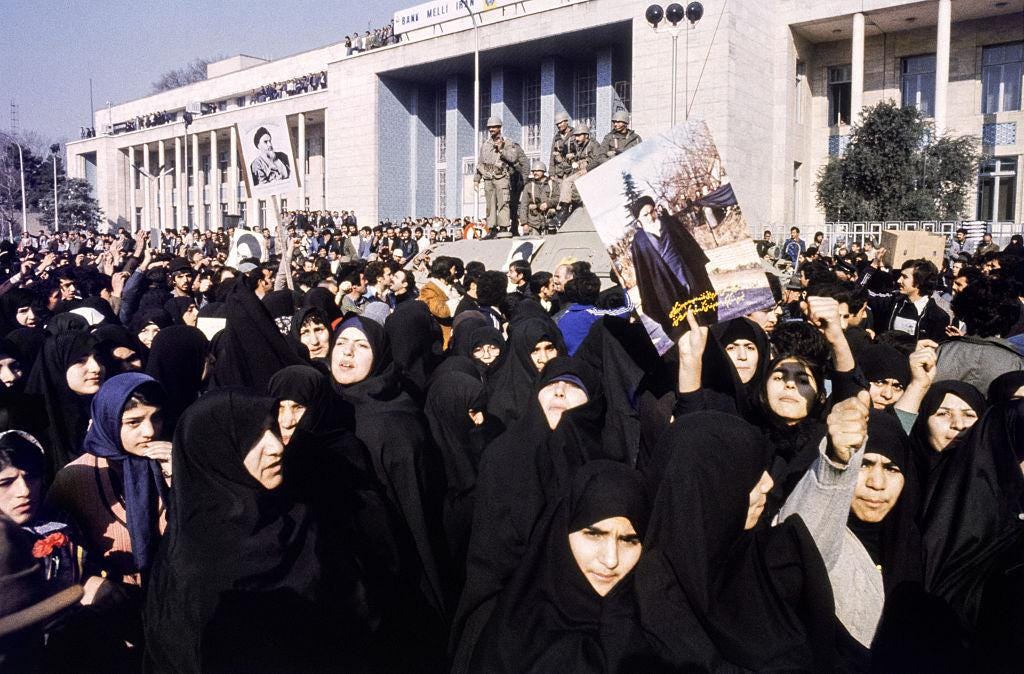
When political revolution arrived in Iran, that memory became a weapon.
I — REVOLUTIONARY SYMBOLISM
The Iranian Revolution used religious symbolism to mobilize mass resistance.
Protesters framed their struggle as a reenactment of Karbala.
The tyrant.
The martyr.
The sacrifice.
History became prophecy.
II — WAR AND MARTYRDOM
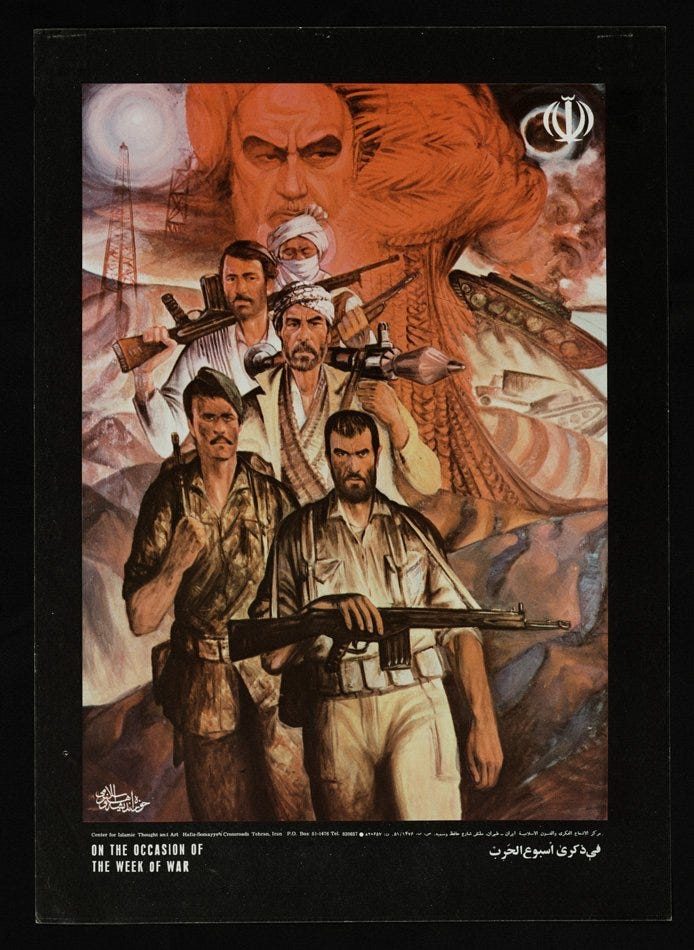
During the Iran–Iraq War, martyr narratives intensified.
Young volunteers marched into battle believing they were continuing the sacrifice of Husayn.
For many, death was not defeat.
It was fulfillment.
RBJ ANALYSIS NOTE
Martyrdom narratives function as psychological force multipliers.
They allow small groups to confront larger powers without fear.
NEXT TRANSMISSION
PART IV — THE GLOBAL GAME
How world powers manipulate ideology, religion, and conflict.
🚩The Karbala Catalyst:
Martyrdom as a Revolutionary Weapon
The provided text examines how the historical event of Karbala transitioned from a religious memory into a potent political instrument during modern conflicts.
It describes how the Iranian Revolution leveraged the themes of martyrdom and sacrifice to galvanize public resistance against perceived tyranny.
This narrative transformed historical figures into symbolic archetypes, effectively turning ancient rituals into a framework for contemporary revolutionary action.
Furthermore, the source highlights how these ideologies served as a psychological force multiplier during the Iran-Iraq War, encouraging volunteers to view death as a spiritual victory.
Ultimately, the analysis suggests that such religious symbolism allows smaller movements to challenge superior military powers by eliminating the fear of mortality.


