


PART II
THE FIRST GREAT DIVISION
The Succession Crisis That Divided Islam
How Martyrdom Breaks the Rules of War
4
PROLOGUE — A DISPUTE AFTER A PROPHET
In 632 CE the Prophet Muhammad died.
His passing left a single unanswered question.
Who should lead the Muslim community?
The answer would fracture a civilization.
I — TWO VISIONS OF AUTHORITY
One group believed leadership should be determined through community consensus.
They supported Abu Bakr, a close companion of Muhammad.
Another group believed authority belonged within the Prophet’s family.
They supported Ali ibn Abi Talib, his cousin and son-in-law.
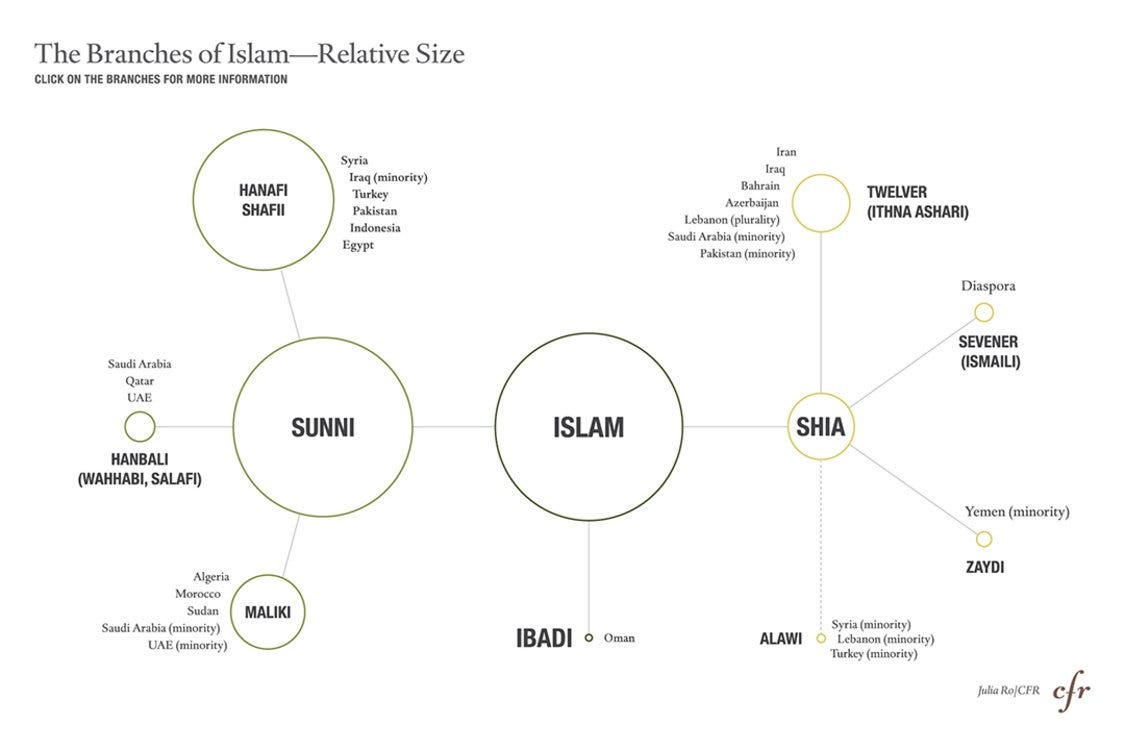
From this disagreement emerged two traditions.
Sunni Islam
Shia Islam
What began as a political dispute would evolve into one of history’s deepest religious divisions.
II — THE MARTYRDOM THAT SHAPED A CIVILIZATION
The defining moment occurred in 680 CE.
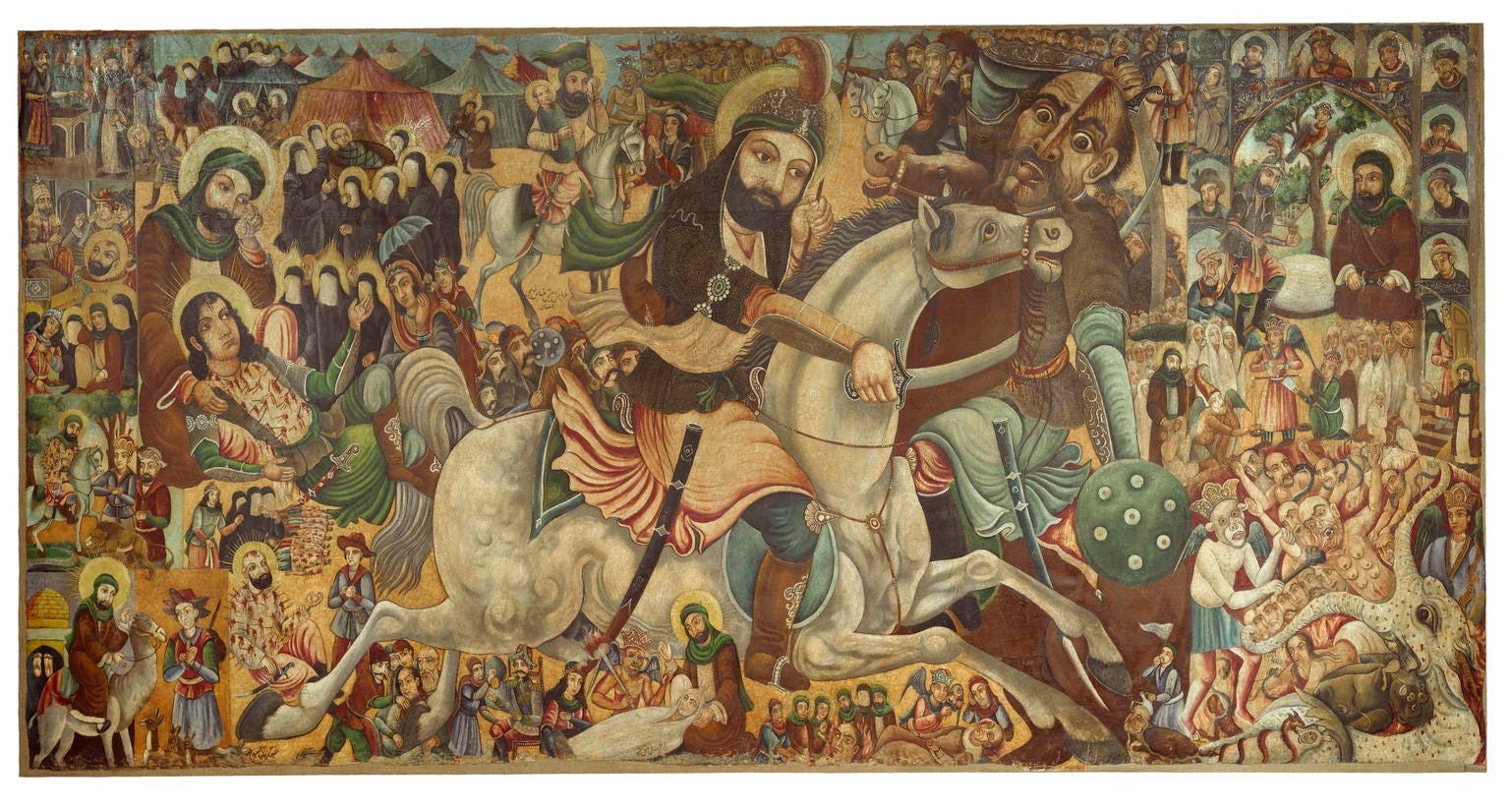
At the Battle of Karbala,
Husayn ibn Ali was killed while opposing the ruling caliph.
For Shia believers this event became more than history.
It became a symbol.
The eternal story of standing against tyranny even in defeat.
RBJ ANALYSIS NOTE
Narratives of martyrdom possess enormous psychological power.
They transform loss into sacred triumph.
They teach generations that death for justice is victory.
NEXT TRANSMISSION
PART III — THE POLITICS OF MARTYRDOM
How revolutionary leaders turned ancient religious symbolism into modern political mobilization.
⚔️Seeds of the Schism:
Succession and Sacred Sacrifice
Following the death of the Prophet Muhammad in 632 CE, the Muslim community faced a critical leadership vacuum that triggered a permanent religious and political divide.
One faction advocated for community consensus, leading to the rise of Sunni Islam, while another insisted that authority remain within the Prophet’s direct bloodline, forming the foundation of Shia Islam.
This initial disagreement over succession intensified significantly during the Battle of Karbala in 680 CE. The death of Husayn ibn (Son of) Ali during this conflict established a powerful narrative of martyrdom that remains a central pillar of Shia identity.
Ultimately, these historical events transformed a political dispute into a sacred struggle against tyranny.
Today, the psychological impact of these ancient sacrifices continues to serve as a potent tool for modern political mobilization.


