


🩸 RED BLOOD JOURNAL TRANSMISSION
Transmission Code: RBJ-ECON-EXTRACTION-ERATH-026
Classification: EYES ONLY — STRUCTURAL POWER ANALYSIS
Desk: Civilization & Power Structures Unit
Archive: The Archive of Blood & Memory
Why Workers Fund Their Own Replacement?
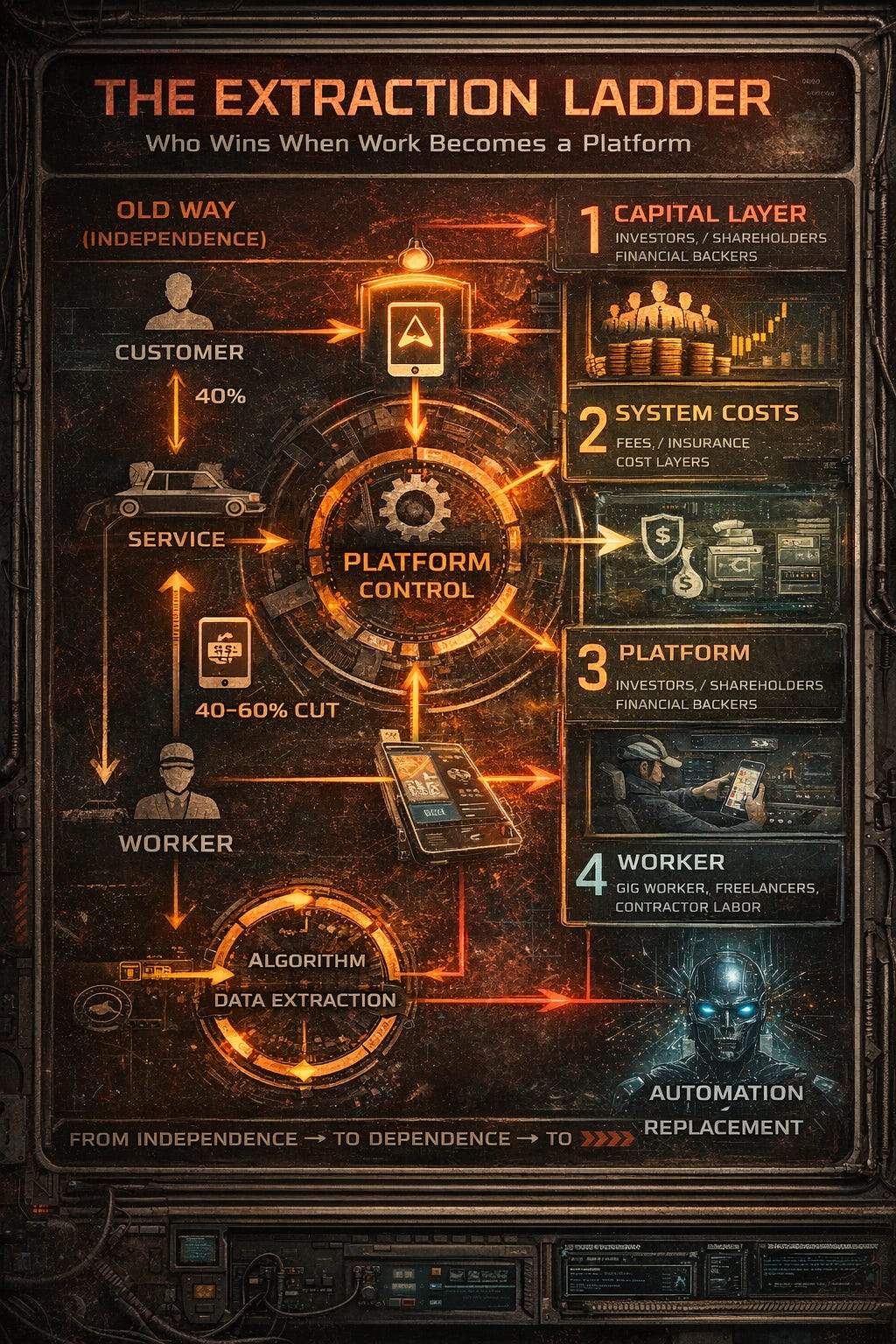
THE EXTRACTION LADDER
Who Wins When Work Becomes a Platform
PROLOGUE — THE SHIFT THAT WASN’T ANNOUNCED
On the surface, nothing seemed to change.
The driver still drove.
The worker still worked.
The customer still paid.
But beneath the surface of Planet Erath, something fundamental was rewritten:
The worker no longer sold a service.
The worker entered a system.
And inside that system…
the rules were no longer visible.
I — THE OLD WORLD: WHEN WORK MEANT OWNERSHIP


Before the platforms, the structure was simple:
A tool (car, skill, trade)
A cost (fuel, rent, dispatch)
A customer (direct or semi-direct)
The equation:
Effort → Value → Income (kept mostly by the worker)
The system took a fee…
but it did not take control.
II — THE INSERTION: THE PLATFORM ARRIVES
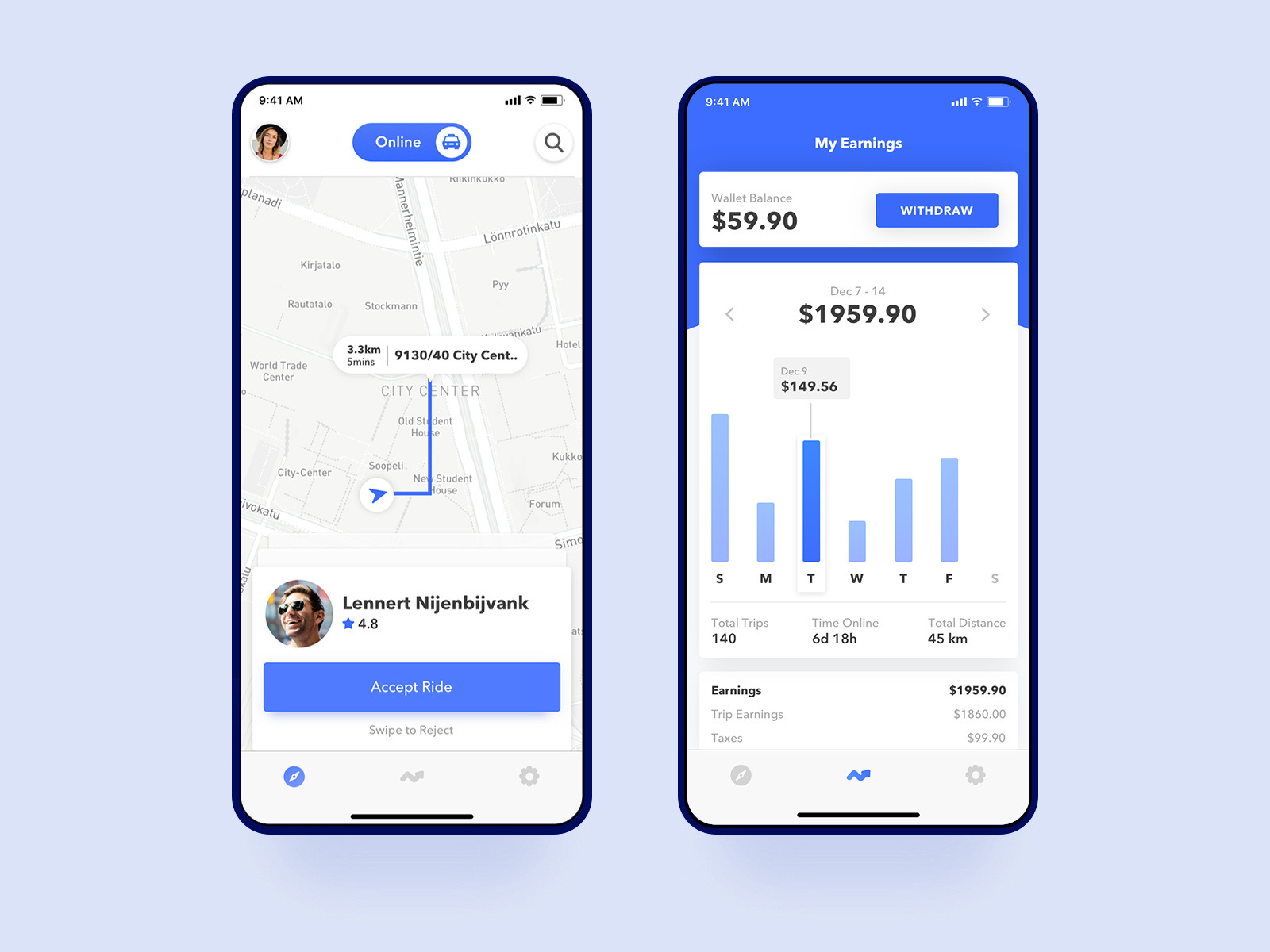
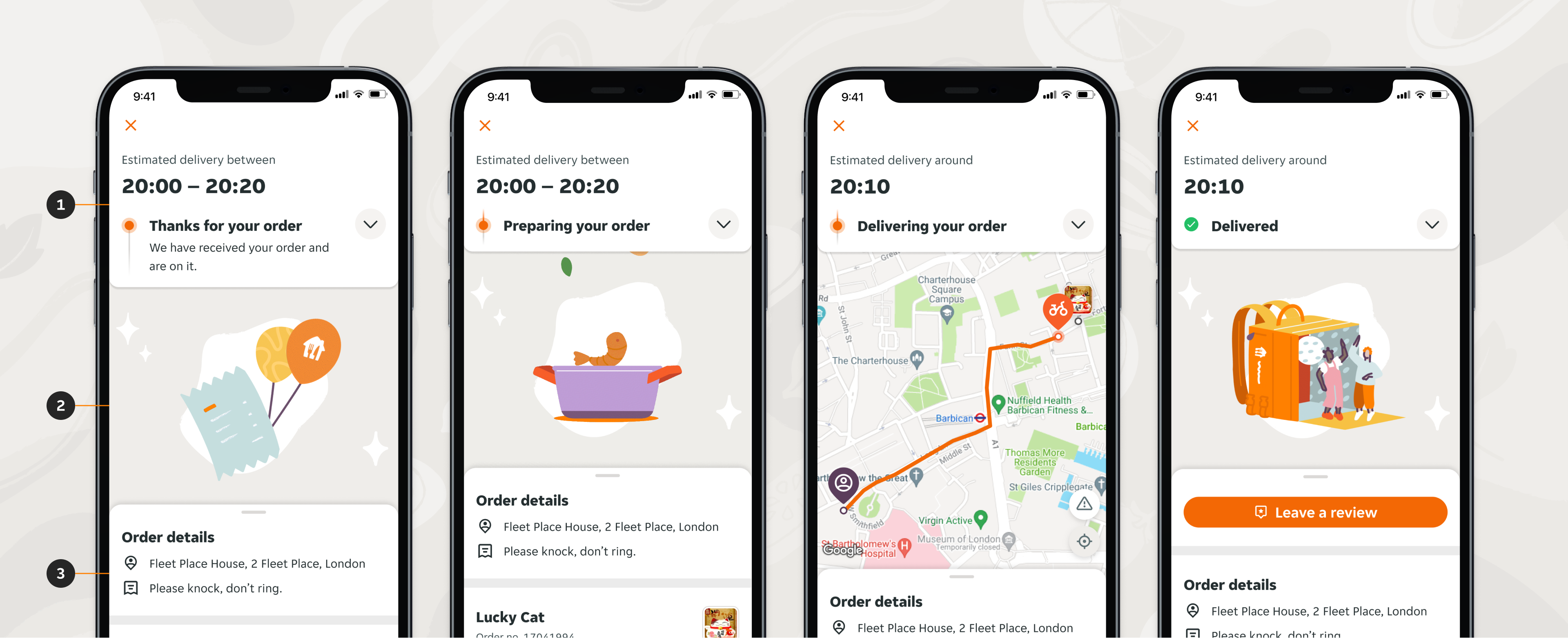
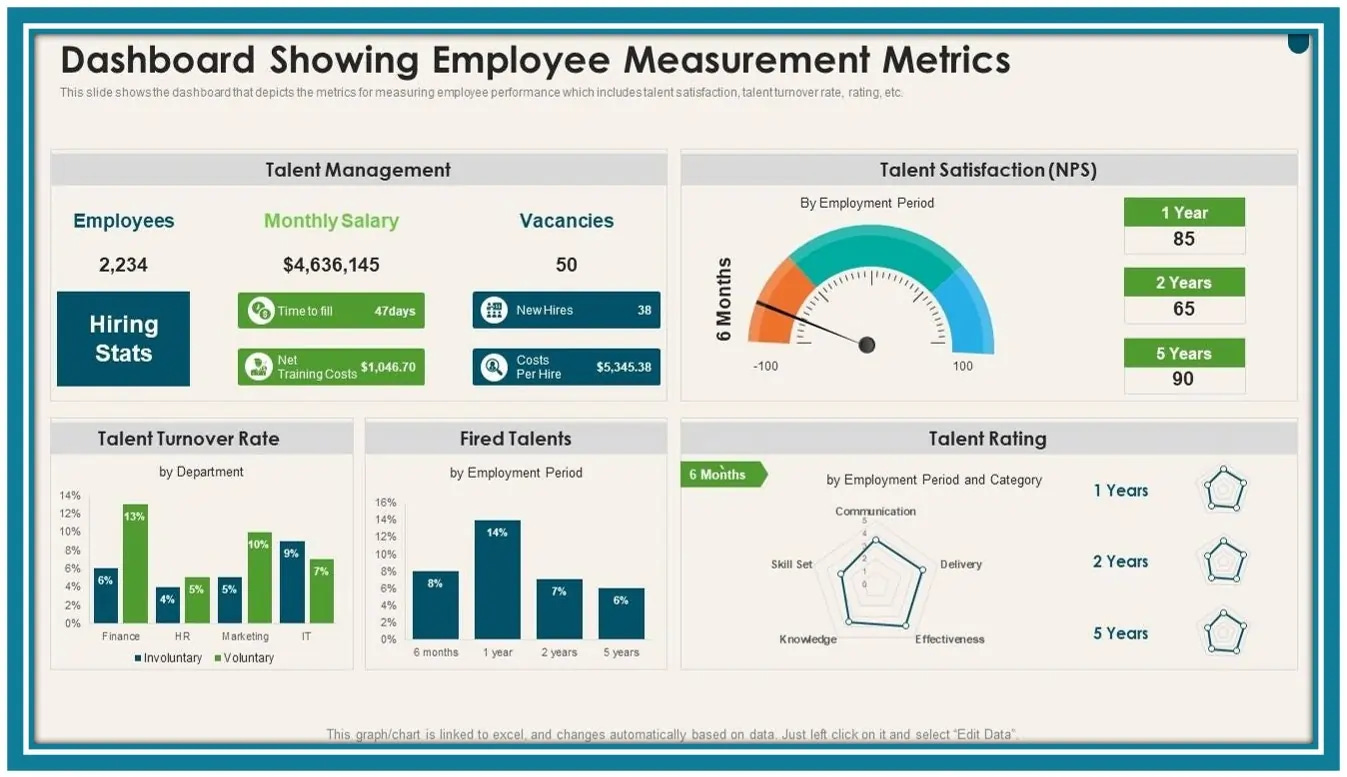
Then came the “upgrade.”
A layer inserted itself between:
Worker ↔ Customer
It promised:
More demand
More efficiency
More opportunity
But the hidden change was this:
The platform became the gatekeeper of access
The new equation:
Effort → Platform → Algorithm → Income (filtered)
III — THE EXTRACTION LADDER
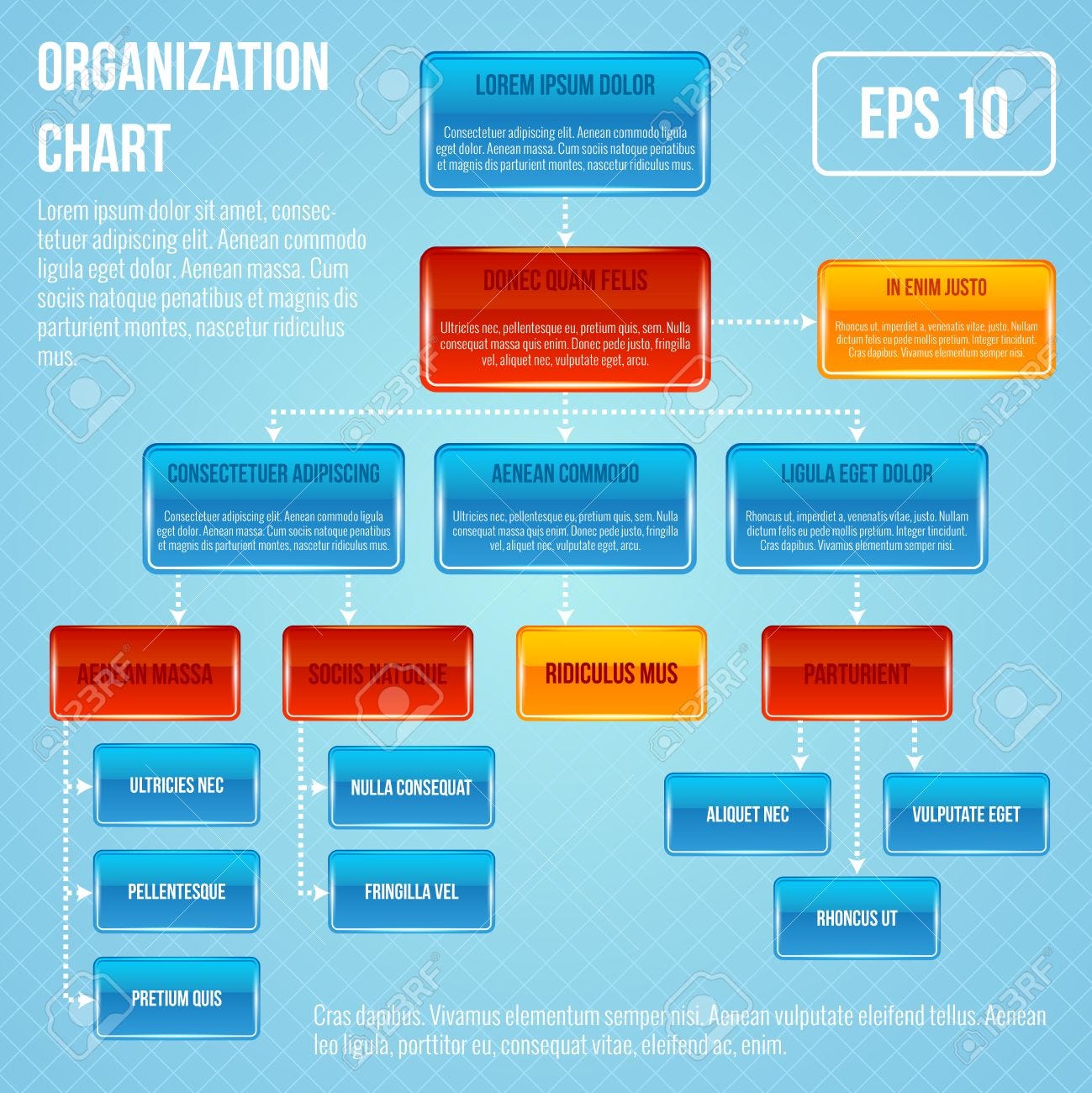
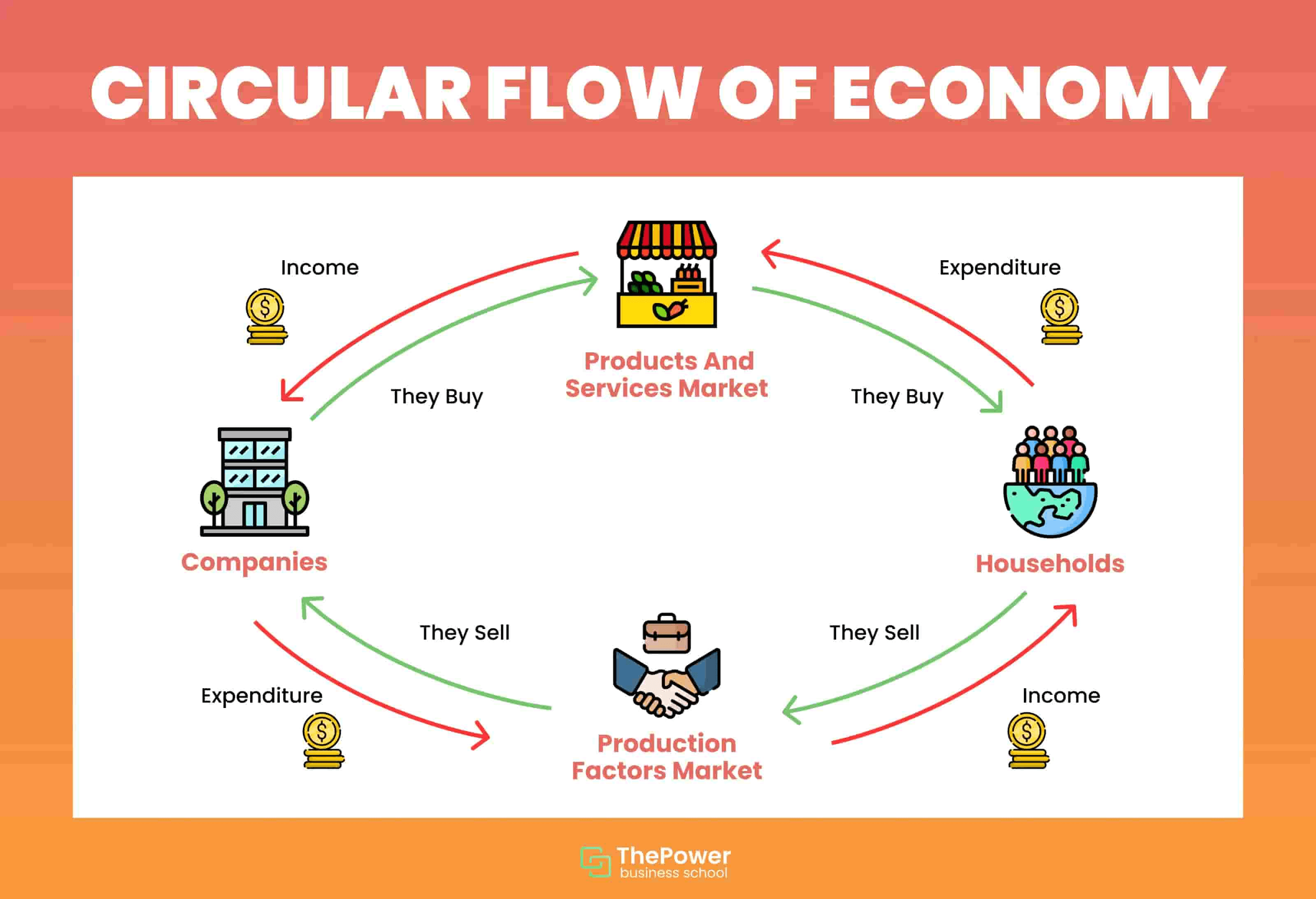
Once the platform controls access…
it builds a ladder.
Level 1 — The Worker
Performs the labor
Carries the cost
Receives the smallest share
Level 2 — The Platform
Controls demand
Sets rules
Takes a percentage from every transaction
Level 3 — The System Costs
Fees, insurance, infrastructure
The least transparent layer
Level 4 — The Capital Layer
Investors
Shareholders
Financial backers
They do not participate in the work…
but receive the largest long-term benefit.
IV — THE INVISIBLE MECHANISM
The system does not announce control.
It uses:
Algorithms instead of managers
Ratings instead of supervision
Incentives instead of orders
The worker feels “free”…
But operates inside:
A controlled environment with invisible boundaries
V — THE TRANSFORMATION OF THE WORKER

4
On Erath, the worker changes form:
Then:
Operator
Skilled
Semi-independent
Now:
Participant
Measured
Replaceable
VI — THE NEXT STEP: REPLACEMENT
The platform does not stop at control.
It evolves toward:
Automation
AI decision systems
Removal of human dependency
Because once the work is digitized…
The worker becomes optional.
VII — WHO BENEFITS
At the top of the ladder:
Platform owners
Capital providers
System architects
They gain:
Continuous revenue streams
Scalable control
Minimal operational burden
VIII — WHO DESCENDS
At the base:
Independent workers
Skilled trades entering platforms
Traditional middle-class roles
They experience:
Reduced control
Variable income
Increasing competition
ANNEX A — THE EXTRACTION FLOW MODEL
Old System:
Customer → Worker → Fixed Cost
Platform System:
Customer → Platform → (Fees + Cuts + Costs) → Worker
ANNEX B — THE CONTROL LOOP
Step 1: Centralize demand
Step 2: Control access
Step 3: Introduce percentage extraction
Step 4: Expand supply (more workers)
Step 5: Reduce individual leverage
Step 6: Prepare for automation
→ Repeat
ANNEX C — THE DRIVER CASE (FIELD OBSERVATION)
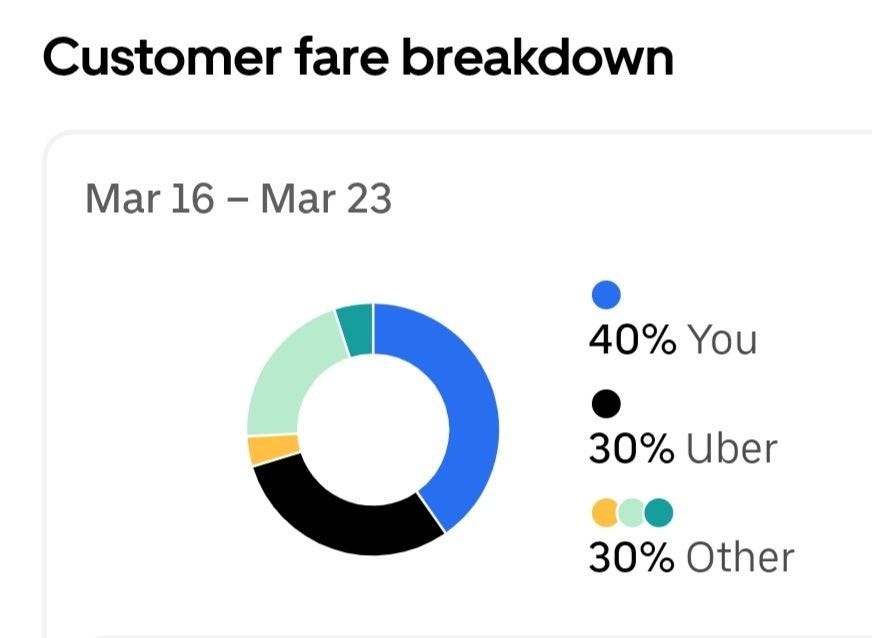
Observed split:
Worker: ~40%
System: ~60%
This confirms:
The platform economy is not a service model…
It is an extraction model
FINAL ASSESSMENT — THE LADDER IS NOT BROKEN
It is functioning exactly as designed.
It centralizes
It scales
It extracts
The question is not whether it works.
The question is:
Who does it work for?
CLOSING LINE
On Planet Erath…
The worker did not disappear.
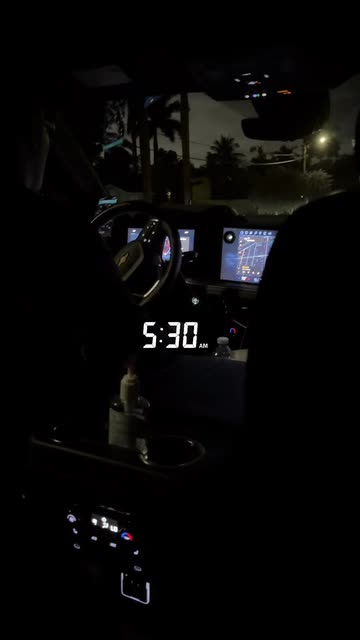
He remained behind the wheel—
watching the road—
While the system quietly took the map.
🕸️The Extraction Ladder:
From Independence to Platform Dependence
The provided text explores the economic shift from traditional independent work to a modern platform-dependent model, using the evolution of the taxi industry as a primary case study.
It illustrates how companies like Uber have replaced predictable, flat-fee systems with algorithmic control and variable revenue extraction that can take up to 60% of a customer’s fare.
This transition is framed as a broader global pattern affecting various industries, where digital intermediaries gradually strip workers of their pricing power and customer relationships.
The narrative warns that this “extraction ladder” moves through distinct phases, beginning with centralized control and eventually leading to human obsolescence through AI and automation.
Ultimately, the sources suggest that true independence for laborers can only be reclaimed by owning the infrastructure and bypassing these digital gatekeepers.
This analysis serves as a critique of how the current technological road prioritizes investor profit and system scalability over worker stability.


