


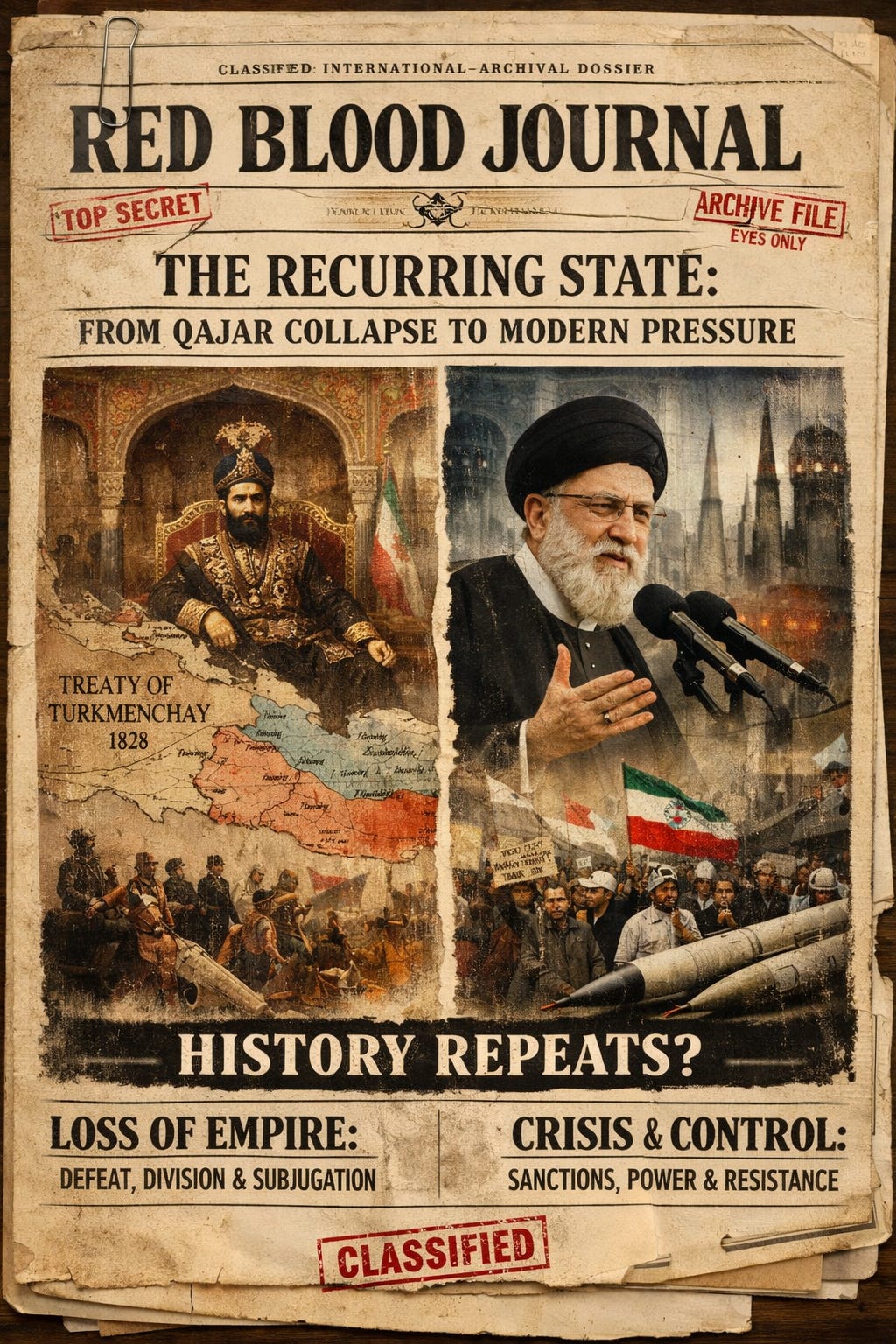
🩸 RED BLOOD JOURNAL TRANSMISSION
Archive: The Archive of Blood & Memory
Transmission Code: RBJ-2026-RECURRING-STATE-PROTOCOL
Classification: Structural Power Analysis — Systemic Adaptation Failure
Desk: Geopolitical Pattern Recognition Unit
Status: Active Transmission — Analytical Brief
🎬 FRONT PAGE VISUAL — “THE RECURRING STATE”
4
PROLOGUE — THE ECHO THAT DOES NOT DIE
On the planet Erath, history does not repeat in words.
It repeats in structures.
Empires change names.
Leaders change faces.
Flags change colors.
But the underlying architecture—the behavior of power under pressure—remains eerily constant.
The question is not whether Iran repeats its past.
The question is whether the system recognizes the pattern before the cost is extracted again.
SECTION I — THE FIRST FRACTURE (QAJAR ERA)
Under the Qajar dynasty, the state appeared intact—but internally hollow.
Observed Conditions
Fragmented authority
Weak military modernization
Strategic miscalculations
Against this stood the expanding force of the Russian Empire.
The result was not gradual decline—it was surgical loss.
Extraction Events
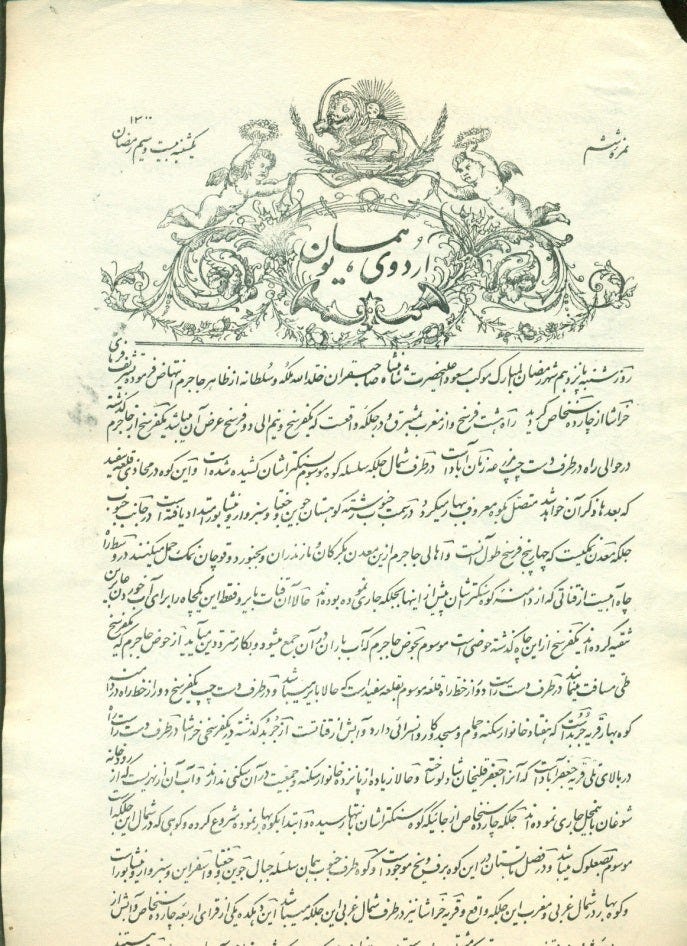
Treaty of Gulistan
Treaty of Turkmenchay
These were not agreements.
They were confirmations of defeat.
Outcome
Permanent territorial loss
Foreign influence embedded inside sovereignty
A psychological scar that would outlive the dynasty itself
SECTION II — THE MODERN FORM (ISLAMIC REPUBLIC ERA)
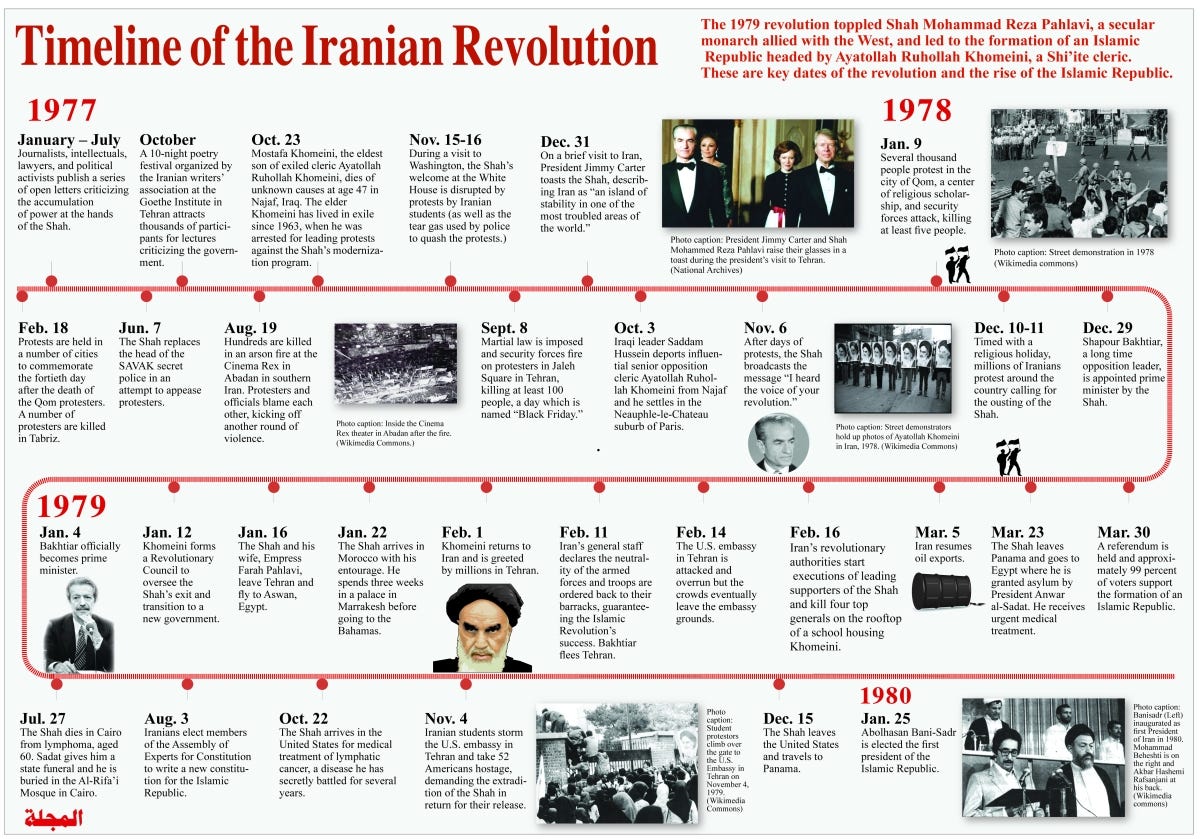
After the Iranian Revolution, a new system emerged.
Not weaker—but more controlled.
Not fragmented—but ideologically centralized.
Observed Conditions
Strong internal security structure
Religious-political fusion of authority
High resistance to external influence
Yet pressure did not disappear.
It changed form.
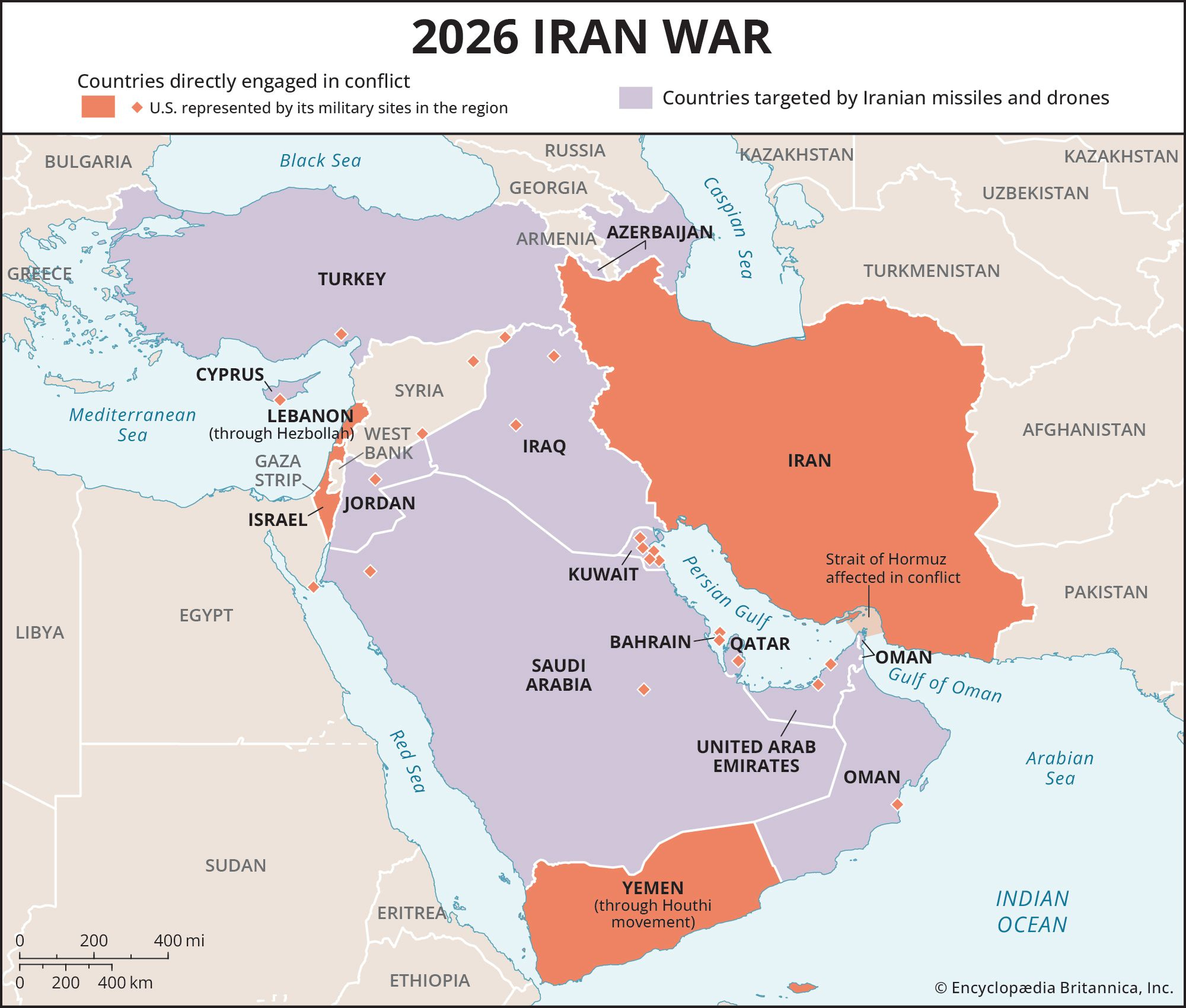
Modern Pressure Vectors
Economic sanctions
Diplomatic isolation
Information warfare
Internal societal strain
Outcome (Ongoing)
No territorial loss
But increasing economic and social compression
SECTION III — THE FALSE DIAGNOSIS
On Erath, populations often reach for the simplest explanation:
“Religion destroyed the system.”
But the Archive shows this is structurally inaccurate.
The Qajar system:
Failed without being a religious state
The modern system:
Endures under pressure while being religious
👉 Therefore:
Religion is not the root variable.
It is a component within the system—not the system itself.
SECTION IV — THE TRUE PATTERN (THE RECURRING STATE MODEL)
Across Erath, a recurring cycle emerges:
PHASE 1 — CONSOLIDATION
Power centralizes under a unifying authority
PHASE 2 — RIGIDITY
The system begins to resist adaptation
PHASE 3 — PRESSURE
External forces apply economic, military, or political strain
PHASE 4 — DISTORTION
Internal decision-making prioritizes preservation over evolution
PHASE 5 — EXTRACTION
The cost is paid:
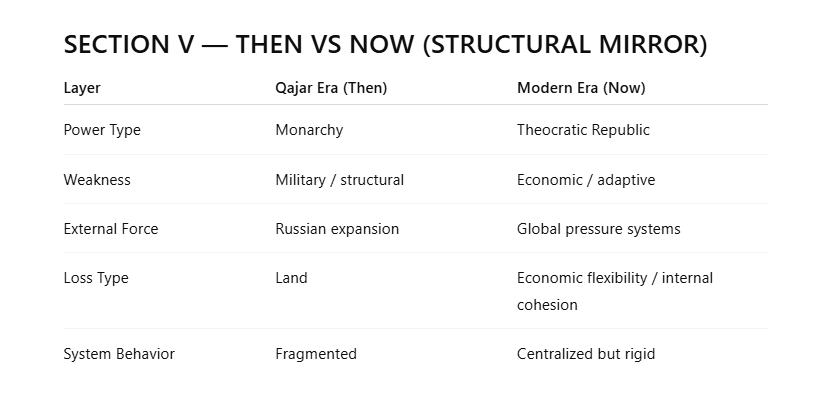
Territory (then)
Economy / stability (now)
Or eventual systemic transformation (future)
ANNEX A — THE MISUNDERSTOOD VARIABLE: IDEOLOGY
Ideology—religious or otherwise—becomes dangerous only when it replaces adaptability.
On Erath, systems fall not because of belief, but because:
Belief becomes unquestionable
Strategy becomes secondary
Reality becomes filtered
ANNEX B — THE INVISIBLE COST
The Qajar system paid in land.
The modern system pays in time, pressure, and compression.
But both share one constant:
The cost is never immediate.
It accumulates—until it cannot be ignored.
ANNEX C — THE ERATH WARNING
The Archive records a consistent warning across civilizations:
A system does not collapse when it is attacked.
It collapses when it cannot adapt to the attack.
FINAL TRANSMISSION — THE REAL REPEAT
History is not repeating because Iran is the same.
It is repeating because systems under pressure behave the same.
Different rulers
Different ideologies
Same structural tension
👉 The pattern is not religious.
👉 The pattern is systemic rigidity under external pressure.
🩸 CLOSING LINE — ARCHIVE ENTRY
On the planet Erath, the greatest illusion is believing that the cause of collapse is visible.
The Archive shows otherwise.
It is not what the system believes.
It is what the system refuses to change.
🔄The Recurring State:
Systemic Rigidity and the Iranian Pattern
This text presents a geopolitical structural analysis that identifies a recurring cycle of systemic rigidity within the Iranian state across different historical eras.
By comparing the Qajar dynasty to the current theocratic republic, the source argues that the primary cause of national decline is an inability to adapt to external pressure rather than specific religious or political ideologies.
While the ancient system suffered territorial loss, the modern era experiences economic and social compression as the cost of maintaining an inflexible power structure.
Ultimately, the archive warns that systems collapse when self-preservation takes precedence over necessary evolution, leading to an inevitable extraction of costs.
The narrative concludes that history repeats because of these universal patterns of power rather than the specific beliefs of those in command.


