


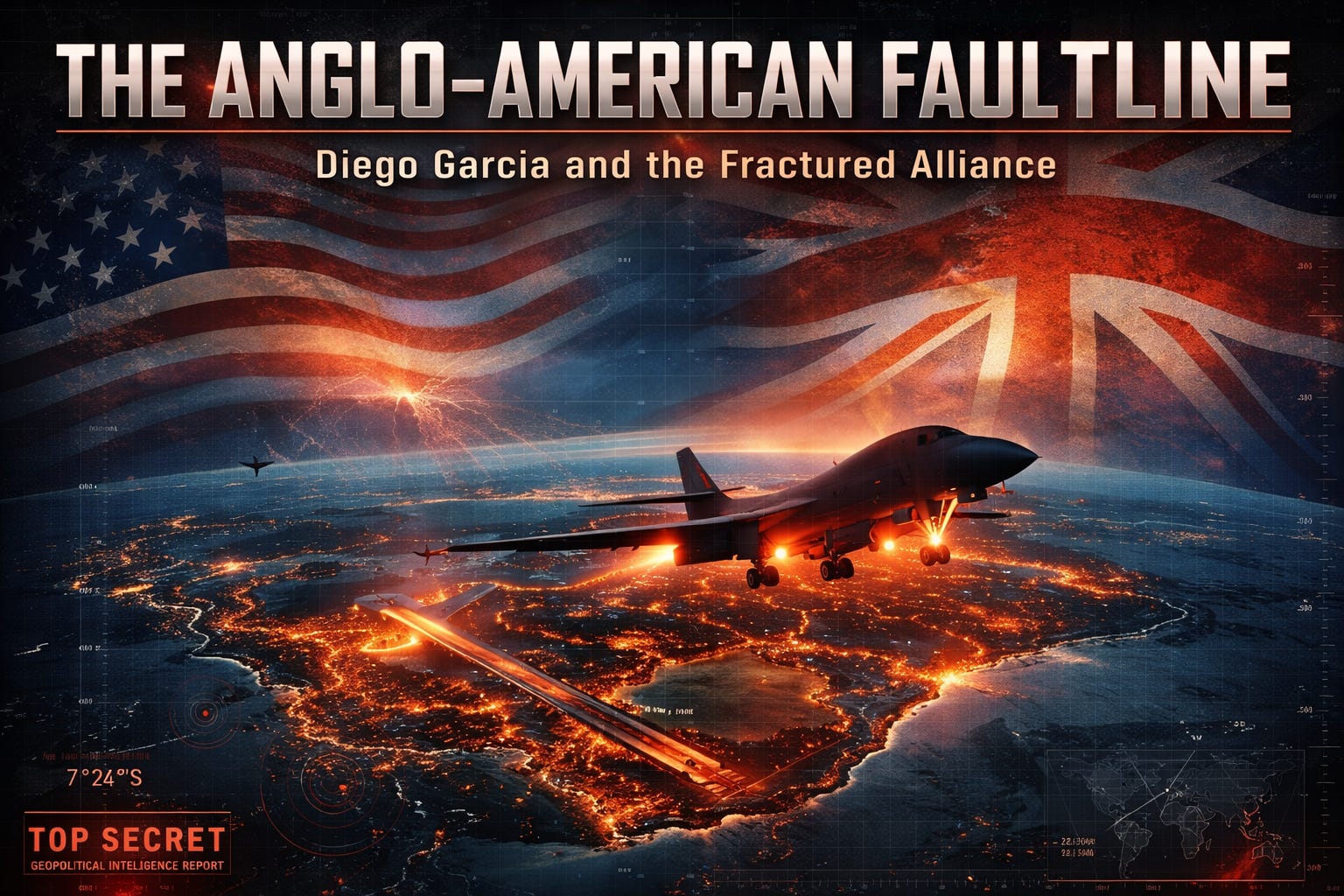
🩸 RED BLOOD JOURNAL TRANSMISSION
Division: Geo-Strategic Power Architecture Unit
Transmission Code: RBJ-GSPAU-2026-ANGLO-AMERICAN-FAULTLINE
Classification: Strategic Rivalry Analysis
Archive: The Archive of Blood & Memory
THE ANGLO–AMERICAN FAULTLINE
Diego Garcia, the Iran War, and the Quiet Strategic Rivalry
PROLOGUE — THE ALLIANCE THAT RULED THE OCEANS
For more than a century, the United States and the United Kingdom have been described as possessing a “special relationship.”
Together they:
dominated the Atlantic alliance
shaped NATO
projected naval power across the globe
coordinated intelligence through the Five Eyes network
Yet alliances are not the same as identical interests.
History shows that when global power shifts, even close allies begin to compete quietly for strategic influence.
The escalation of military operations against Iran in 2026 exposed a subtle but important fault line within the Western alliance.
At the center of this tension lies a small coral atoll in the Indian Ocean.
Diego Garcia.
I — THE STRAINED ALLIANCE
Recent military operations against Iran revealed disagreements between Washington and London over:
the timing of strikes
legal justifications for attacks
the use of British-controlled military bases
Reports indicate that the United States launched major operations with limited consultation with European allies, including the UK.
At the same time, the British government initially refused permission for the United States to launch attacks on Iran from British bases, including Diego Garcia and RAF Fairford.
The disagreement triggered visible political friction.
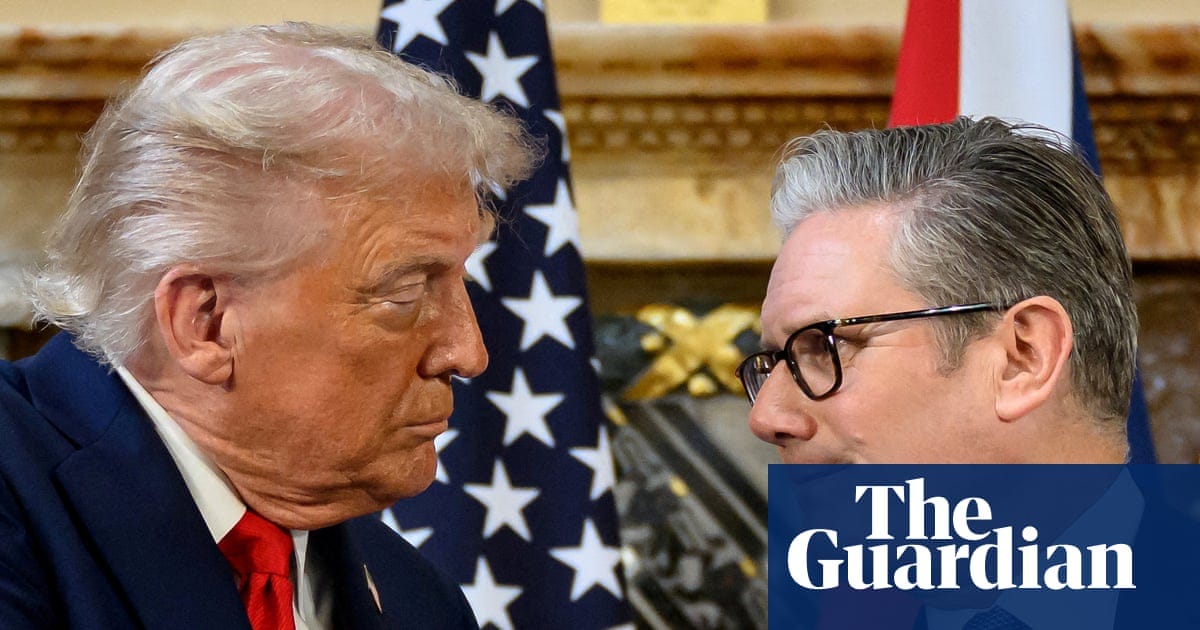

US did not share details with the UK before attacking Iran, sources say
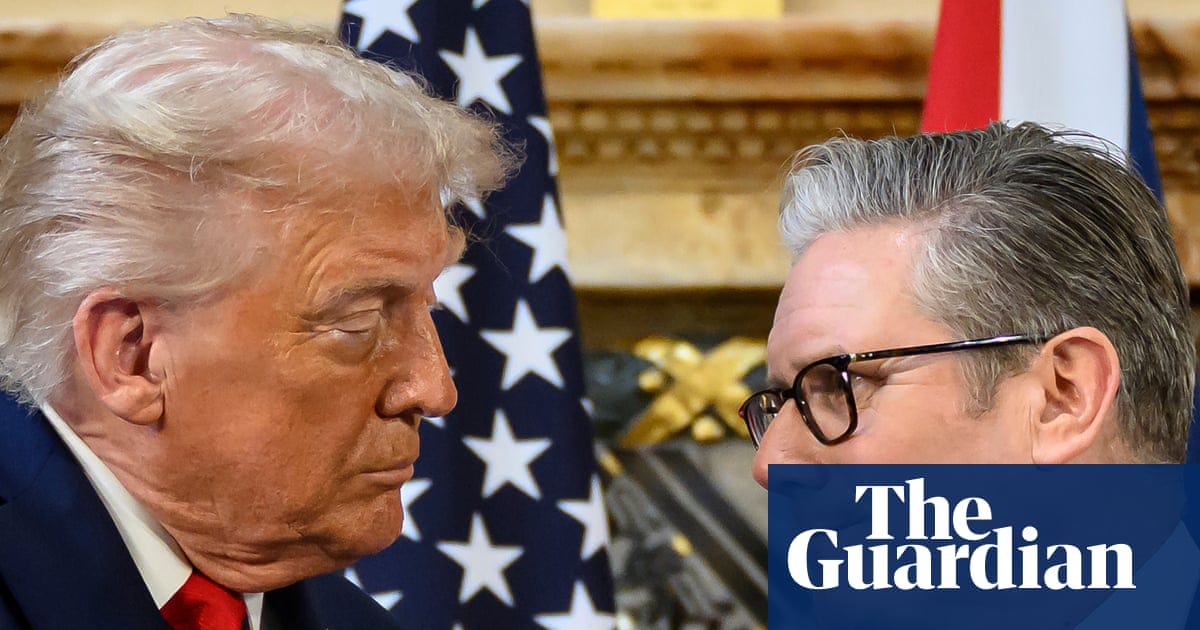
Trump tells Starmer help not needed even as US uses UK bases for Iran strikes


Hegseth: Attacks on Iran About to ‘Surge Dramatically’

US bombers take off from UK base on ‘most intense’ day of Iran war
Some key developments included:
The U.S. reportedly did not share full operational details with Britain before launching strikes on Iran.
British leadership initially blocked the use of bases for offensive operations.
American officials expressed frustration with the delay in access to allied bases.
Public criticism emerged between leaders of the two countries over the handling of the crisis.
While cooperation eventually resumed, the episode revealed that the alliance was no longer perfectly synchronized.
II — DIEGO GARCIA: THE ISLAND THAT CONTROLS AN OCEAN
Diego Garcia sits in the Chagos Archipelago, roughly halfway between Africa and Indonesia.
At first glance it appears to be a remote tropical island.
In reality, it is one of the most important military installations on Earth.
The base serves as a joint US–UK military facility that enables long-range operations across multiple regions.
From this single location, military forces can project power toward:
the Persian Gulf
the Middle East
East Africa
South Asia
the Indian Ocean sea lanes
The installation contains:
massive fuel depots
bomber runways capable of hosting heavy strategic aircraft
naval support facilities
pre-positioned military equipment
Two extremely long runways allow the base to operate heavy bombers and long-range surveillance aircraft.
Because of its geographic isolation, Diego Garcia is also highly secure.
There are no nearby population centers, making it ideal for large-scale air operations.
III — THE CHAGOS CONTROVERSY
The strategic significance of Diego Garcia has recently been complicated by political developments.
In 2025 the United Kingdom agreed to transfer sovereignty of the Chagos Islands to Mauritius, while leasing Diego Garcia back for military use for nearly a century.
This arrangement triggered criticism from some American officials.
The concern was simple:
If the legal status of the island changed, future access for U.S. forces could become uncertain.
President Trump publicly criticized the agreement, warning that weakening control of the base could damage Western security.
Thus the Iran war emerged at a moment when the legal and political status of the base was already under debate.
IV — MILITARY LOGISTICS AND GLOBAL REACH
Why does Diego Garcia matter so much?
Because modern war depends on logistics.
Without forward bases, long-range operations become dramatically more difficult.
Diego Garcia provides three key advantages.
1 — Strategic Bombing Range
Heavy bombers operating from the island can reach targets across the Middle East without relying on vulnerable regional bases.
This allows operations even if regional allies refuse access.
2 — Maritime Control
The base sits near the major sea lanes connecting:
the Persian Gulf
the Indian Ocean
the Strait of Malacca
This location enables monitoring of global oil traffic.
3 — Pre-Positioned Equipment
Large stockpiles of military equipment stored on ships and depots allow rapid deployment of forces to crisis zones.
In effect, Diego Garcia acts as a floating arsenal for the Indo-Middle Eastern theatre.
V — RESTRICTIONS AND POLITICAL LIMITS
Despite its military importance, Diego Garcia cannot be used entirely at Washington’s discretion.
The base is located on British sovereign territory, which means:
the United States requires political consent for certain operations
British leaders can impose restrictions
During the early phase of the Iran conflict, Britain limited the base’s use to defensive operations, refusing immediate authorization for offensive strikes.
This restriction slowed operational planning and contributed to tensions between the two governments.
From Washington’s perspective, military efficiency requires maximum operational freedom.
From London’s perspective, participation in offensive war carries:
political risks
legal scrutiny
diplomatic consequences.
VI — A SHIFT IN THE WESTERN ALLIANCE
The disagreement over Diego Garcia reveals a broader shift in Western geopolitics.
For decades the United States acted as the undisputed leader of the alliance.
But Europe increasingly seeks:
independent strategic autonomy
greater control over military involvement
distance from unilateral American operations.
The Iran conflict highlighted this divide.
European governments were often surprised by the speed of American action, demonstrating limited coordination within the alliance.
Even close allies may hesitate when conflicts escalate rapidly.
VII — THE GEOPOLITICAL IMPLICATION
The tension does not necessarily mean the alliance is collapsing.
The United States and the United Kingdom still share:
intelligence systems
military command integration
nuclear deterrence coordination.
However, the events surrounding the Iran war show that the special relationship now operates with friction rather than automatic alignment.
Strategic interests remain shared.
Political decisions, however, are increasingly independent.
FINAL ANALYSIS — THE ISLAND THAT REVEALS THE CRACK
Diego Garcia is more than a military base.
It is a mirror reflecting the evolution of Western power.
For decades it symbolized unity between Washington and London.
Now it also reveals the limits of that unity.
The island remains a critical node in global military logistics.
But the political debate surrounding its use shows something deeper:
Even the closest alliances must negotiate power.
And when wars begin, those negotiations become visible to the world.
⚓The Anglo-American Faultline:
Diego Garcia and the Iran War
This analysis explores the strategic friction between the United States and the United Kingdom regarding the use of Diego Garcia during a 2026 military conflict with Iran.
While the two nations have long shared a “special relationship,” the text reveals how operational disagreements and diplomatic delays over base access have exposed significant cracks in their alliance.
The island serves as a vital geopolitical hub for projecting power across the Indian Ocean, yet its legal sovereignty and shifting political status under British control create logistical hurdles for American interests.
Ultimately, the sources suggest that strategic autonomy is becoming a priority for European allies, leading to a more transactional partnership.
This shift highlights that even the most integrated military networks are subject to the independent political wills of the nations that host them.


