


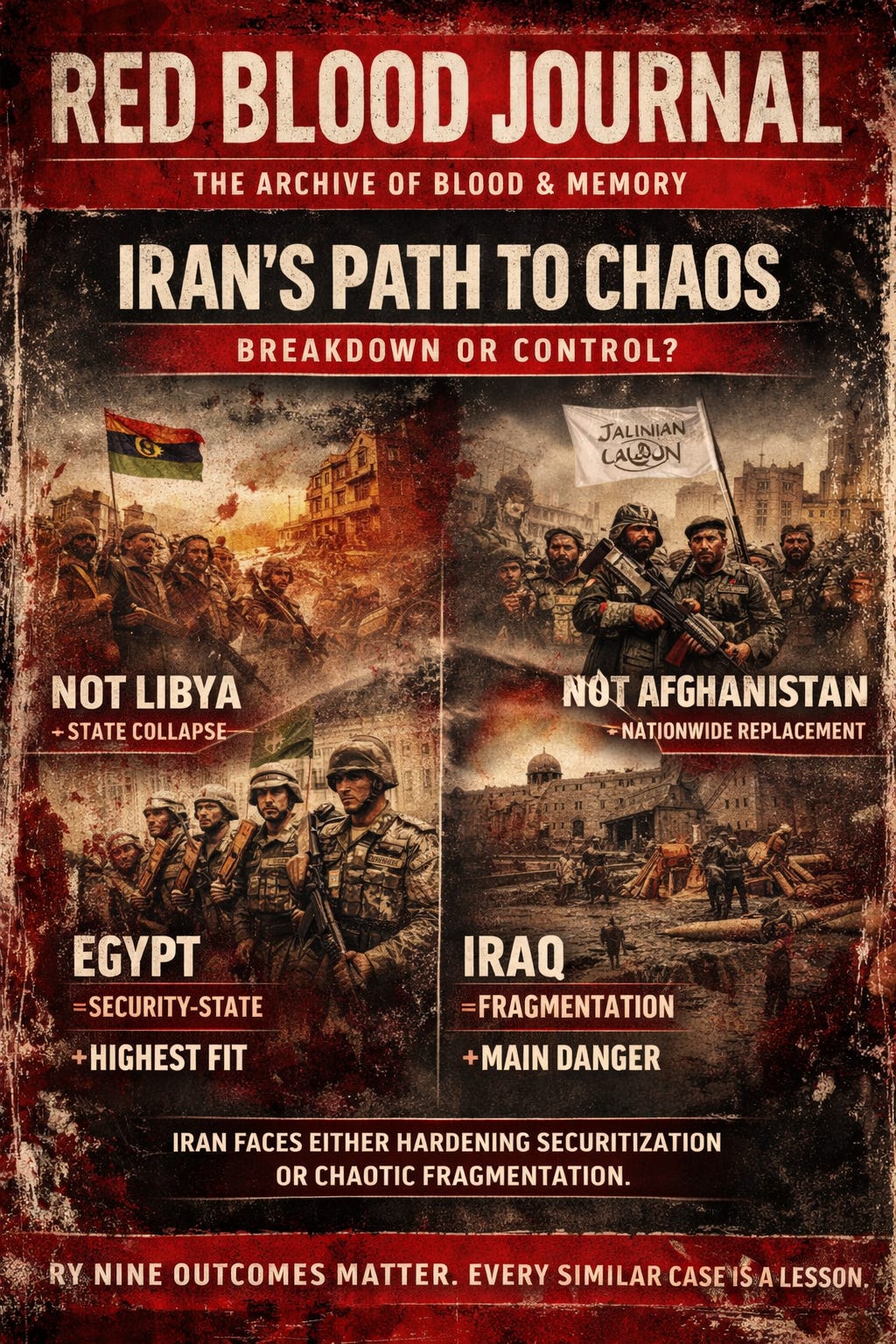
🩸 RED BLOOD JOURNAL TRANSMISSION
Archive: The Archive of Blood & Memory
Transmission Code: RBJ-2026-COLLAPSE-MODEL-IRAN-1015
Classification: Regime Transition Probability Matrix
Desk: Strategic Foresight & Pattern Recognition Unit
Status: Active Transmission
PROLOGUE — THE ARCHITECTURE OF PREDICTION
On Planet Erath, the future is never guessed.
It is patterned.
The Archive does not ask: “What will happen?”
It asks: “What has already happened… and under what conditions?”
Four collapsed or transformed states remain in permanent record:
Iraq
Libya
Egypt
Afghanistan
Each represents not just history—
but a pathway.
The question is not whether Iran will change.
The question is: which pathway it will follow.
SECTION I — THE FALSE MIRRORS
4
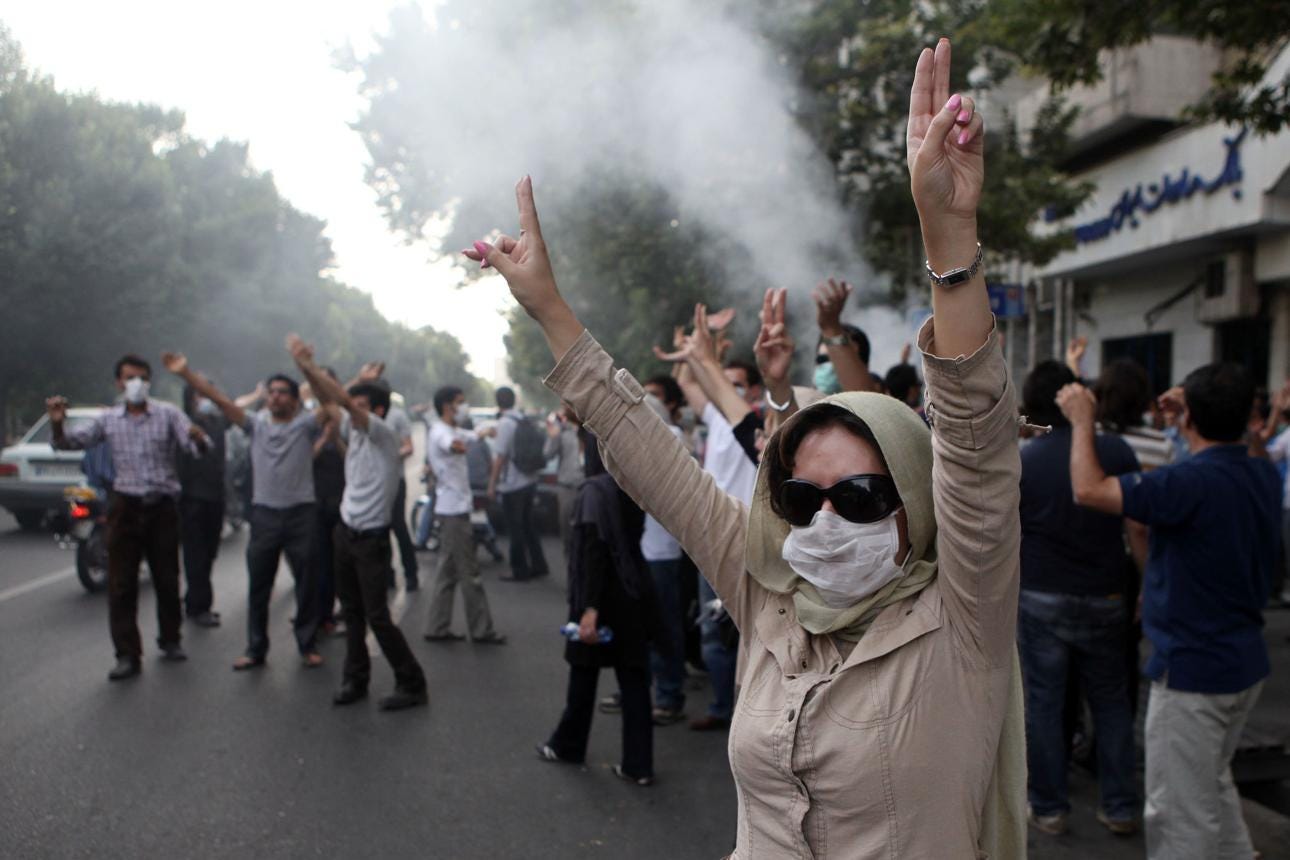
At first glance, all collapses appear similar:
protests, instability, power struggle.
But the Archive separates illusion from structure.
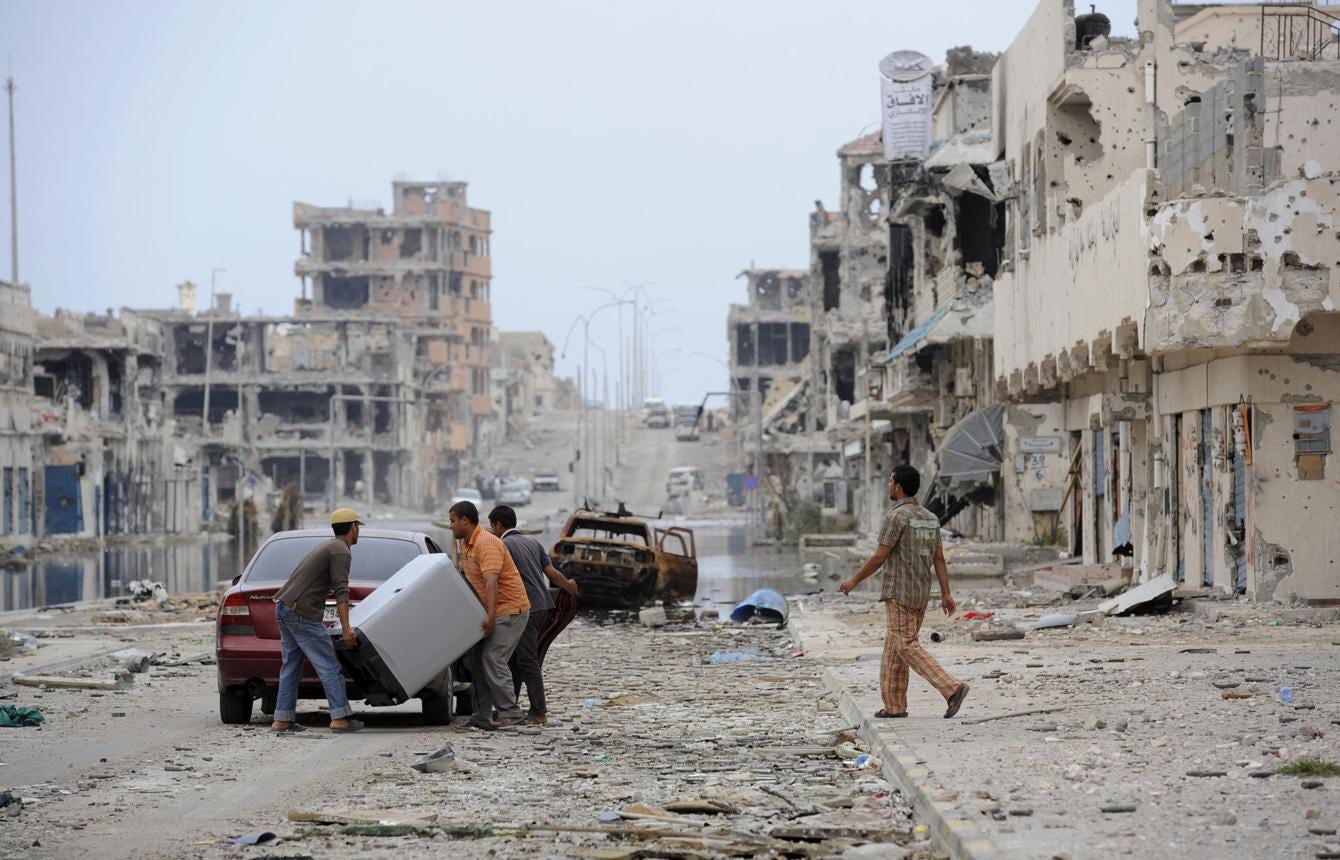
LIBYA — THE SHATTERED STATE
Central authority collapses
Armed factions multiply
No single power dominates
Verdict:
Possible only if the entire system breaks beyond repair
→ Low probability (for now)
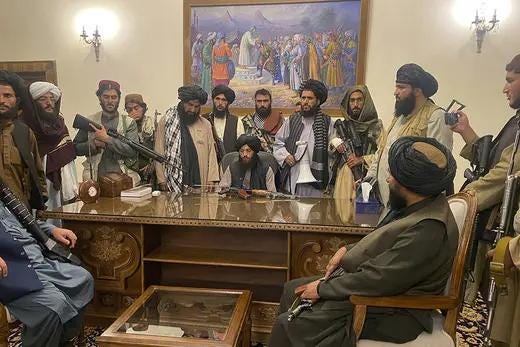
AFGHANISTAN — THE REPLACEMENT MODEL
One force collapses
Another unified force takes control
Verdict:
Requires a single, organized alternative power
→ Iran shows no such unified replacement force
SECTION II — THE CORE COMPARISON
5
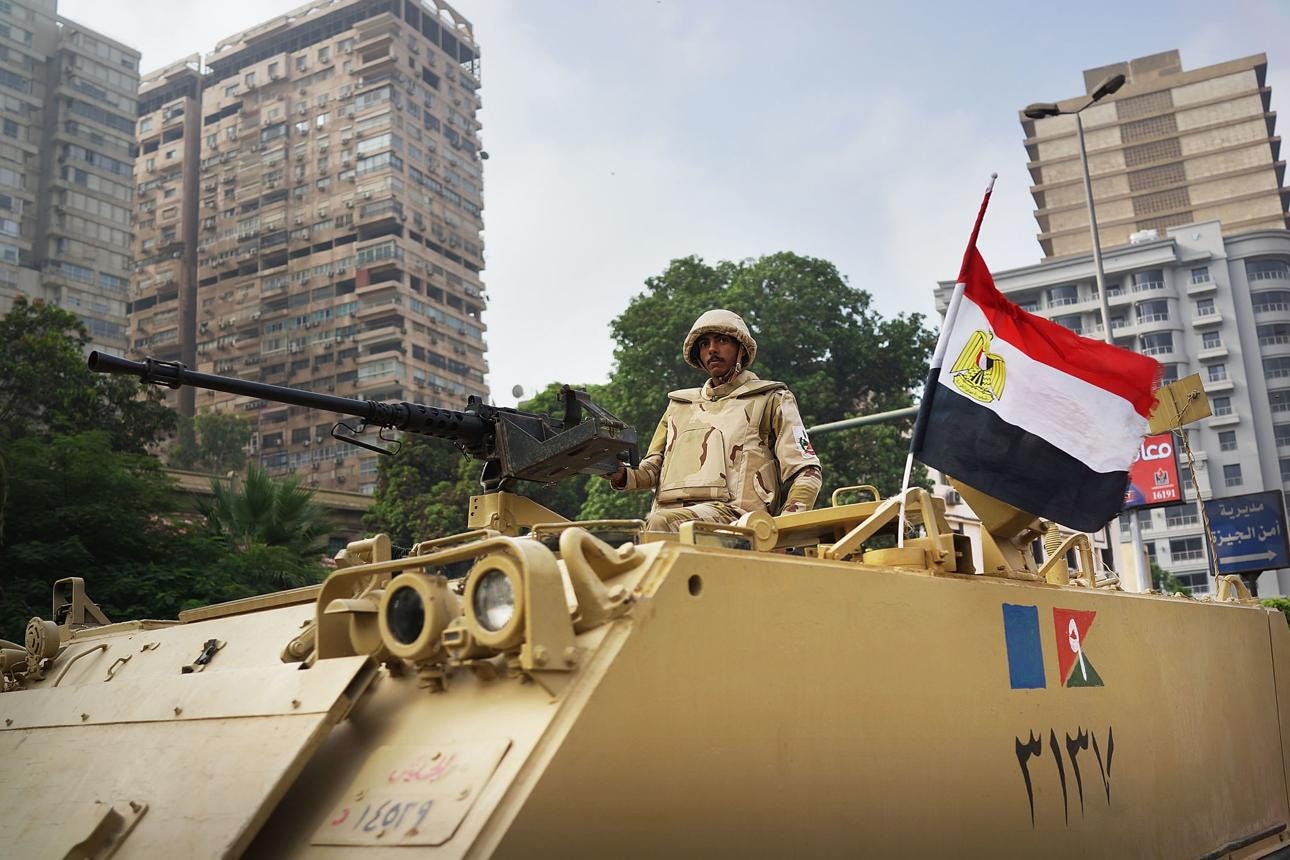
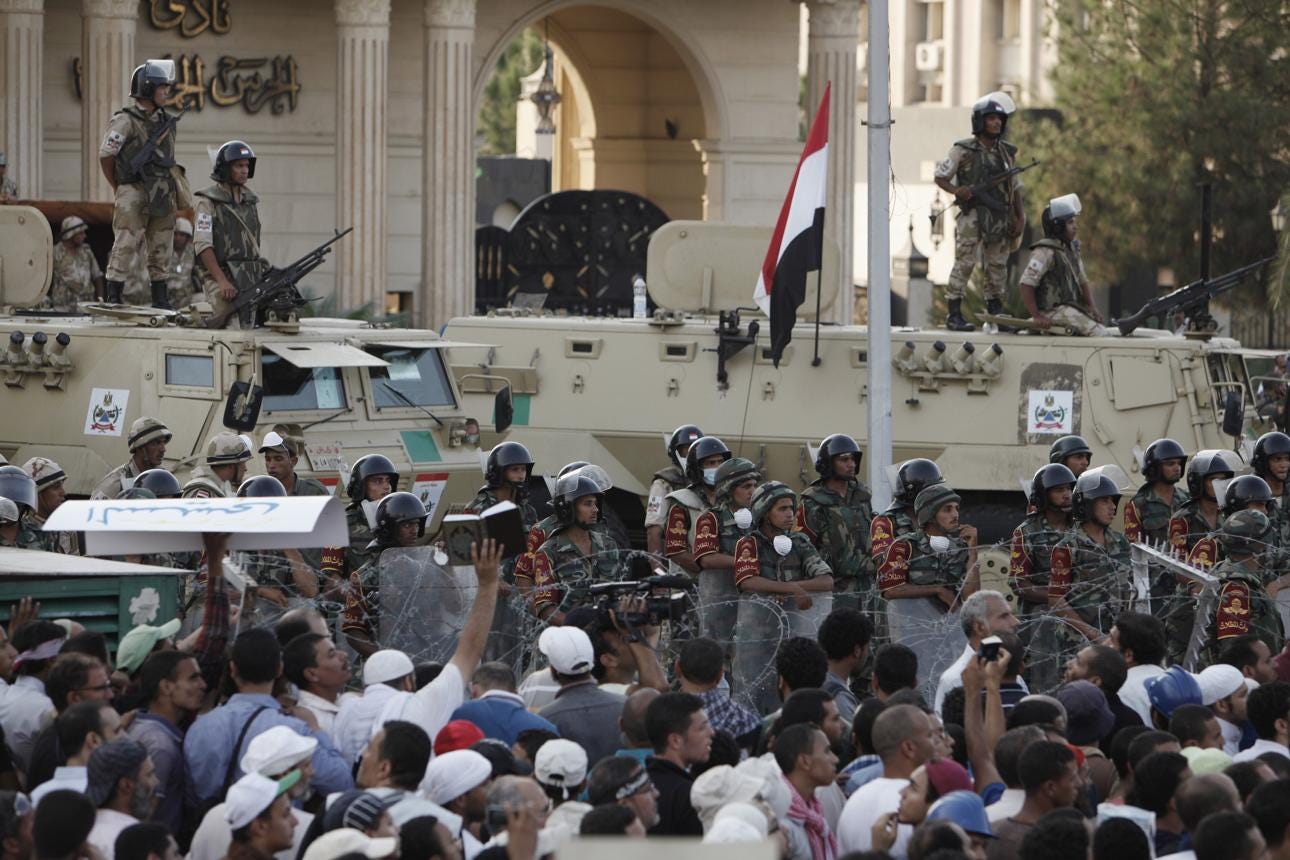
EGYPT — THE SURVIVAL STATE
Egypt represents something far more subtle than collapse:
The system bends… but does not break.
Leadership changes
Structure remains
Security apparatus tightens control
This is the closest structural match to Iran.
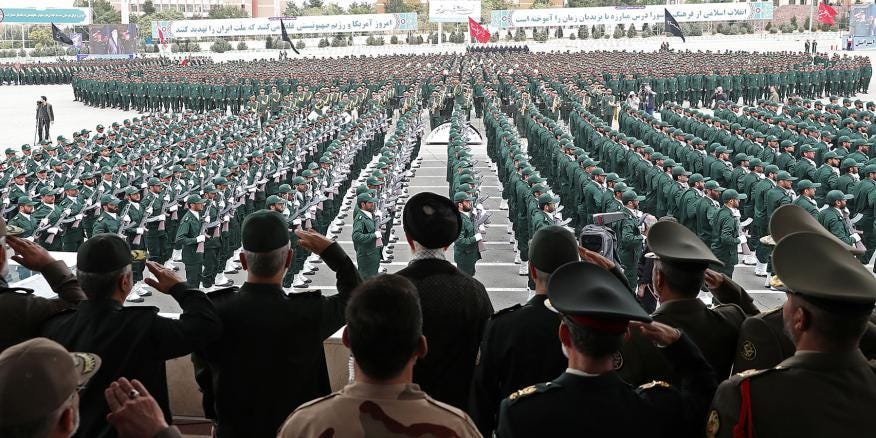
At the center of Iran’s architecture lies:
Islamic Revolutionary Guard Corps
Not just a military—
but a state within the state:
Economic
Political
Operational
This creates continuity under pressure.
Verdict:
→ Highest probability pathway
SECTION III — THE WARNING PATH
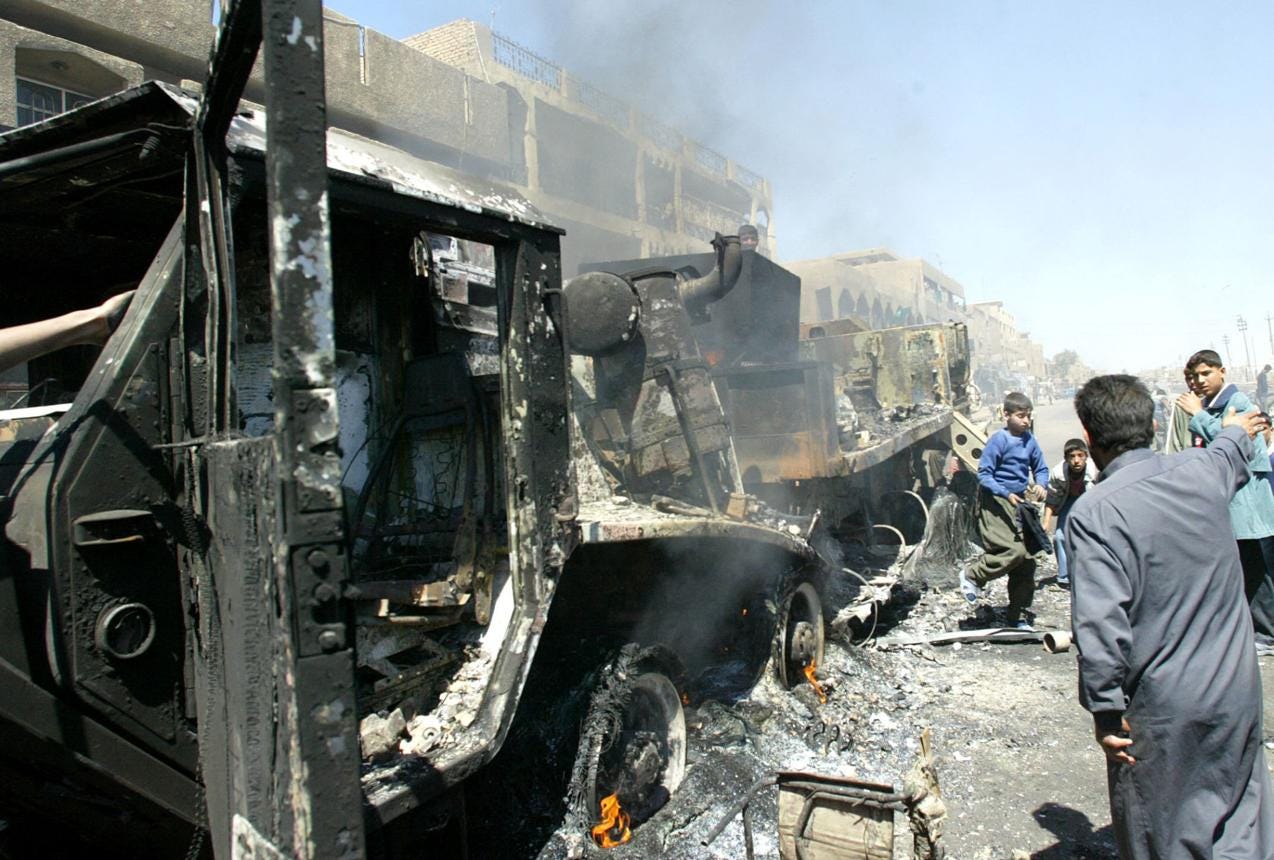
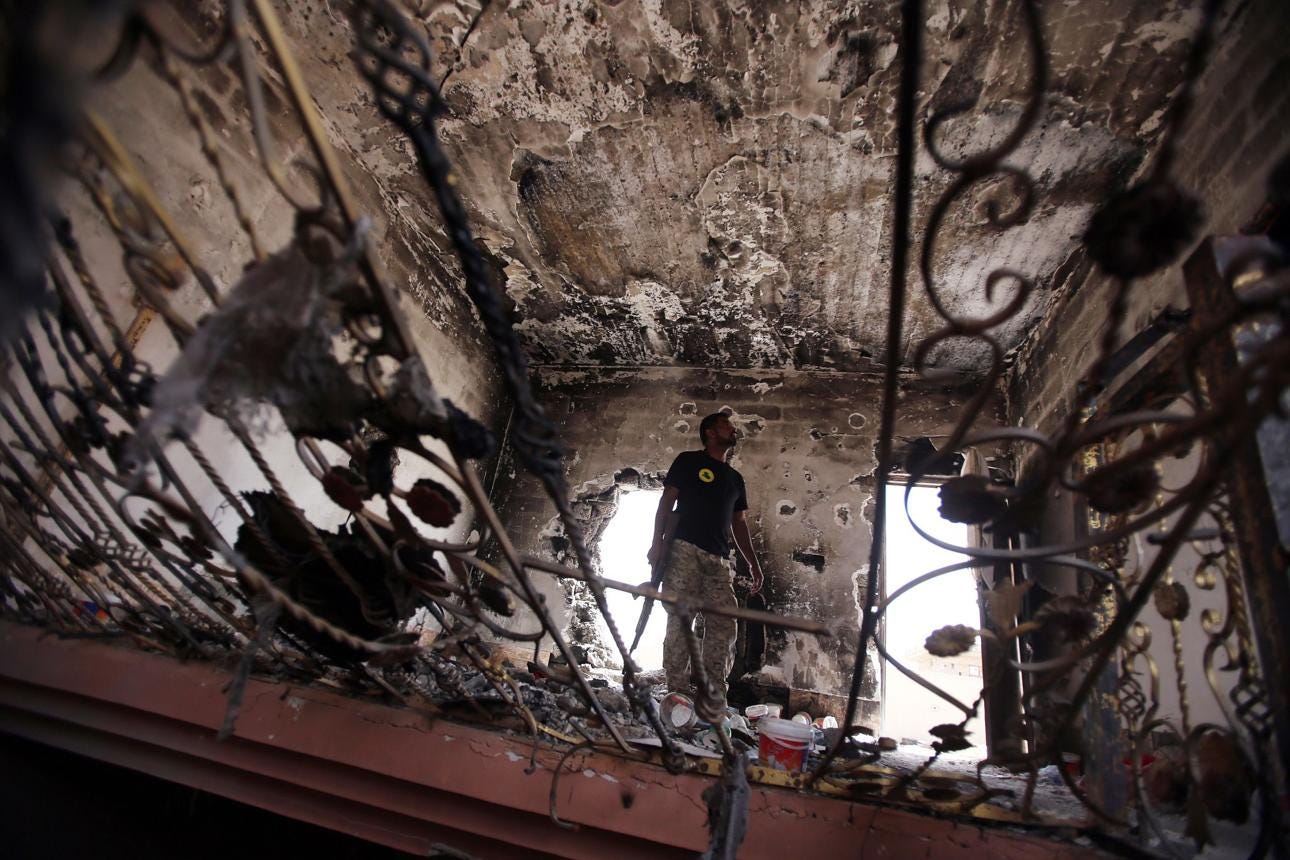
IRAQ — THE FRACTURED STATE
7
Iraq is not a model of transition.
It is a model of uncontrolled breakdown.
Central authority weakens
External actors intervene
Internal factions compete
Stability disappears for years
This is not the expected path—
but it is the danger path.
If Iran’s core fractures:
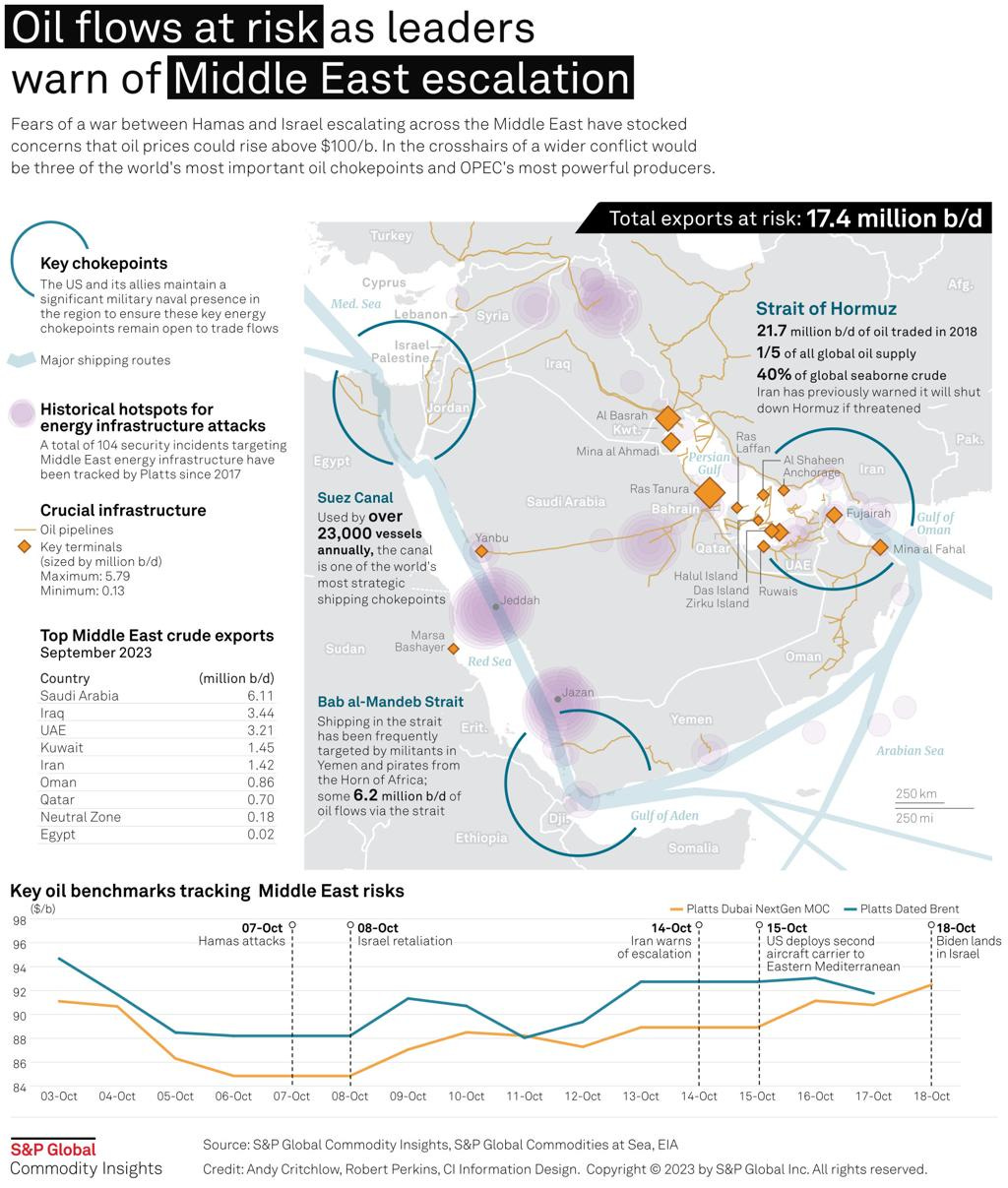
Regional powers move in
Proxy networks activate
Internal divisions escalate
Verdict:
→ Secondary probability, high consequence
SECTION IV — THE CURRENT SIGNAL
Recent signals across Erath indicate:
The system is damaged, but intact
Leadership remains in control
No evidence of system-wide collapse
No unified opposition capable of takeover
This points to a single conclusion:
The structure is absorbing pressure—not surrendering to it.
Which aligns with:
Egypt’s security consolidation model
Not Libya’s collapse
Not Afghanistan’s replacement
SECTION VI — READ BETWEEN THE LINES
The public narrative often promises:
Reform
Transition
Stability
But the Archive records a different law:
Systems do not dissolve—they reconfigure.
Iran is not positioned for a clean transition.
It is positioned for adaptation under pressure.
ANNEX A — THE COLLAPSE TRIGGER
For Iran to move from Egypt → Iraq pathway, three fractures must occur:
Security apparatus splits
Elite cohesion collapses
External pressure overwhelms internal control
Without these, fragmentation does not activate.
ANNEX B — THE STRATEGIC TRUTH
The comparison to Egypt is not optimism.
It is structural realism.
The comparison to Iraq is not prediction.
It is warning.
FINAL TRANSMISSION — THE FORKED FUTURE
Iran does not stand at four equal paths.
It stands at a fork:
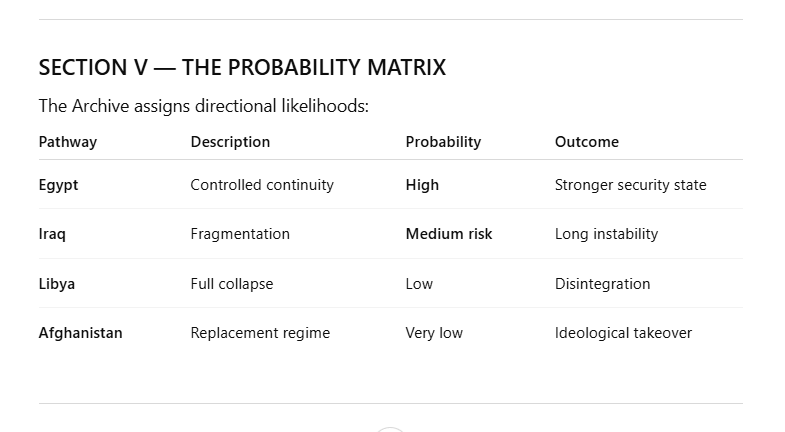
Path One: Egypt → survive, consolidate, harden
Path Two: Iraq → fracture, compete, destabilize
Everything else is noise.
On Planet Erath, the future is never random.
It follows the strongest surviving structure.
End of Transmission
📉The Iran Transition Probability Matrix: Models of Systemic Adaptation
Apr 14, 2026
The Red Blood Journal utilizes a comparative framework to analyze the potential political transformation of Iran by examining historical patterns from other nations.
The text identifies Egypt as the most likely model for Iran’s future, suggesting that the Islamic Revolutionary Guard Corps will ensure the regime adapts and hardens its security rather than collapsing entirely.
While a total breakdown similar to Libya or a complete replacement like in Afghanistan is deemed improbable, the report warns that Iraq serves as a secondary danger path characterized by internal fragmentation and foreign intervention.
Ultimately, the analysis posits that the current system is absorbing external pressure and will likely reconfigure itself into a more rigid state.
The document concludes that unless the security apparatus or elite unity fractures, Iran will continue toward controlled continuity rather than a clean democratic transition.


