


🩸 T#1111256 – RED BLOOD TRANSMISSION
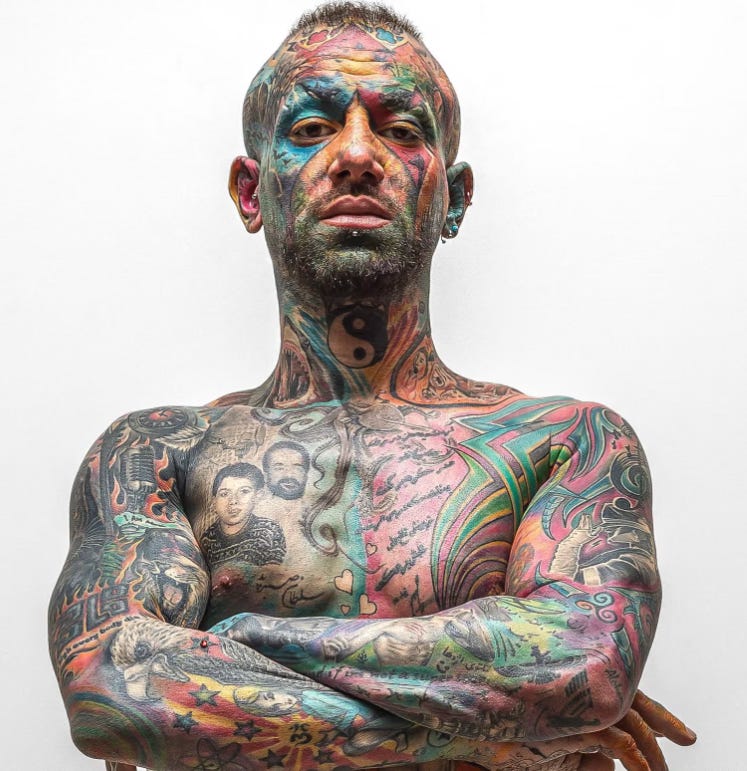
Case File: The Trial and Turmoil of Amir “Tataloo” Maghsoudloo
Summary:
The Guardian article in question (dated January 19–20, 2025) accurately reported that Iran’s Supreme Court had overturned a previous five-year prison sentence for blasphemy and related charges against Iranian artist Amir Hossein Maghsoudloo (known as Tataloo), replacing it with a death sentence under sabb al-nabi (“insulting the Prophet Muhammad”). At the time, the ruling was not final and open to appeal.
Status Update — November 11, 2025
Since that report, the case has undergone several reversals, appeals, and conflicting judicial statements.
May 2025: Iran’s Supreme Court upheld the death sentence and transferred the case for enforcement—placing Tataloo at imminent risk of execution, according to watchdogs such as Iran Human Rights (IHRNGO).
His legal team submitted dual petitions:
Article 477 — requesting retrial if the verdict contradicts Islamic law.
Article 114 — seeking leniency through proof of repentance.
Widespread public backlash and statements from Iranian celebrities prompted Judiciary Chief Gholam-Hossein Mohseni-Eje’i to order a special review.
Reports from Iran International and IranWire in late May 2025 indicated that the sentence was either overturned or returned to lower courts for re-examination.
However, simultaneous remarks by the Judiciary spokesperson confirmed that the Supreme Court had indeed affirmed the death sentence before subsequent interventions.
Current Condition
As of November 11, 2025, there is no verified evidence that Tataloo has been executed.
He remains in detention, serving additional terms—including a reported 10-year sentence for “promoting prostitution and corruption.”
The blasphemy ruling itself is now in legal limbo, suspended between judicial review, political pressure, and potential appeal routes.
In Iran, sabb al-nabi cases frequently persist for years, cycling through retrials and opportunities for commutation or pardon if the accused is deemed repentant.
Conclusion
The death sentence was real and temporarily upheld, but it is now under review.
As of this writing, Tataloo is alive, and any execution or final judgment would have triggered global coverage.
Until new evidence emerges, his case remains a stark example of how art, religion, and authority collide inside the opaque machinery of Iran’s judiciary.