


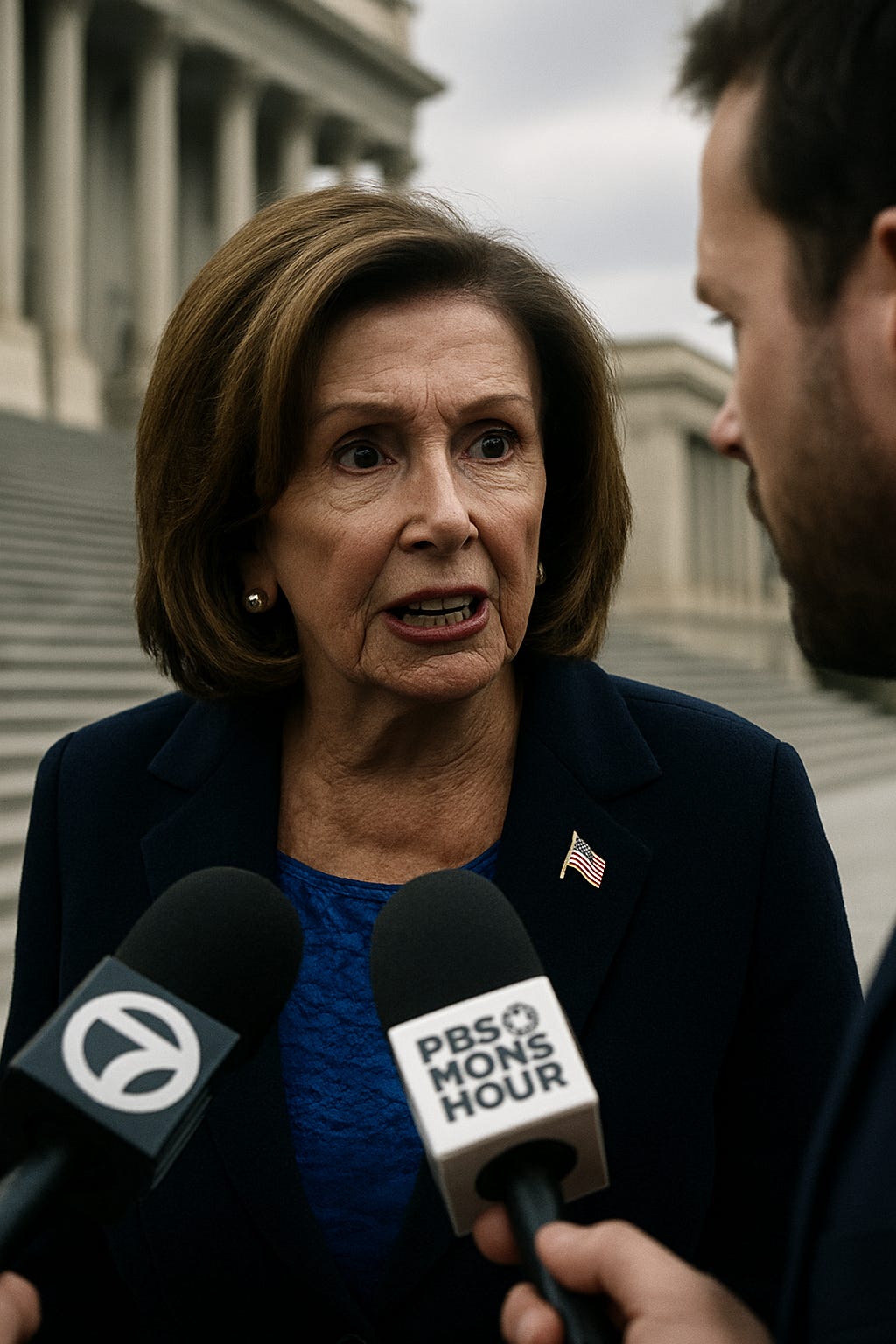
WASHINGTON, D.C. — In a tense, unscripted exchange that has reignited one of the most politically charged debates in recent memory, former House Speaker Nancy Pelosi bristled when pressed about her role in security decisions leading up to the January 6th Capitol riot.
The confrontation, captured on camera outside a congressional event, began when a reporter asked whether the newly formed January 6th oversight committee might hold her liable for security lapses on that day.
“Congresswoman Pelosi, are you at all concerned that the new January 6th committee will find you liable for that day?” the journalist asked.
“Are you at all concerned about the new January 6th committee finding you liable for that day?”
Pelosi, visibly irritated, shot back:
“Shut up. I did not refuse the National Guard. The president didn’t send it.”
When the reporter attempted to follow up, Pelosi cut him off again, accusing him of repeating partisan rhetoric.
“Why are you coming here with Republican talking points as if you’re a serious journalist?”
The exchange, though brief, underscored a simmering question that continues to haunt Washington nearly four years after the Capitol attack: Who ultimately bears responsibility for the security breakdown that allowed the riot to happen?
The Liability Question
The latest tension comes as a new bipartisan subcommittee—informally dubbed “January 6th II”—has reopened portions of the investigation that critics say were politically filtered in earlier hearings. Among their aims: revisiting whether congressional leadership, including Pelosi and then–Senate Majority Leader Mitch McConnell, played a role in delaying or denying requests for National Guard assistance before the riot.
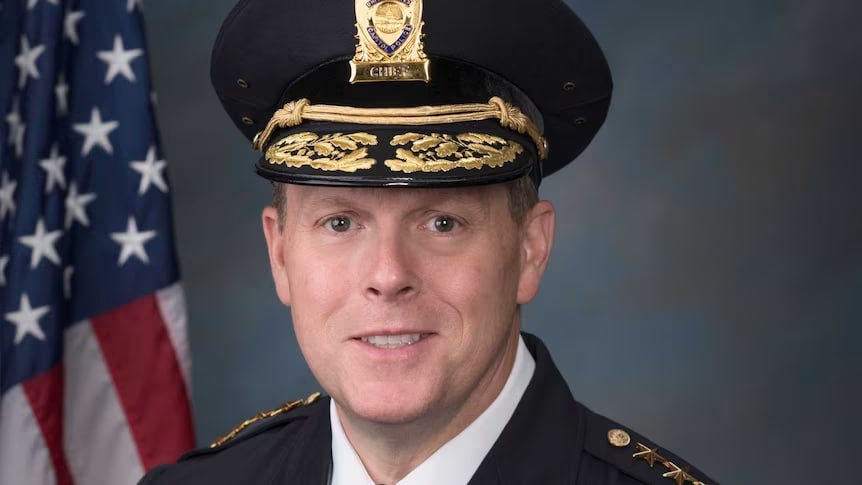
Former Capitol Police Chief Steven Sund, in multiple testimonies—including his explosive remarks before Congress earlier this year—has maintained that his January 3rd, 2021, request for National Guard support was denied by the House and Senate Sergeants-at-Arms, allegedly due to concerns over “political optics.”
At that time, both Sergeants-at-Arms reported directly to congressional leadership, meaning Pelosi and McConnell.
“I requested the National Guard three days before January 6th,” Sund told lawmakers. “That request was denied—because of optics.”
While Pelosi has consistently denied personal involvement in that denial, her recent outburst suggests the issue remains a political sore spot—one that could once again put her leadership under scrutiny.
Pelosi’s Defense: “The President Didn’t Send It”
Pelosi’s retort—“The president didn’t send it”—appears to place the blame squarely on then-President Donald Trump, who indeed failed to promptly deploy the D.C. National Guard once the riot began.
Trump’s own delay in authorizing deployment has been well-documented, but critics argue that Pelosi’s framing overlooks her own institution’s failures to prepare for the threat that day.
Former members of the first January 6th Select Committee, established under Pelosi’s leadership in 2021, largely focused on Trump’s actions and intent, rather than Congress’s internal command structure or security decision-making process.
That omission—deliberate or not—has fueled ongoing skepticism among law enforcement veterans and some lawmakers who argue that key elements of the day’s failures remain unexamined or politically inconvenient.
Revisiting the Chain of Command
Under federal law at the time of the riot, the Capitol Police Chief could not unilaterally summon federal forces such as the National Guard. That authority rested with the Capitol Police Board, composed of the House and Senate Sergeants-at-Arms and the Architect of the Capitol—each under the oversight of congressional leadership.
When Sund requested Guard support on January 3rd, he was told it would be “bad optics” to have troops around the Capitol during a politically sensitive certification of the presidential election.
On the day of the riot, Sund made 32 calls for assistance—including 11 to the House Sergeant-at-Arms—but did not receive National Guard approval until 71 minutes after the first violent breach.
By that time, hundreds of rioters had already smashed through barricades, injured dozens of officers, and invaded the Senate chamber.
A Political Powder Keg
The confrontation between Pelosi and the reporter comes at a delicate time. The new January 6th subcommittee, led by Republican Chairman Barry Loudermilk and Democratic Ranking Member Ritchie Torres, has vowed to examine all aspects of the security and intelligence breakdowns—“without fear or favor.”
Loudermilk, in particular, has signaled an interest in reexamining Pelosi’s communications with the Capitol Police Board and the D.C. National Guard in the days before the attack.
“There are unanswered questions about who made which decisions—and why,” Loudermilk told reporters earlier this month. “The public deserves the full truth, not just the politically convenient version.”
Democrats, however, have accused the new committee of engaging in revisionist politics, arguing that renewed scrutiny of Pelosi’s actions is an attempt to distract from Trump’s culpability.
Public Perception and Political Fallout
Pelosi’s “shut up” exchange may galvanize her critics but could also energize her supporters, who see the line of questioning as bad-faith political theater. Yet for many Americans, the moment reopens legitimate questions about accountability and transparency.
If the former Speaker’s actions—or inaction—helped delay a military response that could have prevented the breach, that would mark one of the most consequential leadership failures in modern congressional history.
Conversely, if her defense holds—that the ultimate authority and delay rested with the Trump White House—then the narrative of responsibility shifts squarely back to the executive branch.
Either way, the tension captured in that brief exchange outside the Capitol reveals a deeper truth: the January 6th story is not finished.
Three years later, Americans are still demanding answers—about what was known, who acted, who hesitated, and why.
And as new investigations reopen old wounds, one thing is certain: Washington’s fight over January 6th is far from over.